Love needs new leaves every summer of life, as much as your elm-tree, and new branches to grow broader and wider, and new flowers to cover the ground.
~ Harriet Beecher Stowe
This week, I’m sharing another video I made as part of a fundraising effort for the Chittenden Asylum Seekers Assistance Network back in April.
This one is about my efforts in learning how to extract fibers from trees. In my case, I had an elm tree branch to work with. But before I get to that, I want to share some of what I learned while researching for this project.
Interesting Facts About Tree Fibers and Their Uses
~ Fibers from trees have been utilized for, at the very least, 52-thousand years.
~ Tree fibers have been extracted for their various uses all over the world. Here are some great examples:
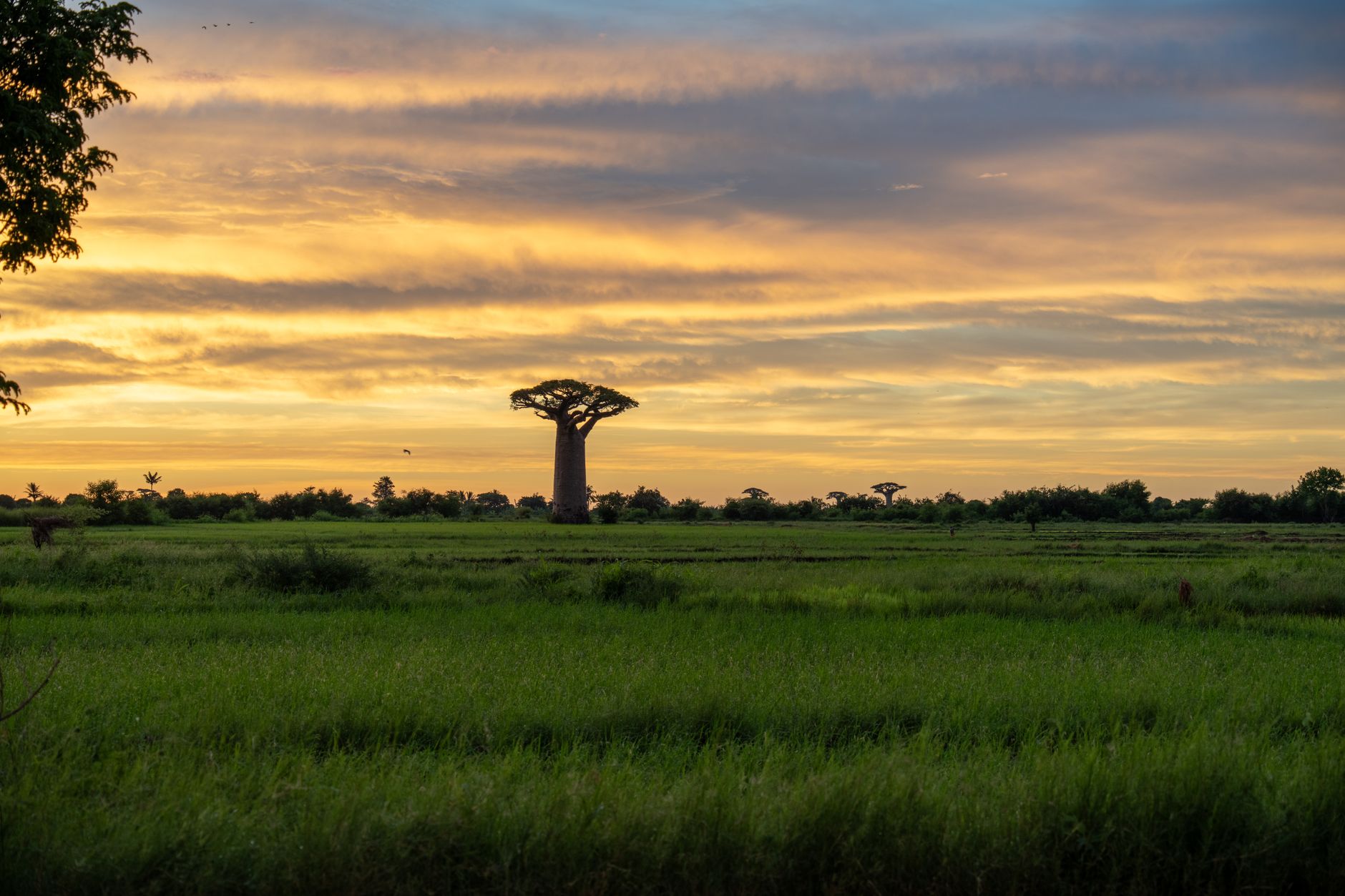
- Baobab tree: this tree can be found throughout sub-Saharan Africa, in Madagascar, Sri Lanka, Australia, and the Caribbean. Bark from this tree has been used to make rope, fishing nets, baskets and mats, and clothing.
- Matuba tree: this tree grows in Uganda and entire sheets of its bark are prepared by artisans and made into clothing.
- Paper Mulberry tree: native to east and southeast Asia. It is used to make paper and bark cloth.
- Tānekaha Tree: this tree’s bark is used to make natural dyes in traditional Asian and Pacific textiles.
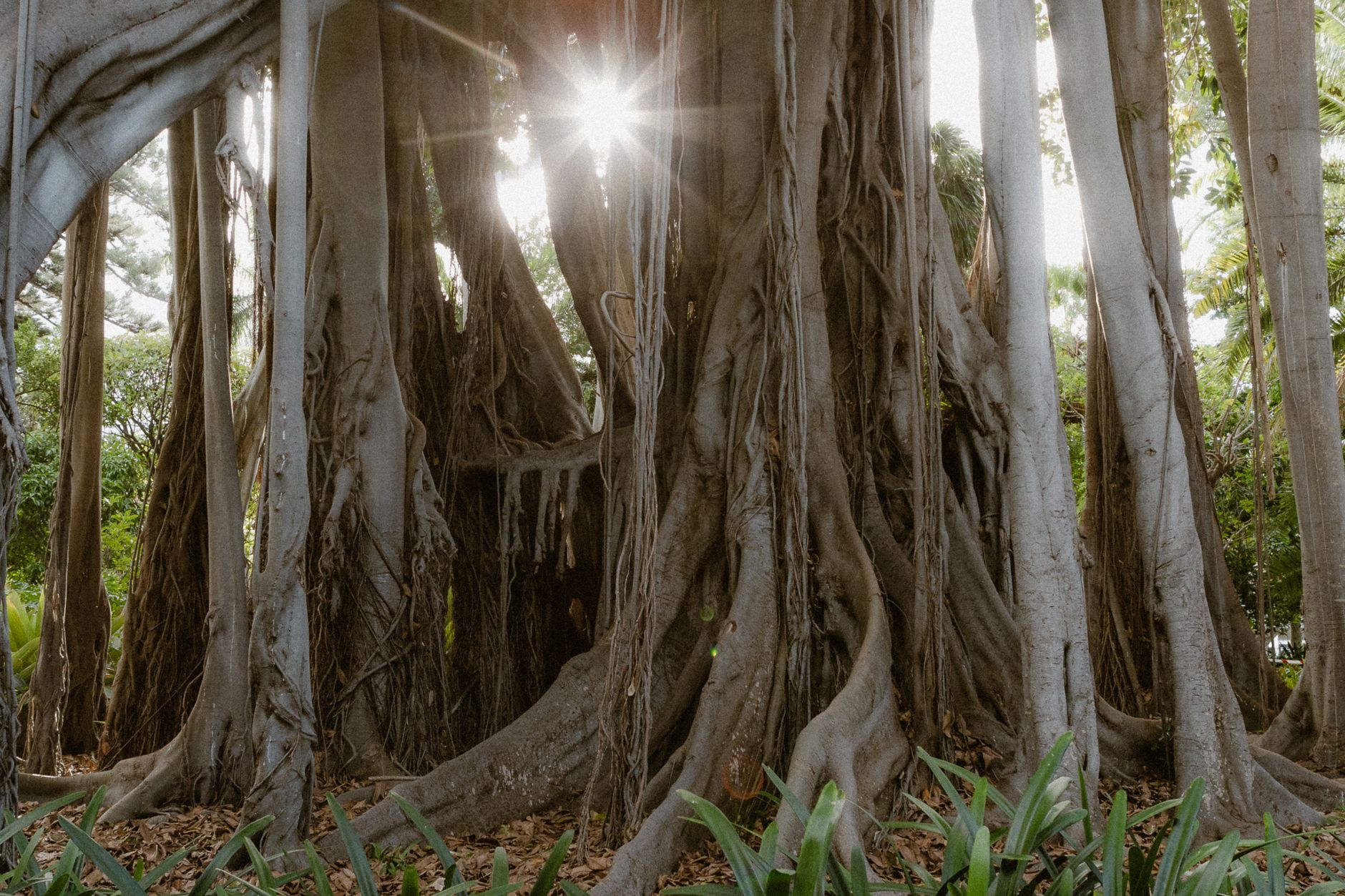
- Fig trees: In Mexico and Central America, bark from these trees are used to make paper and bark clothing. The Xicaque people of Honduras make barkcloth clothing called Tapa.
- Ceiba tree: This tree is sacred to the Maya of Central America for many reasons. Fibers from this tree is known as Kapok and is used for filling and insulation.
- Sapucaia tree: this is a tree that is used by indigenous communities in South America. Llanchama/Yanchama is an unwoven textile extracted from its inner bark and is used to make clothing and functional household tools.
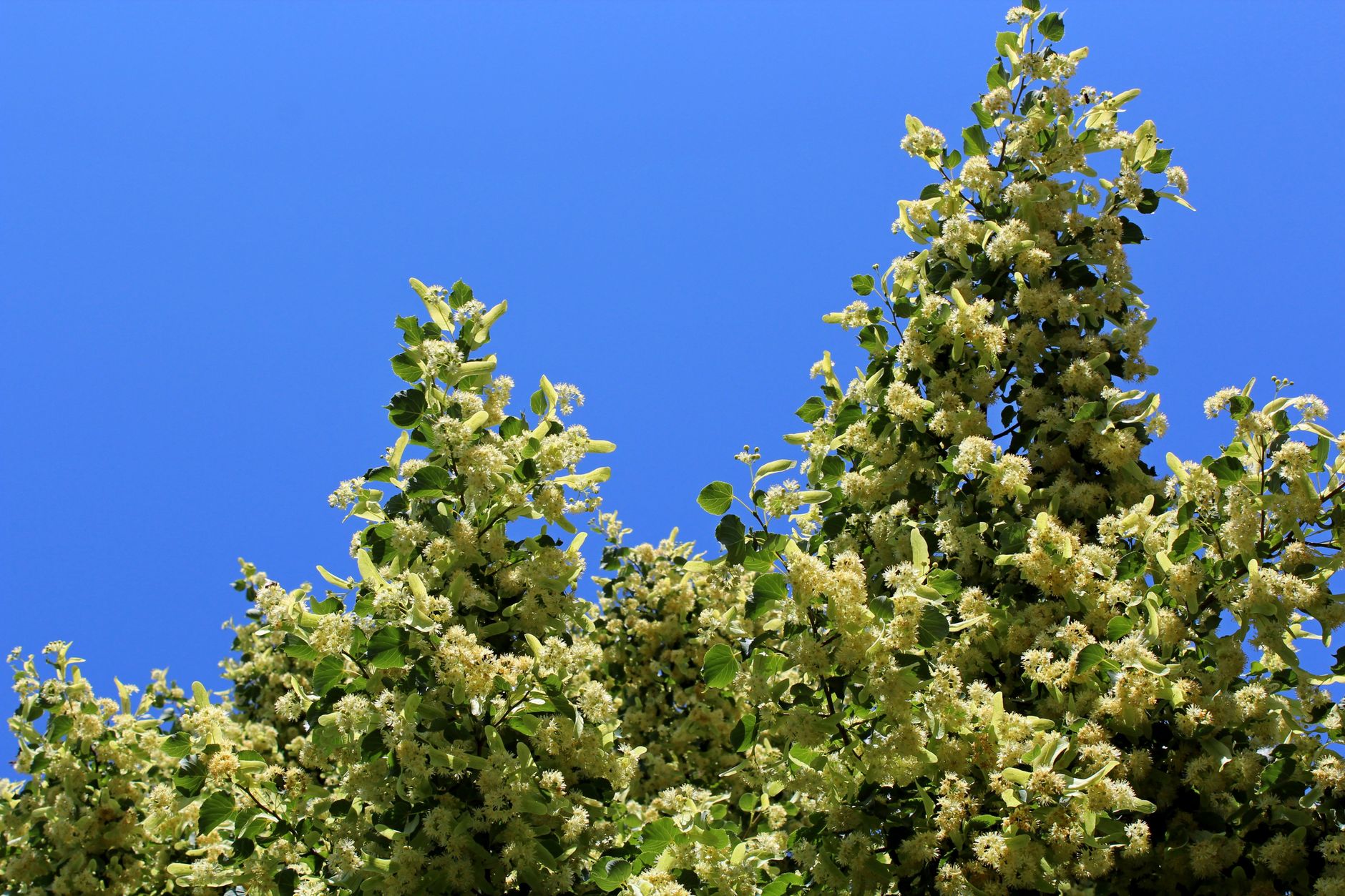
- Linden tree: this is a tree native across most of Europe into Western Asia. The inner bark has historically been used to make strong cordage, nets, and ropes.
- Elm tree: this tree is native to North America and its inner bark is known for making strong cordage.
- In our region of North America, the Abenaki used the Black Ash, Willow, Elm, Spruce, Cedar and Basswood trees for many purposes including making canoes, containers, cordage and rope.
My Process
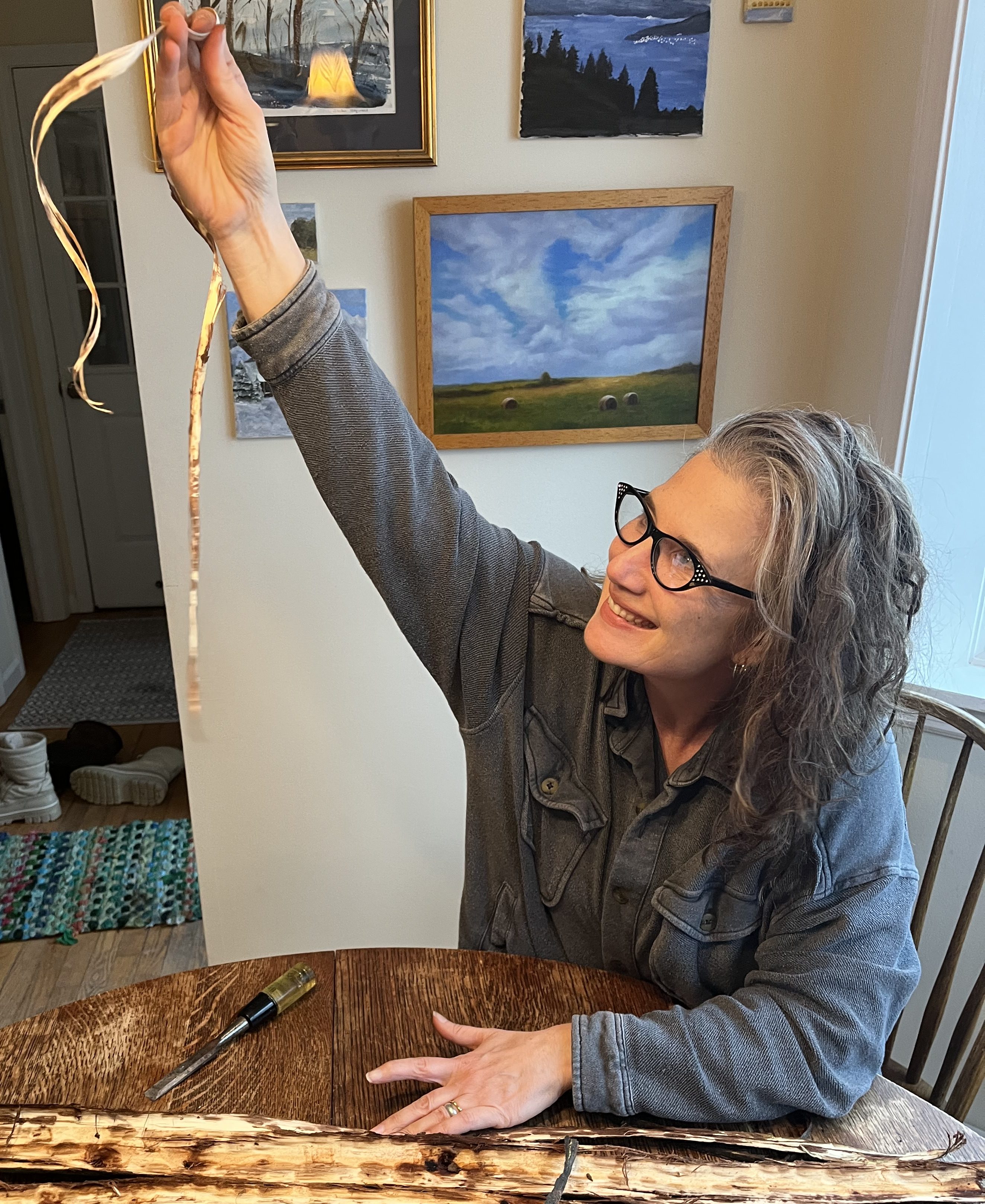
We had to take an elm tree down that had gotten sick. I harvested some branches from the tree to see if I might learn how to extract fibers from the wood. The more I learn about plants and trees, the more I am amazed and in awe of their properties.
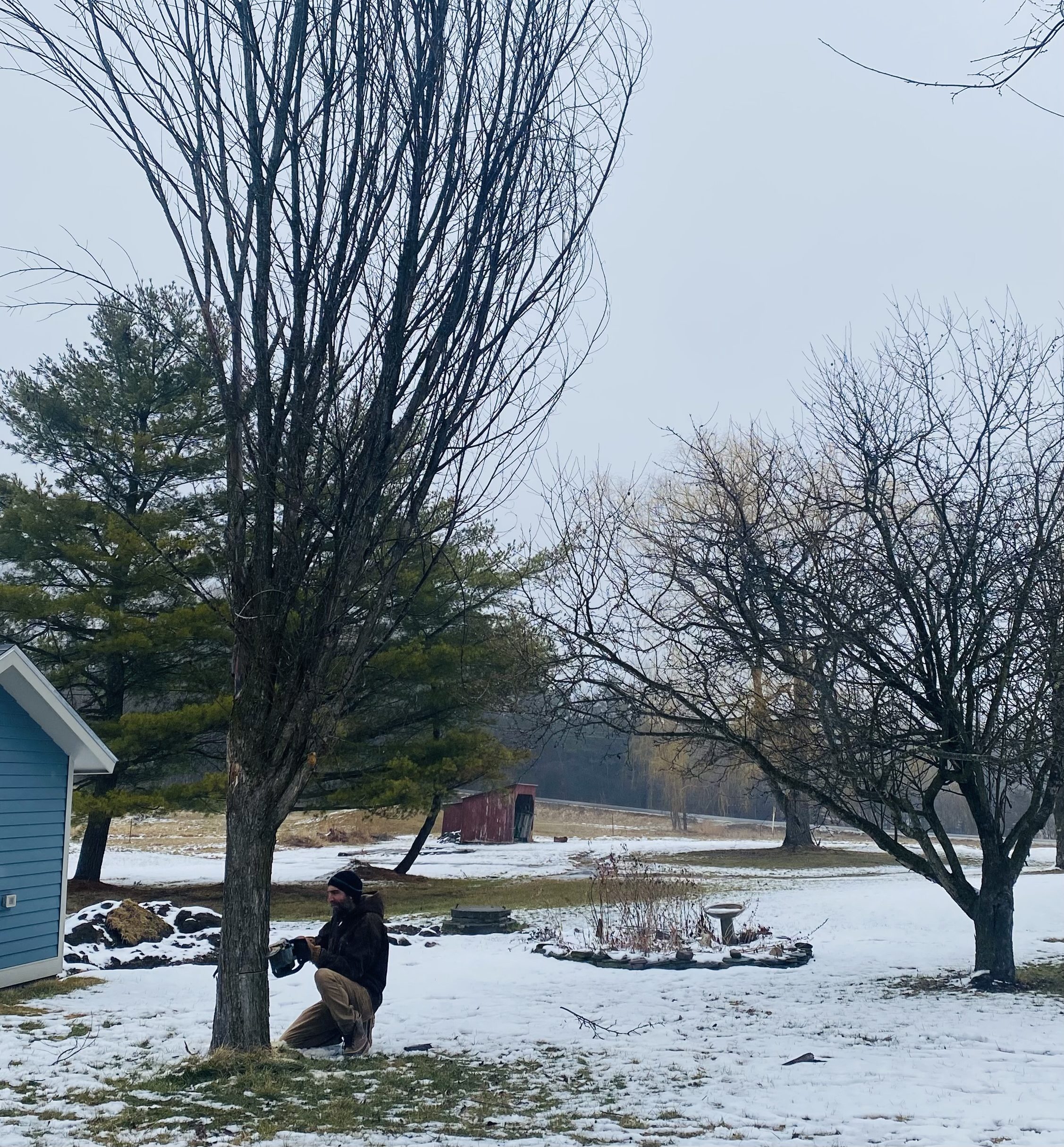
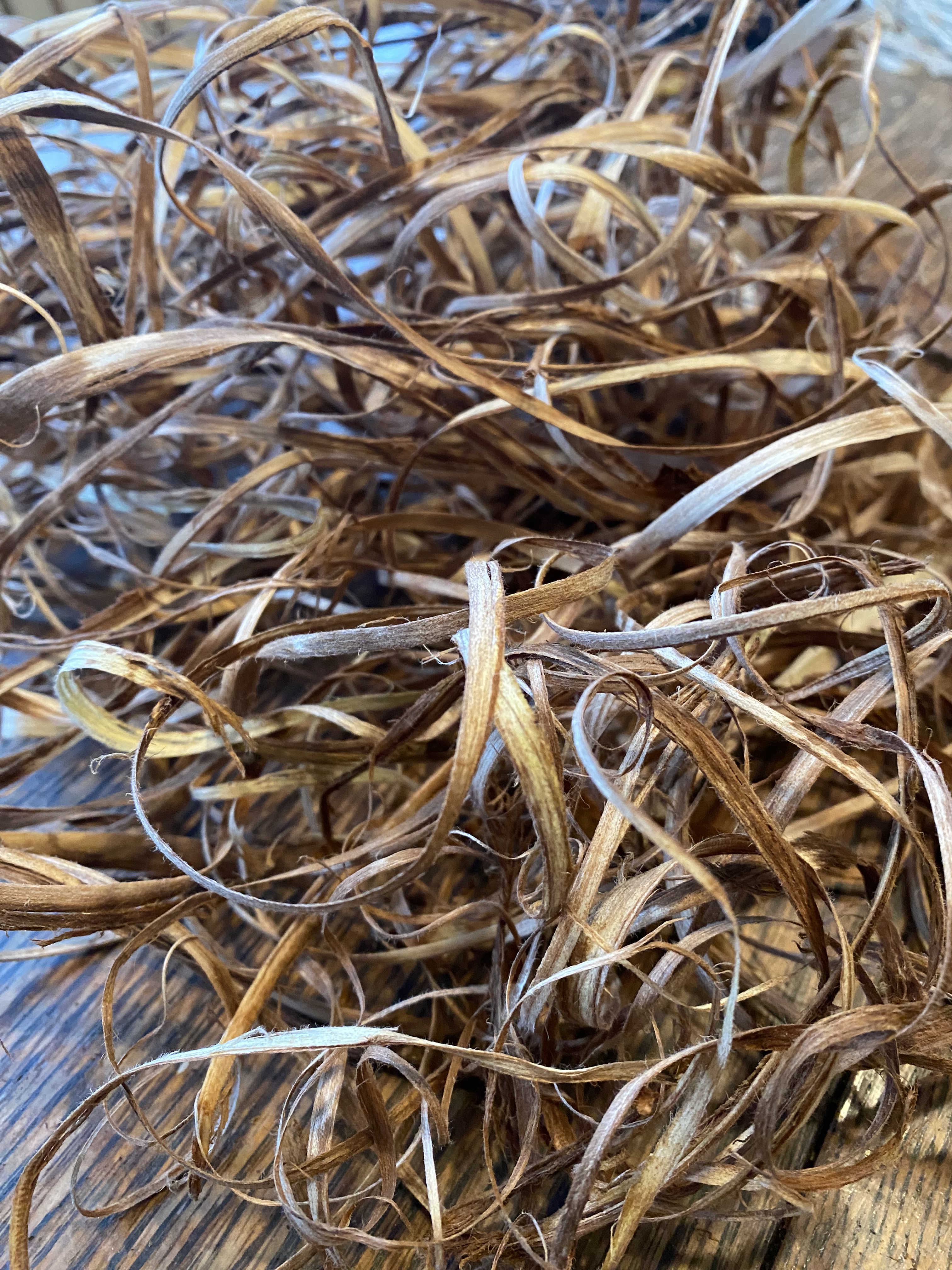
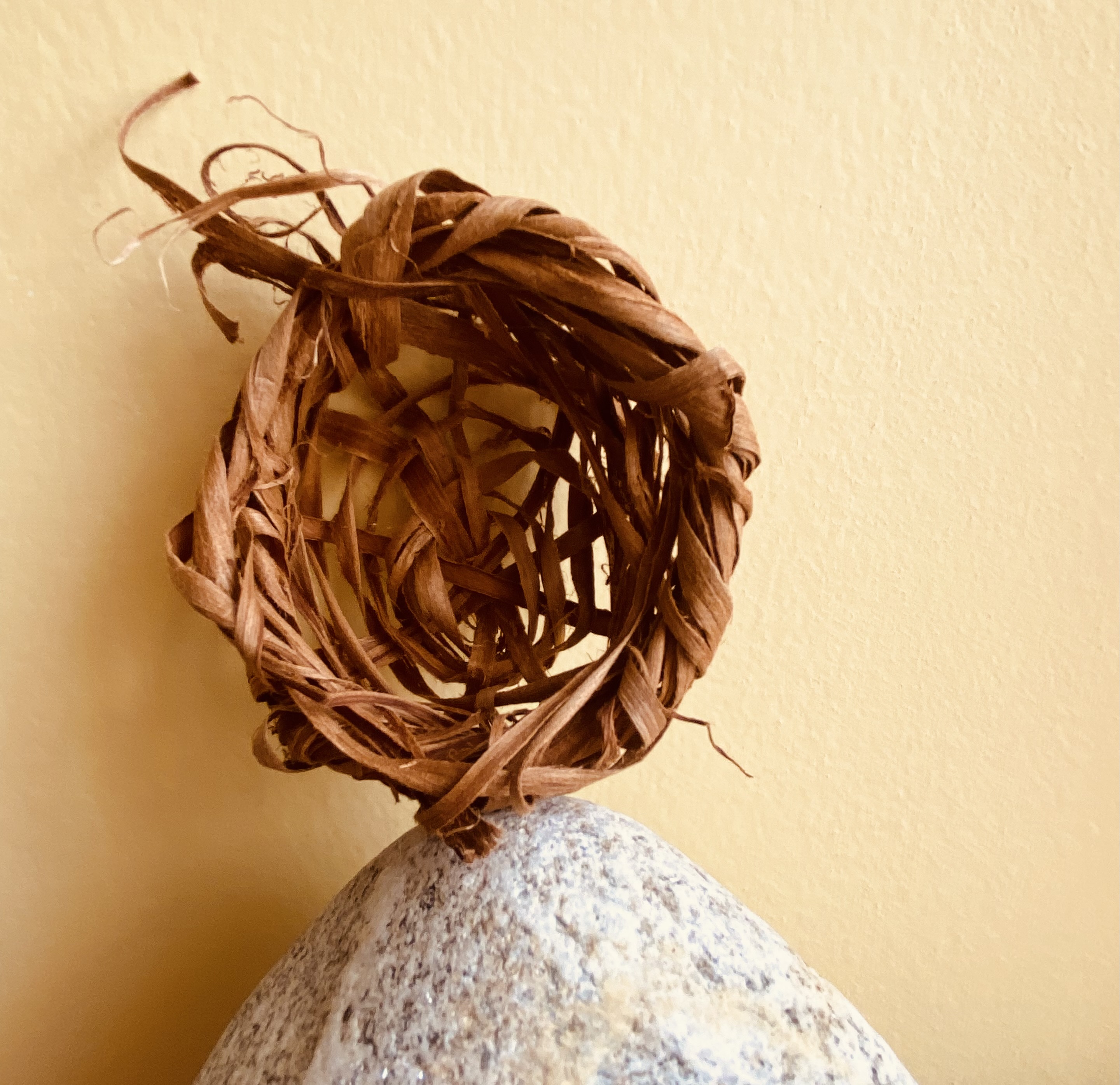
I was doing this in late spring, and it’s still rather cold here in Vermont in March. If I were to do this again, I’d definitely wait for warmer days after the sap runs for a bit longer. I’d also look for a heavy, round piece of metal and roll the bark rather than pound with a mallet. My arthritic hands were not happy. BUT! It was worth it- the beautiful strands of fibers from the elm branch became part of little baskets, and then a Medusa crown I made for a friend’s experimental dance piece.
Here is a link to the video!
Until next time,
Bradie