Healing Handcrafting


Leave a comment

Harvesting Fibers from Trees

Love needs new leaves every summer of life, as much as your elm-tree, and new branches to grow broader and wider, and new flowers to cover the ground.

~ Harriet Beecher Stowe

This week, I’m sharing another video I made as part of a fundraising effort for the Chittenden Asylum Seekers Assistance Network back in April.

This one is about my efforts in learning how to extract fibers from trees. In my case, I had an elm tree branch to work with. But before I get to that, I want to share some of what I learned while researching for this project.

Interesting Facts About Tree Fibers and Their Uses

~ Fibers from trees have been utilized for, at the very least, 52-thousand years.

~ Tree fibers have been extracted for their various uses all over the world. Here are some great examples:

  • Baobab tree: this tree can be found throughout sub-Saharan Africa, in Madagascar, Sri Lanka, Australia, and the Caribbean. Bark from this tree has been used to make rope, fishing nets, baskets and mats, and clothing.
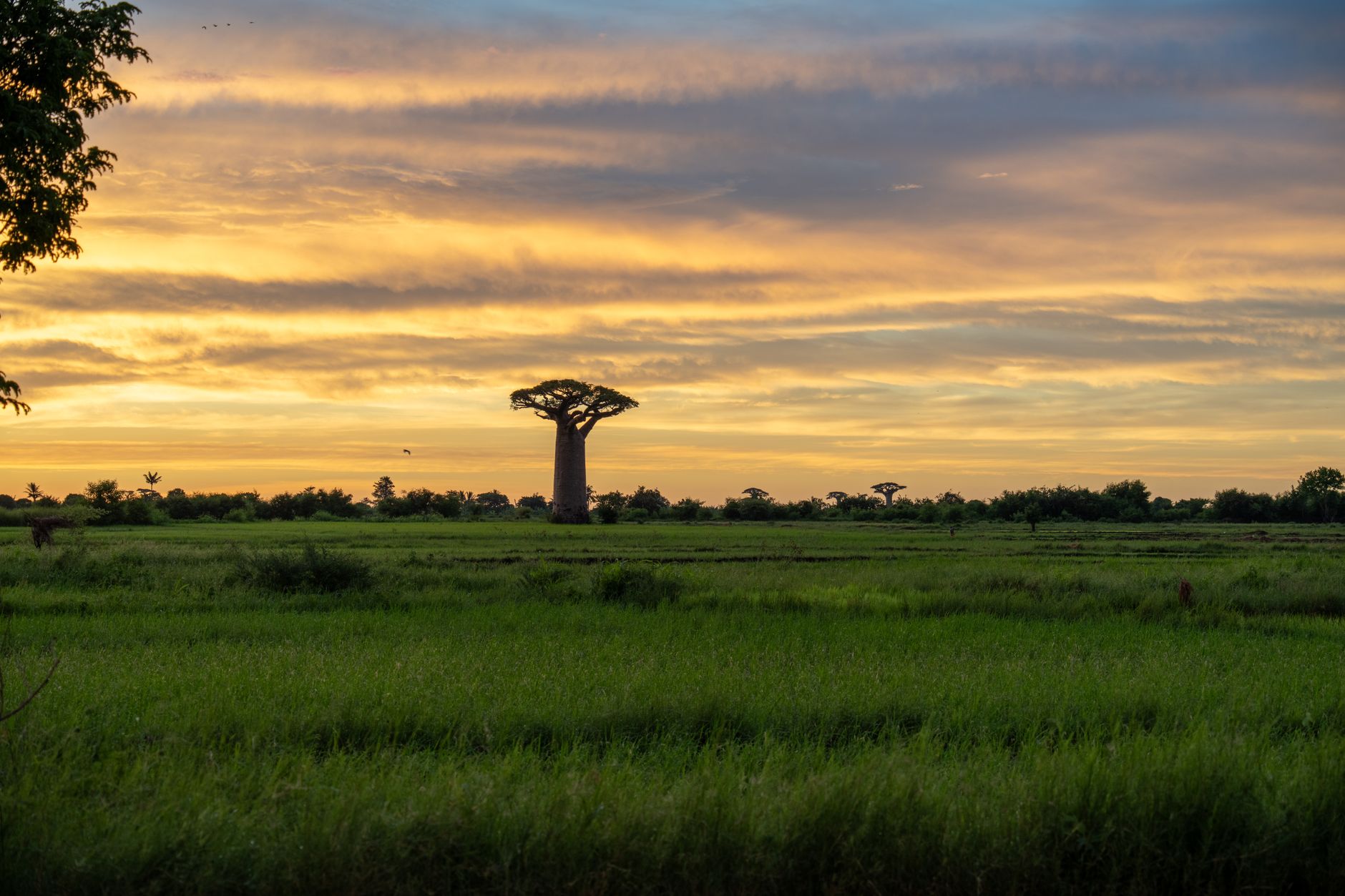
Photo by Chen Edison

  • Matuba tree: this tree grows in Uganda and entire sheets of its bark are prepared by artisans and made into clothing.
  • Paper Mulberry tree: native to east and southeast Asia. It is used to make paper and bark cloth.
  • Tānekaha Tree: this tree’s bark is used to make natural dyes in traditional Asian and Pacific textiles.
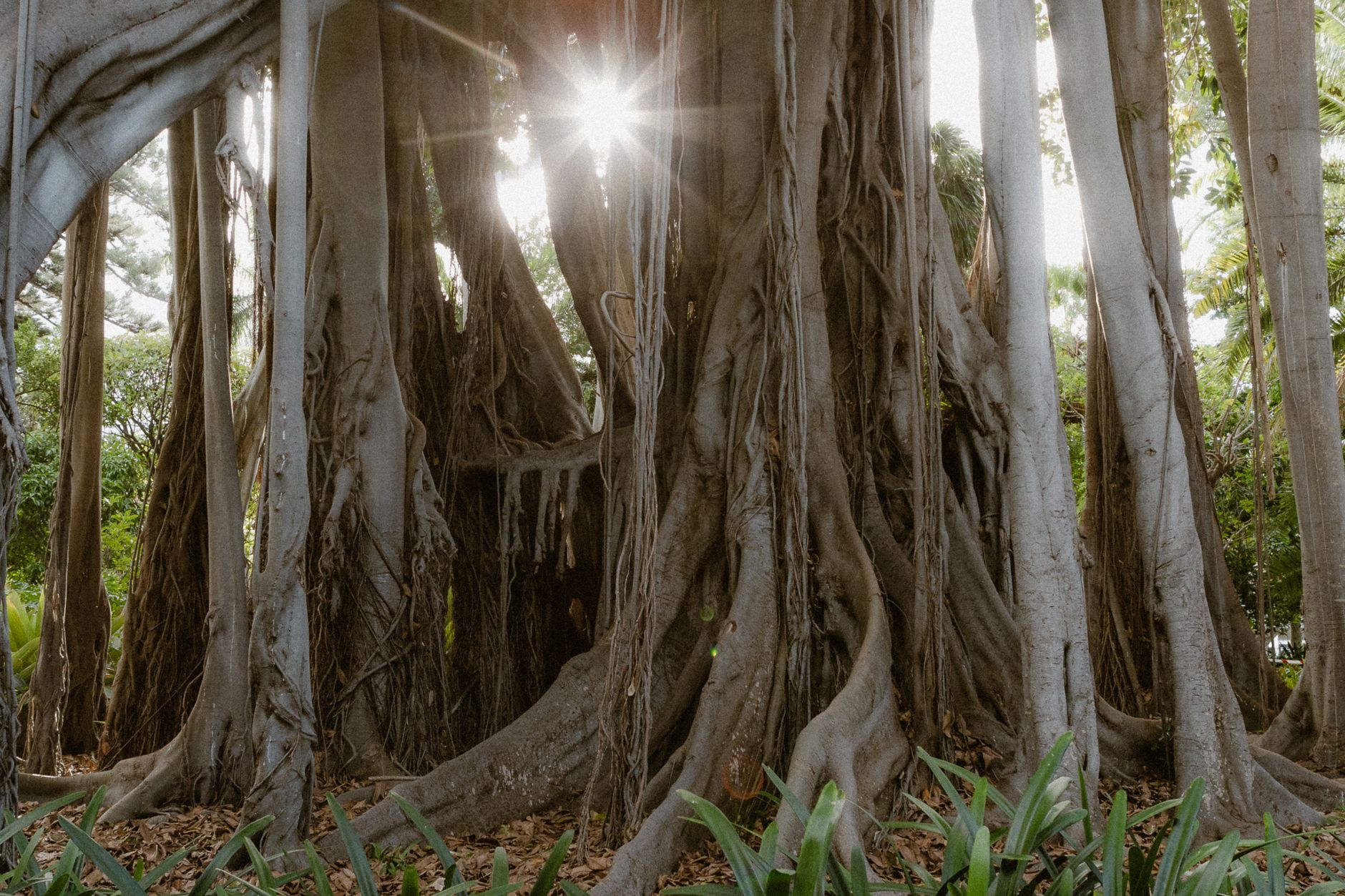
Fig Tree, Photo by Andreas Ebner

  • Fig trees: In Mexico and Central America, bark from these trees are used to make paper and bark clothing. The Xicaque people of Honduras make barkcloth clothing called Tapa. 
  • Ceiba tree: This tree is sacred to the Maya of Central America for many reasons. Fibers from this tree is known as Kapok and is used for filling and insulation.
  • Sapucaia tree: this is a tree that is used by indigenous communities in South America. Llanchama/Yanchama is an unwoven textile extracted from its inner bark and is used to make clothing and functional household tools. 
  • Linden tree: this is a tree native across most of Europe into Western Asia. The inner bark has historically been used to make strong cordage, nets, and ropes.
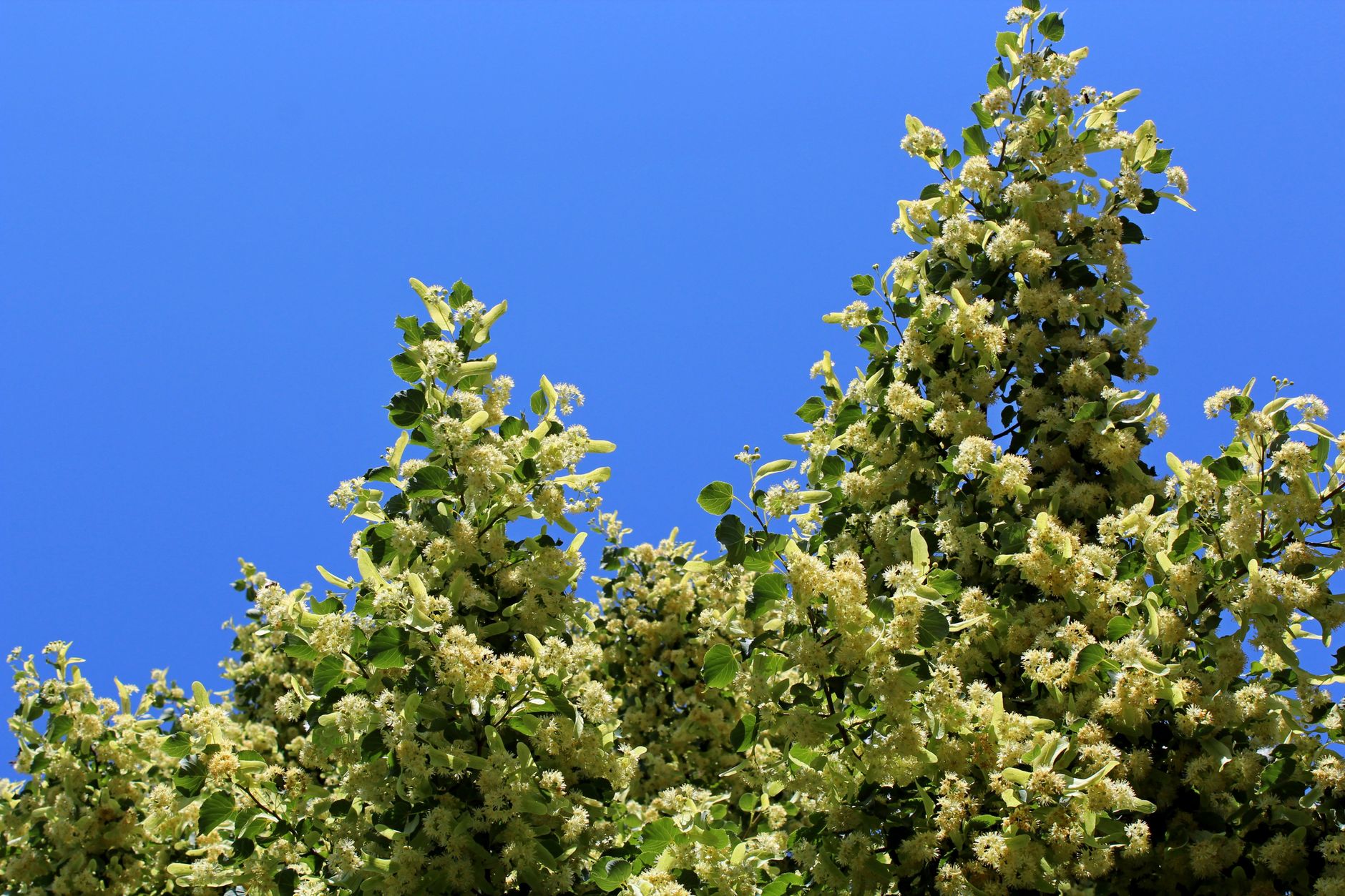
Linden Tree, Photo by Heinz Reisenhofer

  • Elm tree: this tree is native to North America and its inner bark is known for making strong cordage.
  • In our region of North America, the Abenaki used the Black Ash, Willow, Elm, Spruce, Cedar and Basswood trees for many purposes including making canoes, containers, cordage and rope.

My Process

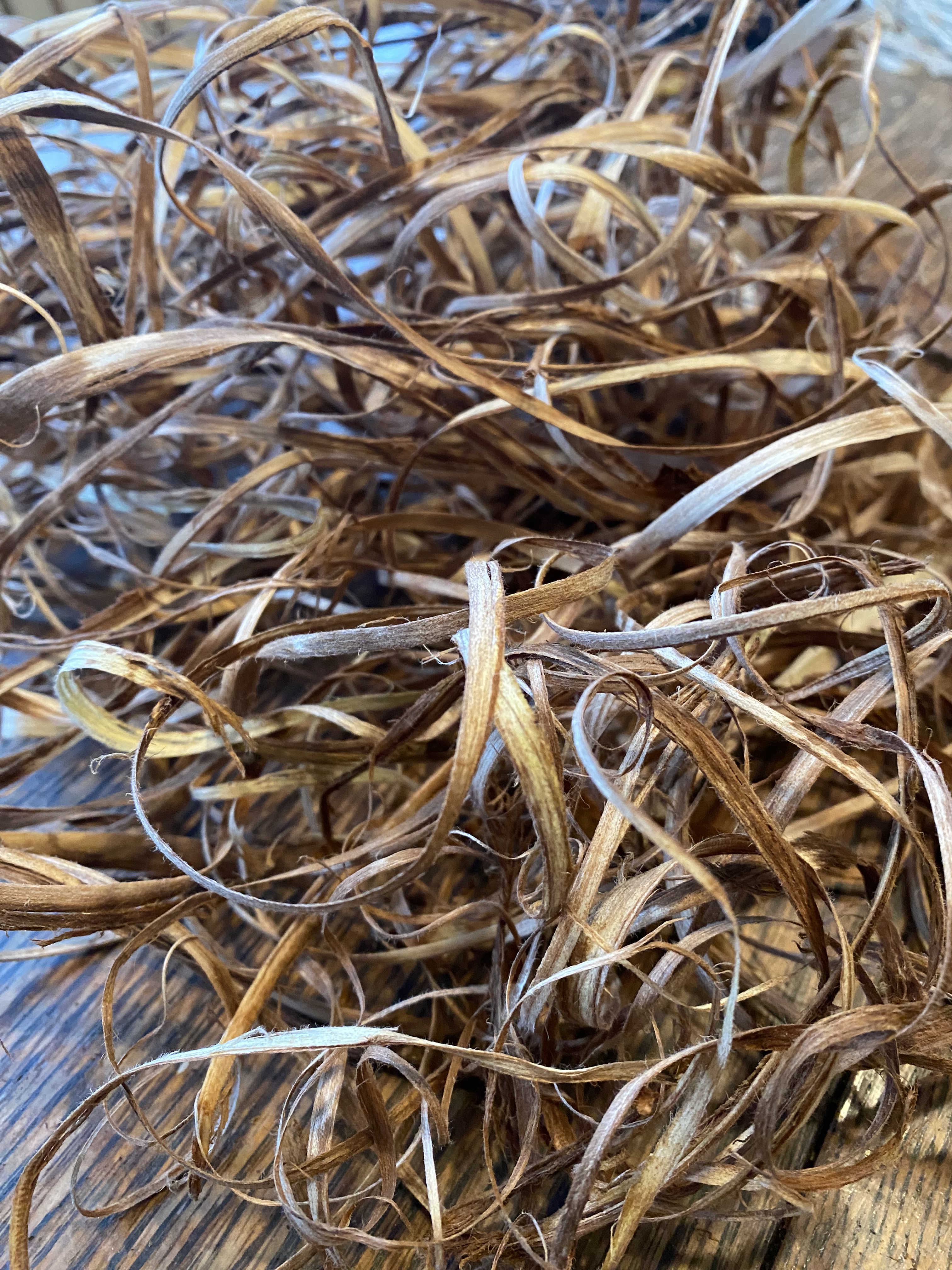
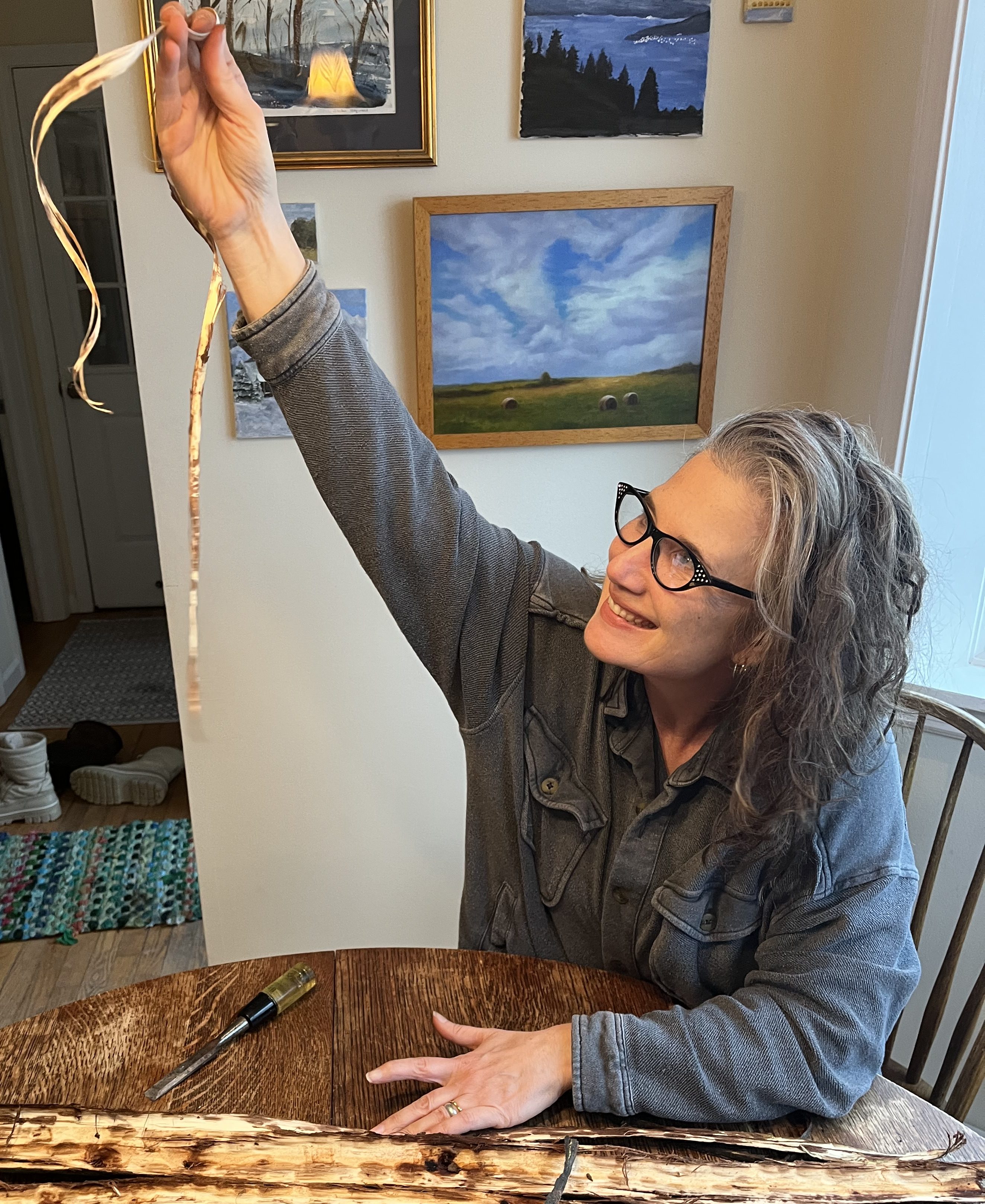
We had to take an elm tree down that had gotten sick. I harvested some branches from the tree to see if I might learn how to extract fibers from the wood. The more I learn about plants and trees, the more I am amazed and in awe of their properties.
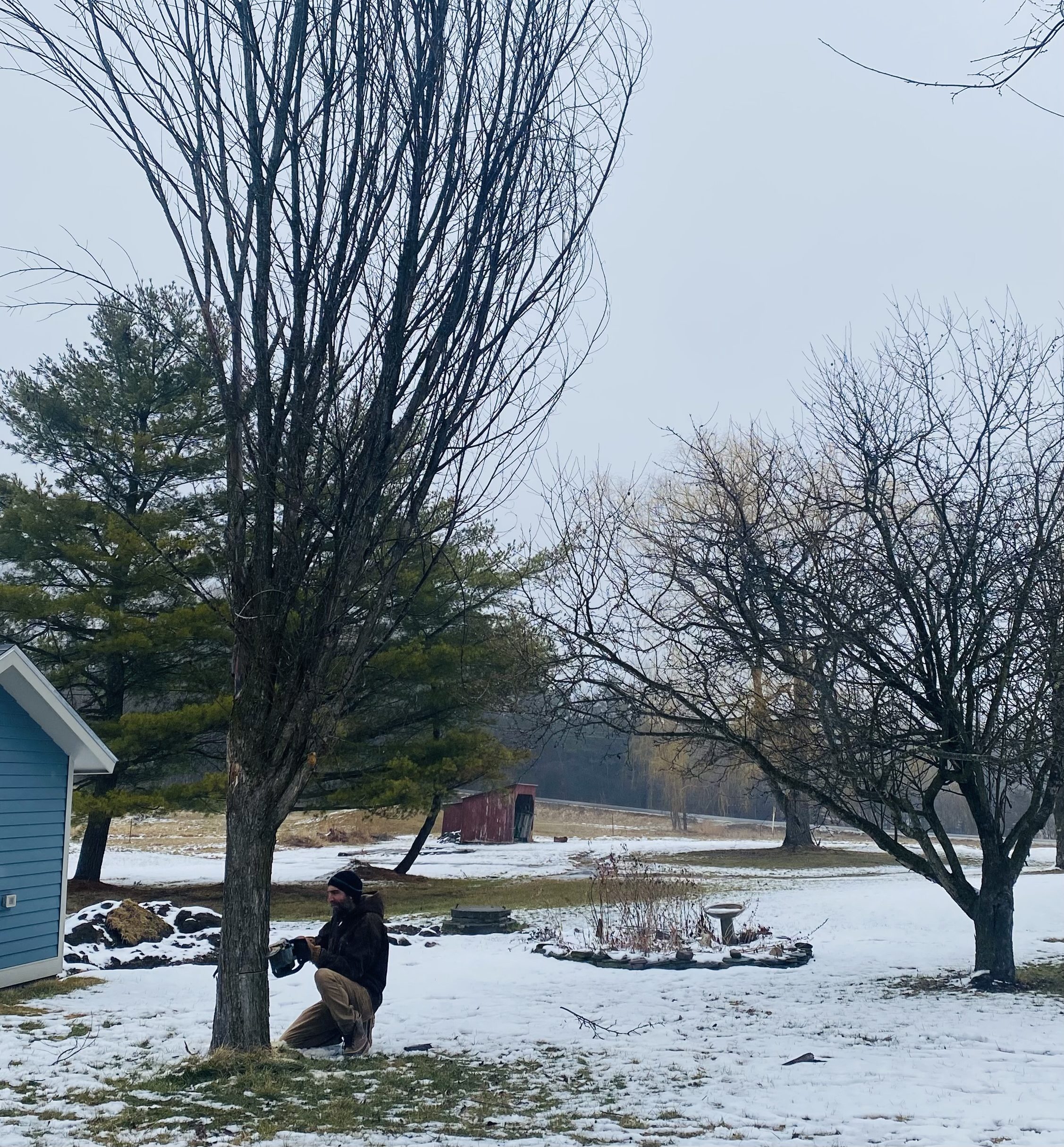
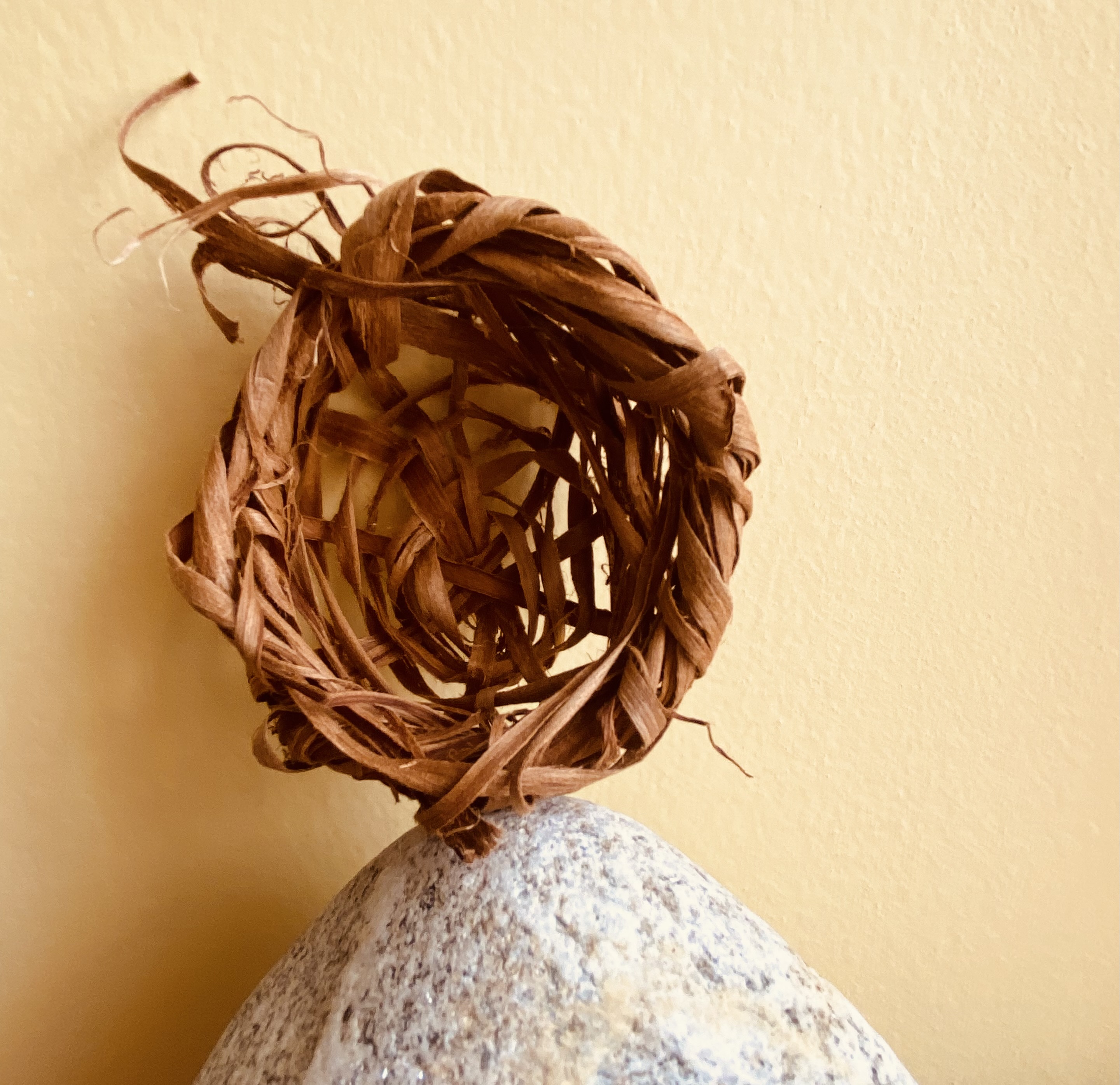
I was doing this in late spring, and it’s still rather cold here in Vermont in March. If I were to do this again, I’d definitely wait for warmer days after the sap runs for a bit longer. I’d also look for a heavy, round piece of metal and roll the bark rather than pound with a mallet. My arthritic hands were not happy. BUT! It was worth it- the beautiful strands of fibers from the elm branch became part of little baskets, and then a Medusa crown I made for a friend’s experimental dance piece.
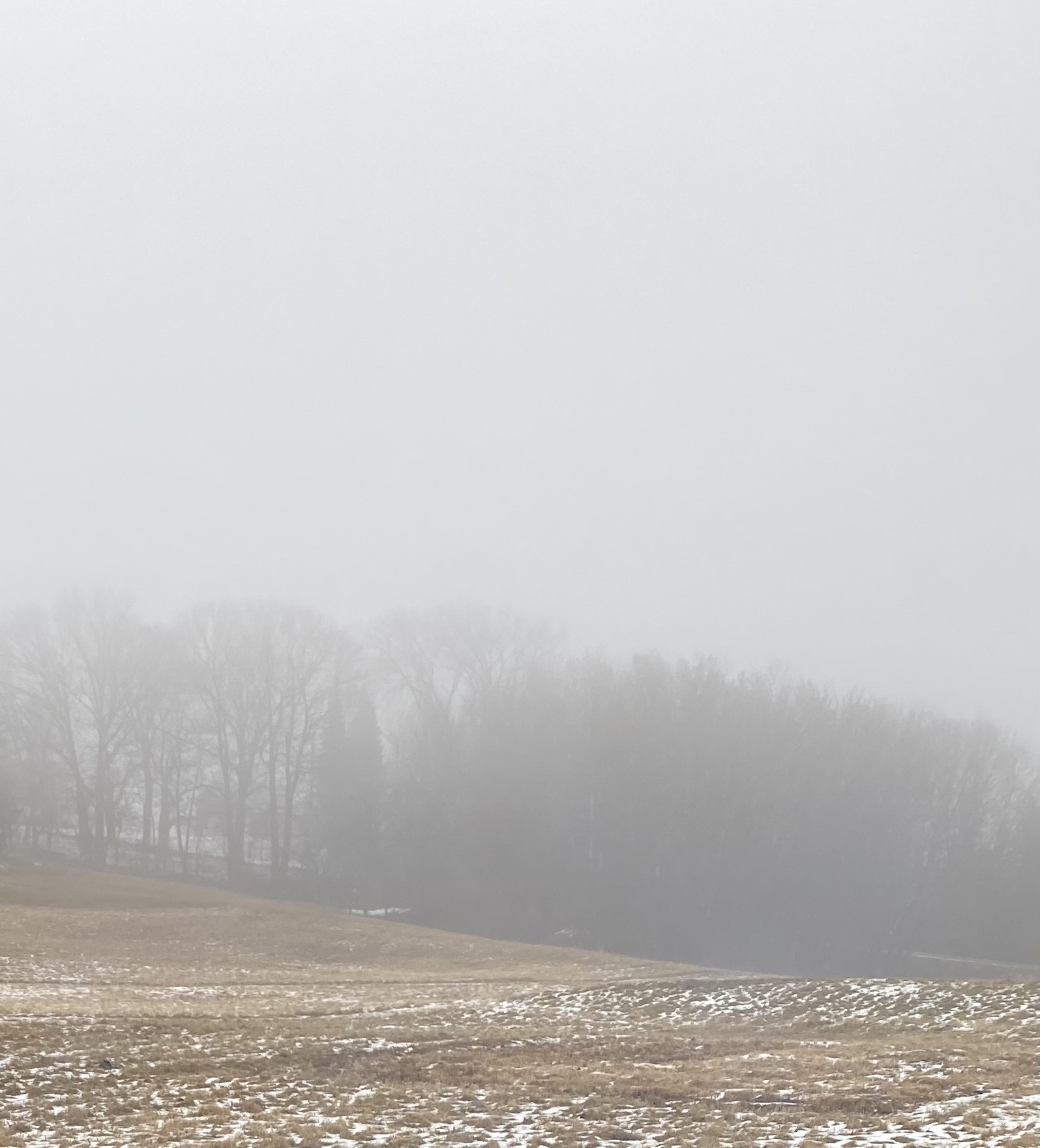
Here is a link to the video!
Until next time,

Bradie

Leave a comment

2-Ply Cordage

…Joy & Woe are woven fine
A Clothing for the soul divine
Under every grief & pine
Runs a joy with silken twine…

~from Auguries of Innocence, William Blake

Back on April 1, I referenced some fundraising I was doing for the Chittenden Asylum Seekers Assistance Network. You can see more about the effort here. I thought I’d share with you the videos that came from that over the next few weeks.

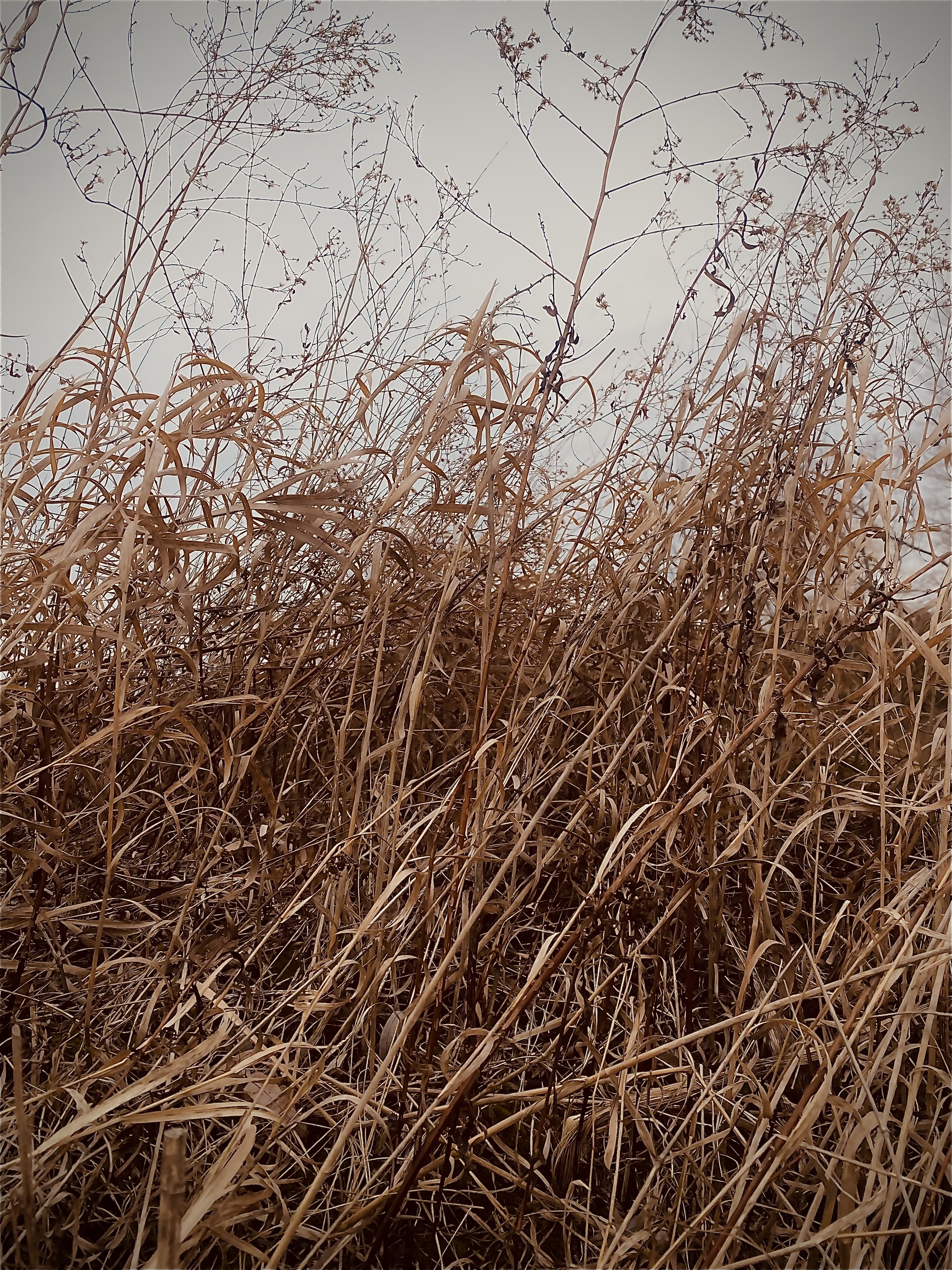
This first one, Winter Worn Field Grass Cordage ~ 2-Ply, is a simple little ditty, and is my first video in the series I’ll be sharing. No words. Just quiet learning.

I discovered after making this video that it is good to coat your cordage in beeswax to keep it supple and strong. That bit didn’t make it into the video but do try it! Winter grasses have frozen, thawed, frozen, and thawed again, breaking down the fibers and contributing to brittleness, which comes back once your cordage dries. Coating in beeswax once the cordage is dried will reinstate moisture, making it useful as well as beautiful.

And here’s a fabulous video on making 3-ply cordage from Sally Pointer who shares all kinds of knowledge on her YouTube Channel. She’s awesome. Watching her videos is like going to the best kind of school.

Enjoy! This is a great time to think about gathering plant materials to store and prepare for cordage making where I live (in Vermont). Just be sure to know your plants, don’t take too much or more than you’ll use, and have a blast.

Until next time,
Bradie


4 Comments

The Coyotes Called Last Night

This is the time of year that marks the beginning of my favorite season. In summer, when it is hot, humid, froggy smelling and quiet, I am a better version of myself. It is easier for me to gain perspective and to slow down. Heat requires a different pattern. I learned that from my brother when we lived in Florida. He owned a landscaping company, and he and his crew went out early in the morning, to beat the suffocating heat of summer late-afternoons. 


For me, summer has become the season for washing wool and imagining all I’ll do with it. I occasionally enjoy blasts of creativity and the drive to work up an idea. Last night, I listened to the coyotes, screaming, yipping, barking. I’ve come to crave that sound on hot summer nights. It reminds me of last year about this time, when I sat up late and experimented with hat designs, almost too hot to be handling wool, but not quite. Then, like now, the coyotes did their wild thing and I felt comforted the way I did when I heard snow plows working in the middle of the night the month after we had our first baby. 

I may be finally starting to get the hang of understanding and riding the waves of seasonal rhythms. Rather than charging through each day as though it’s a job, I’m longing to respect the specifics. We are not really meant to do the same things day after day, with the same timing and the same momentum. It seems to me like there’s a reason for energy surges that visit some of us in the spring and fall months~ there’s a lot of work to do to bring a garden up and put a garden to bed! There’s a reason for the home-ing in that winter calls for (and that’s so often challenged by our steadfast cultural allegiance to busyness); we need a time to go within. To rest. To regroup. To gather the insight and energy required to face the coming seasons of outward growth and physical labor. And to let go of those things that have died away. 

For now, I’ll enjoy the early morning garden tending, the wool processing, the swimming and playing with my children, and the planning. And I’ll relish the moments I get to hear other life happening outside my open windows, in the pitch dark during the deepest hours of night.