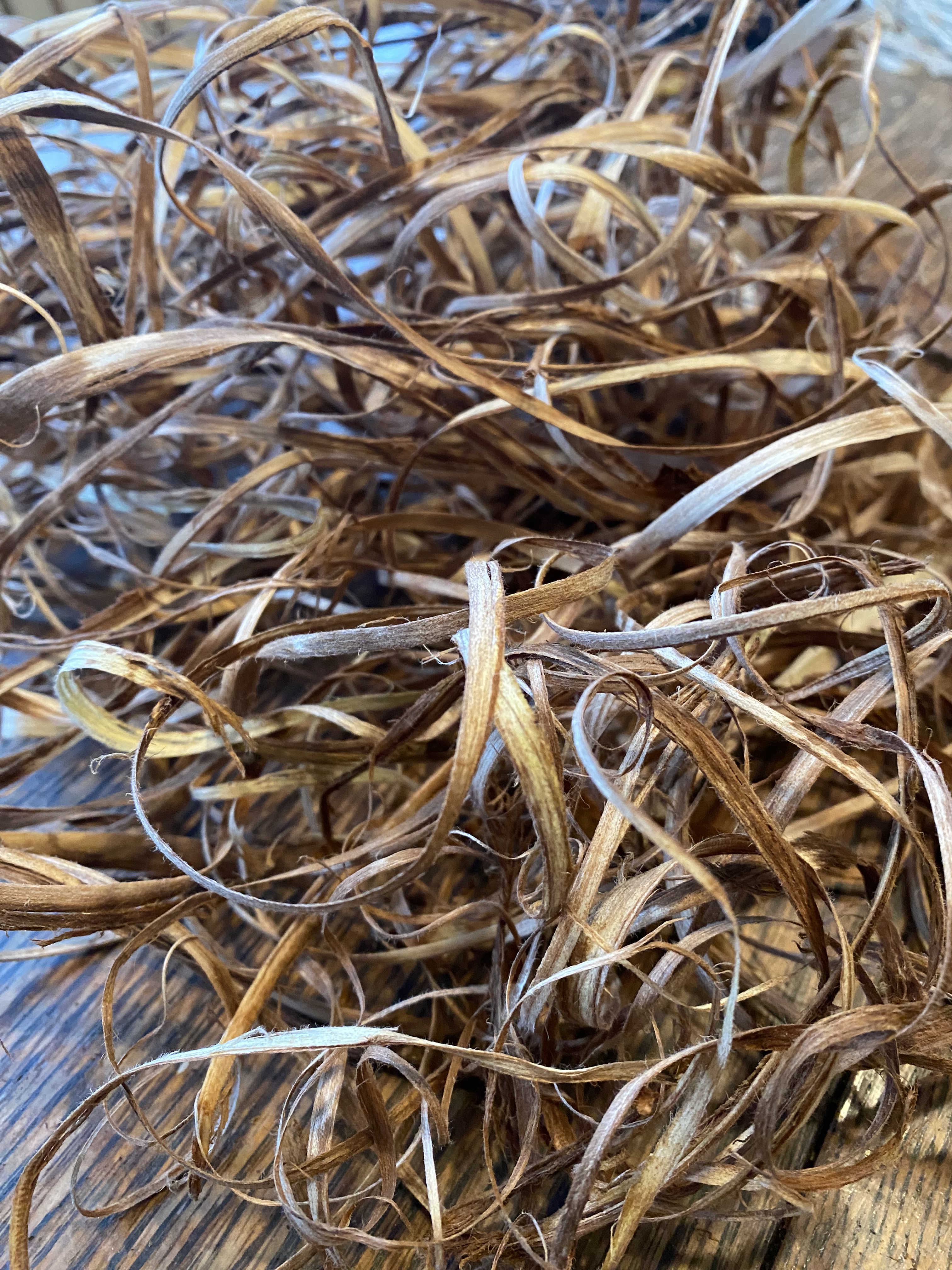
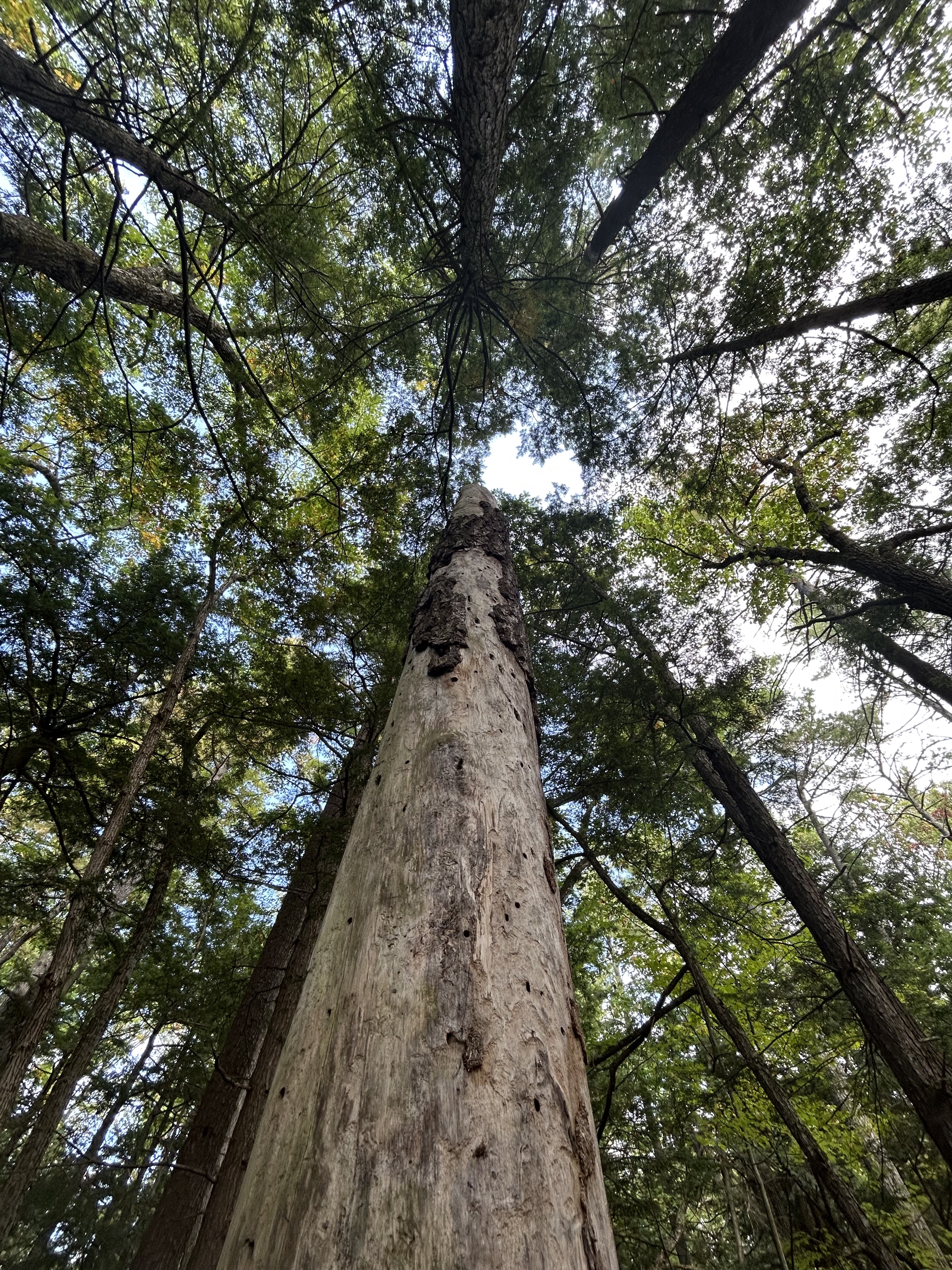
This one is about my efforts in learning how to extract fibers from trees. In my case, I had an elm tree branch to work with. But before I get to that, I want to share some of what I learned while researching for this project.
Interesting Facts About Tree Fibers and Their Uses
~ Fibers from trees have been utilized for, at the very least, 52-thousand years.
~ Tree fibers have been extracted for their various uses all over the world. Here are some great examples:
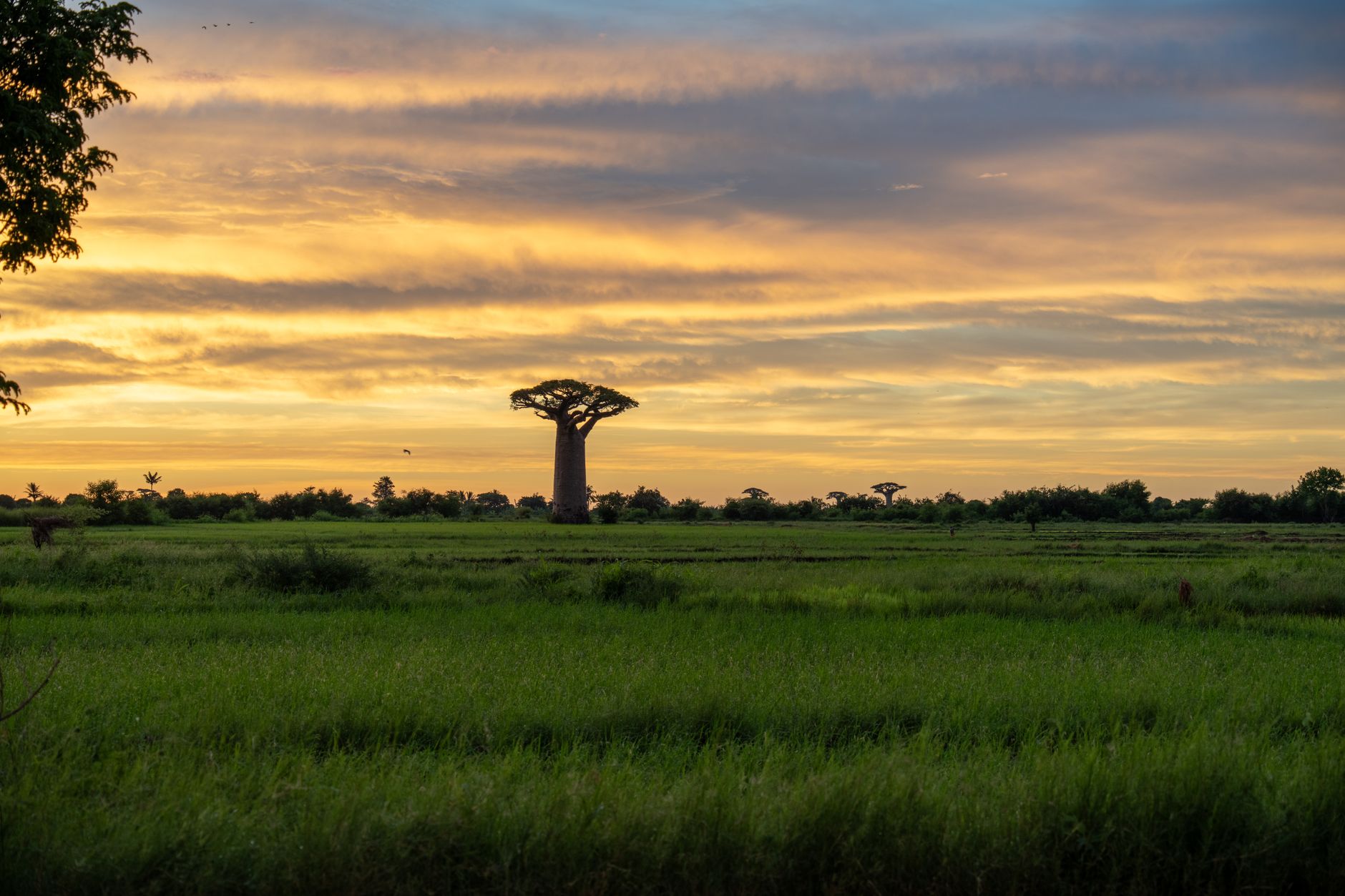
Baobab tree: this tree can be found throughout sub-Saharan Africa, in Madagascar, Sri Lanka, Australia, and the Caribbean. Bark from this tree has been used to make rope, fishing nets, baskets and mats, and clothing.
Photo by Chen Edison
Matuba tree: this tree grows in Uganda and entire sheets of its bark are prepared by artisans and made into clothing.
Paper Mulberry tree: native to east and southeast Asia. It is used to make paper and bark cloth.
Tānekaha Tree: this tree’s bark is used to make natural dyes in traditional Asian and Pacific textiles.
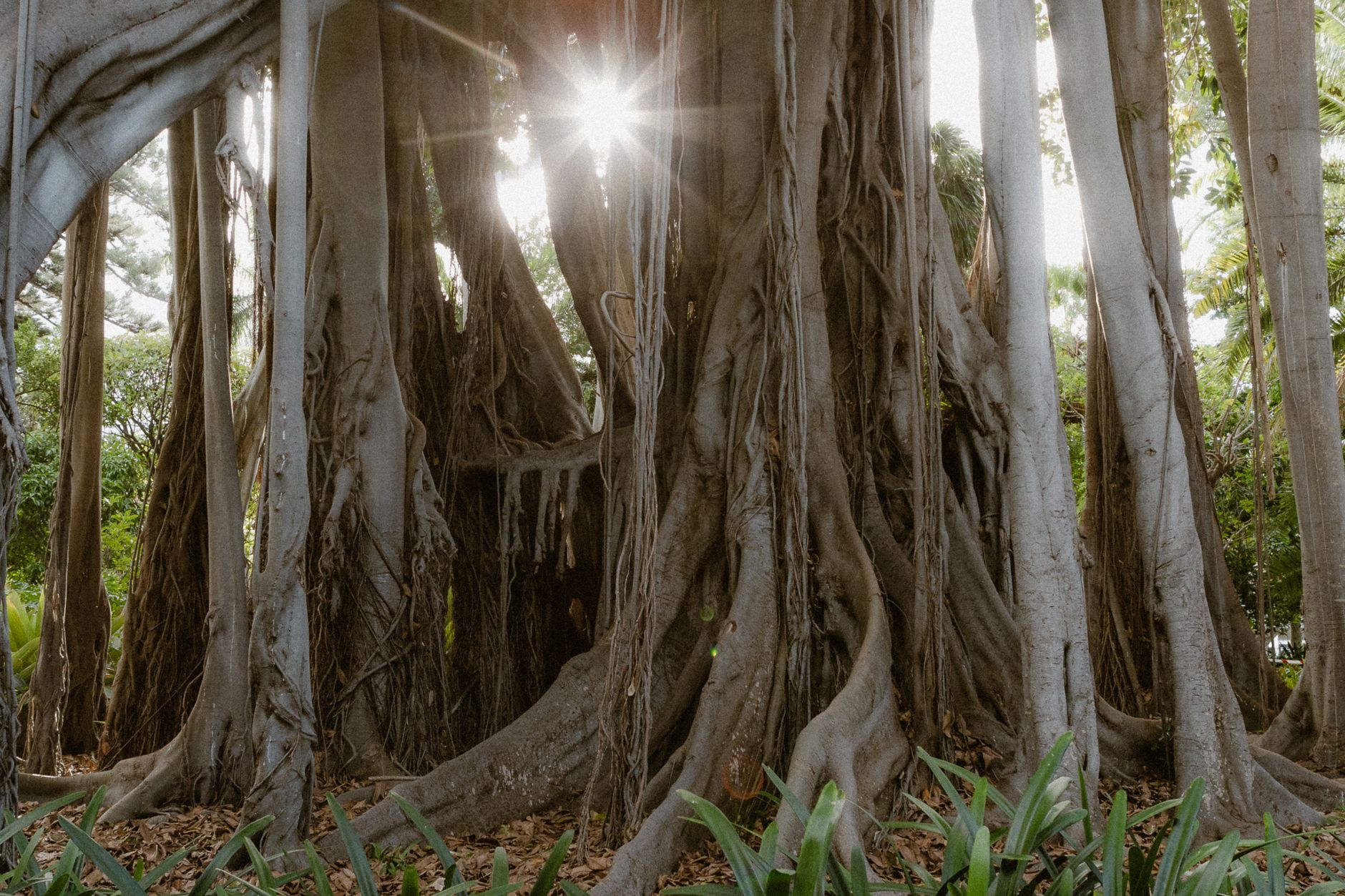
Fig Tree, Photo by Andreas Ebner
Fig trees: In Mexico and Central America, bark from these trees are used to make paper and bark clothing. The Xicaque people of Honduras make barkcloth clothing called Tapa.
Ceiba tree: This tree is sacred to the Maya of Central America for many reasons. Fibers from this tree is known as Kapok and is used for filling and insulation.
Sapucaia tree: this is a tree that is used by indigenous communities in South America. Llanchama/Yanchama is an unwoven textile extracted from its inner bark and is used to make clothing and functional household tools.
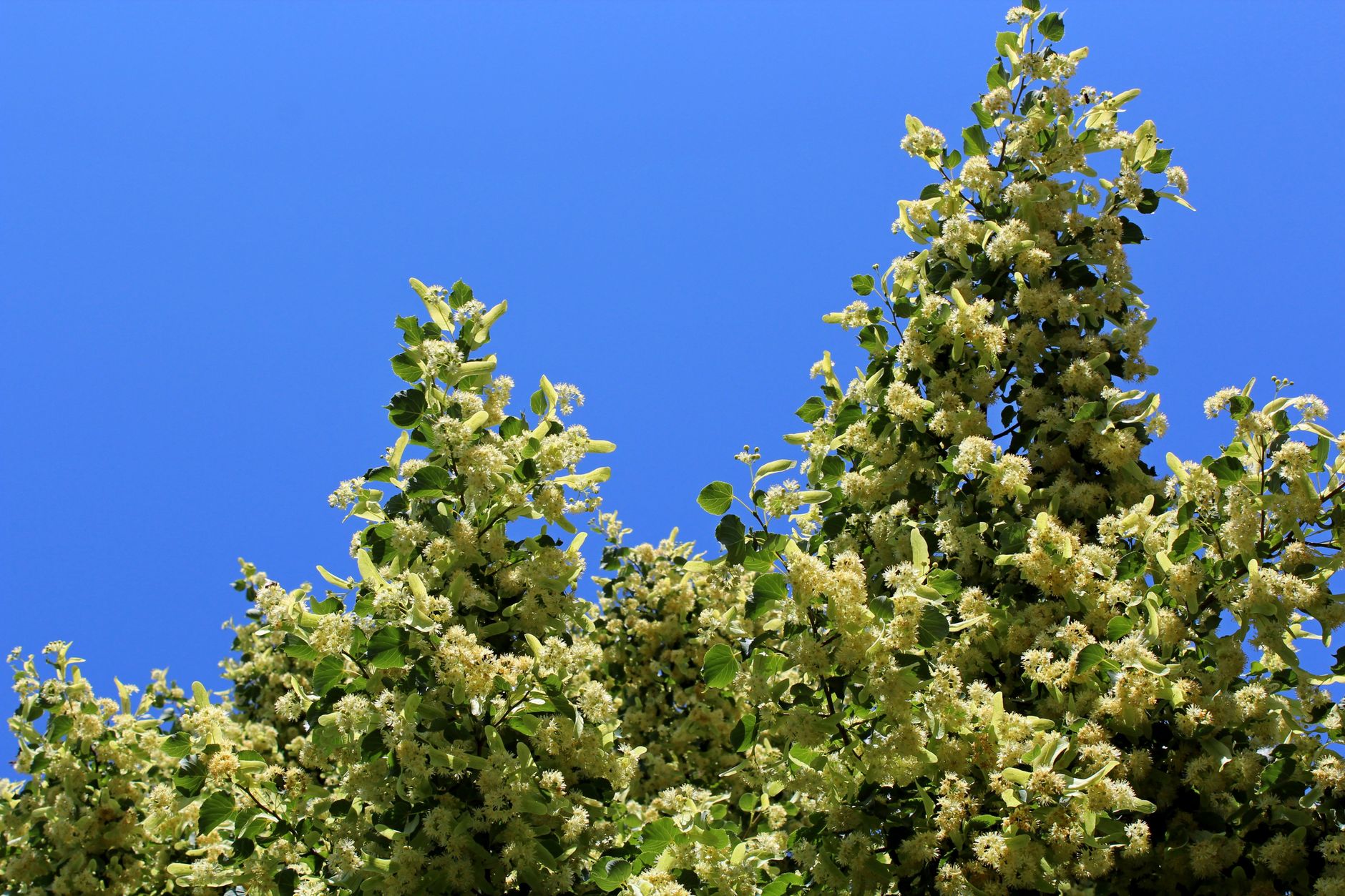
Linden tree: this is a tree native across most of Europe into Western Asia. The inner bark has historically been used to make strong cordage, nets, and ropes.
Linden Tree, Photo by Heinz Reisenhofer
Elm tree: this tree is native to North America and its inner bark is known for making strong cordage.
In our region of North America, the Abenaki used the Black Ash, Willow, Elm, Spruce, Cedar and Basswood trees for many purposes including making canoes, containers, cordage and rope.
My Process
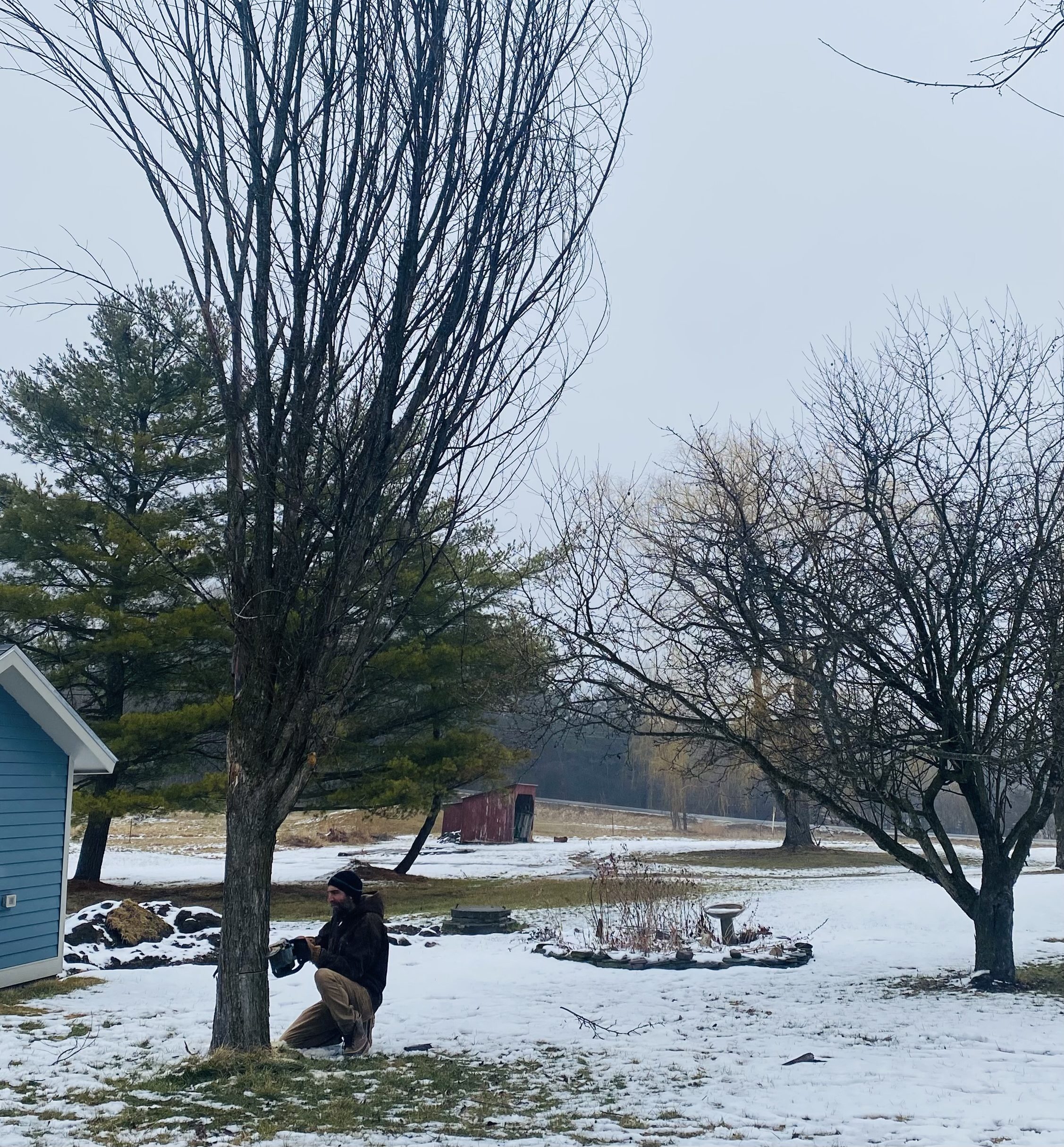
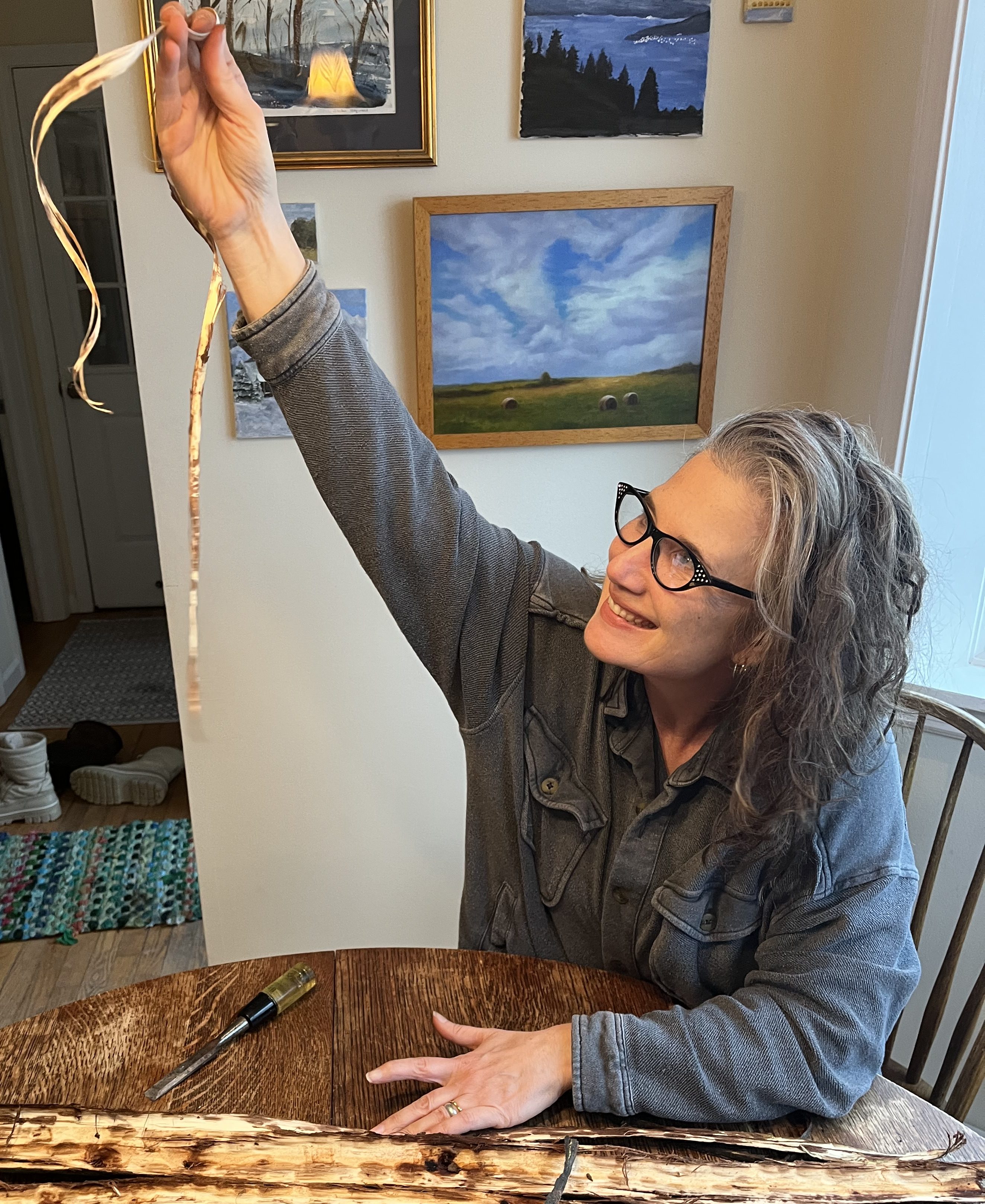
We had to take an elm tree down that had gotten sick. I harvested some branches from the tree to see if I might learn how to extract fibers from the wood. The more I learn about plants and trees, the more I am amazed and in awe of their properties.
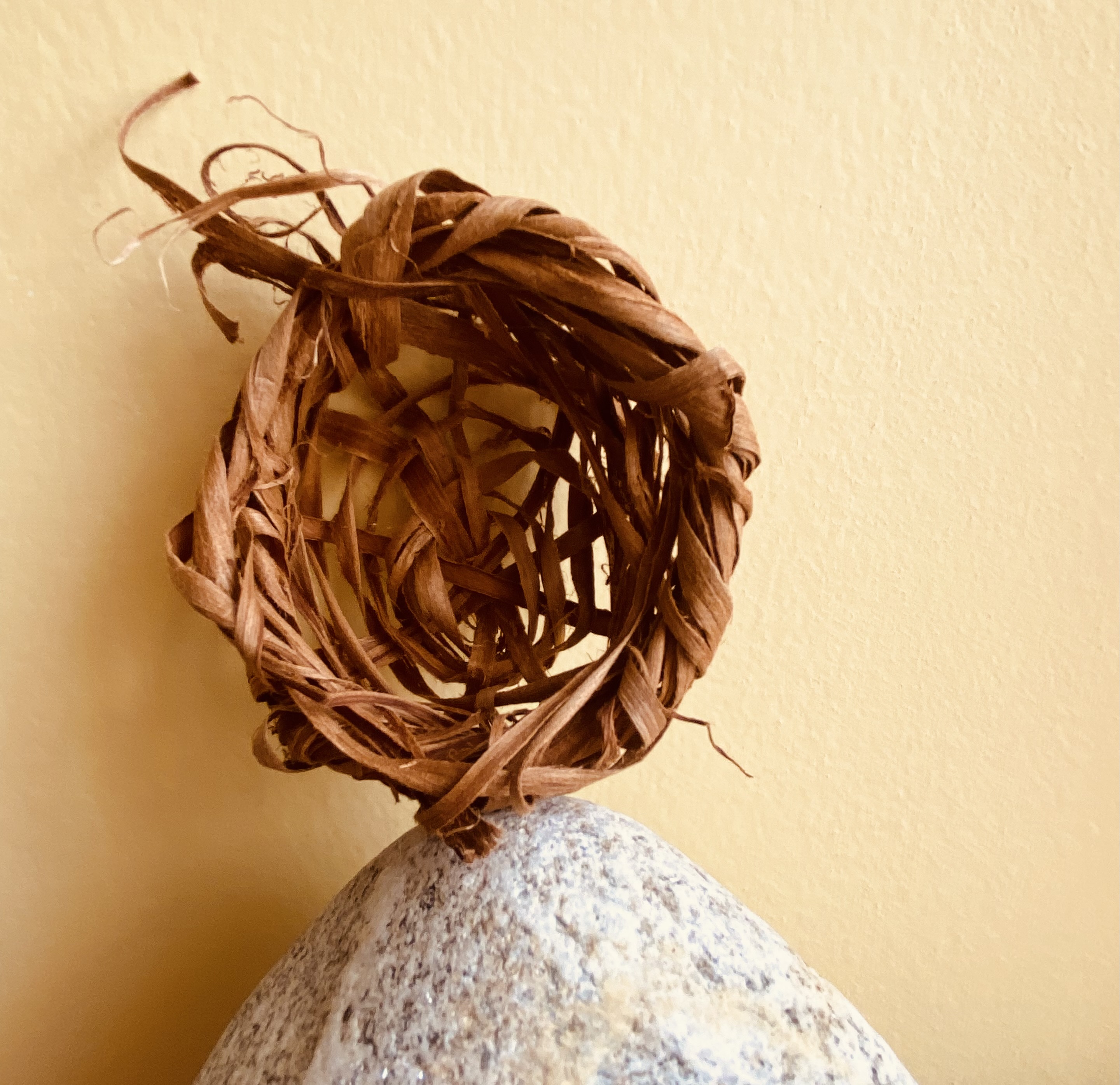
I was doing this in late spring, and it’s still rather cold here in Vermont in March. If I were to do this again, I’d definitely wait for warmer days after the sap runs for a bit longer. I’d also look for a heavy, round piece of metal and roll the bark rather than pound with a mallet. My arthritic hands were not happy. BUT! It was worth it- the beautiful strands of fibers from the elm branch became part of little baskets, and then a Medusa crown I made for a friend’s experimental dance piece.
…Joy & Woe are woven fine A Clothing for the soul divine Under every grief & pine Runs a joy with silken twine…
~from Auguries of Innocence, William Blake
Back on April 1, I referenced some fundraising I was doing for the Chittenden Asylum Seekers Assistance Network. You can see more about the effort here. I thought I’d share with you the videos that came from that over the next few weeks.
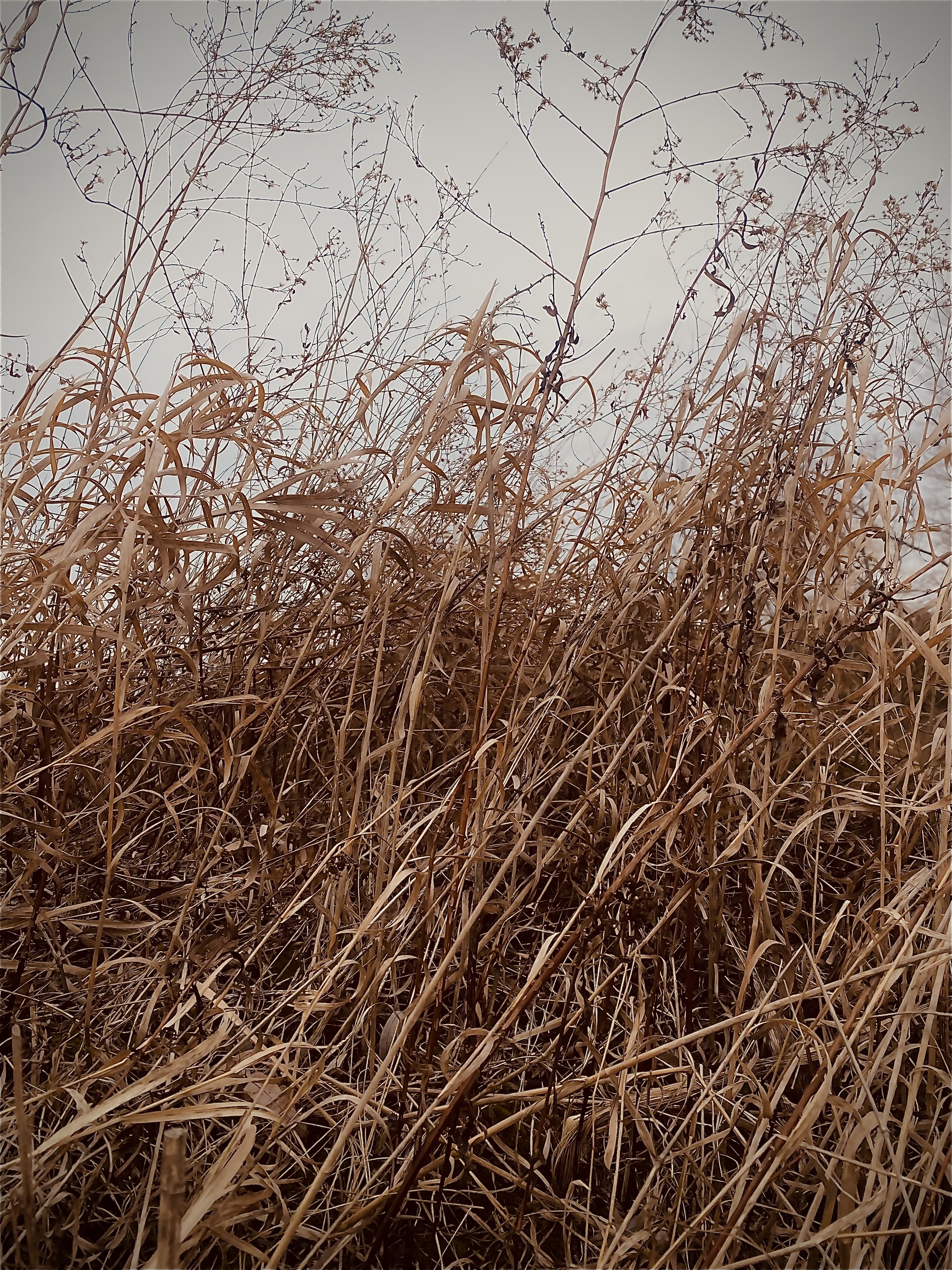
This first one, Winter Worn Field Grass Cordage ~ 2-Ply, is a simple little ditty, and is my first video in the series I’ll be sharing. No words. Just quiet learning.
I discovered after making this video that it is good to coat your cordage in beeswax to keep it supple and strong. That bit didn’t make it into the video but do try it! Winter grasses have frozen, thawed, frozen, and thawed again, breaking down the fibers and contributing to brittleness, which comes back once your cordage dries. Coating in beeswax once the cordage is dried will reinstate moisture, making it useful as well as beautiful.
And here’s a fabulous video on making 3-ply cordage from Sally Pointer who shares all kinds of knowledge on her YouTube Channel. She’s awesome. Watching her videos is like going to the best kind of school.
Enjoy! This is a great time to think about gathering plant materials to store and prepare for cordage making where I live (in Vermont). Just be sure to know your plants, don’t take too much or more than you’ll use, and have a blast.
I asked this question to people in my community: what is one thing you do that you feel supports your creativity and art making?
Of those that I asked, these are the responses I got back. Captured are the nuances, intricacies of humanness, and the fabulous varieties in the ways people think about and relate to their creative spirits. It’s clear: creativity is not only about making art. Creativity is energy in the relational field, with self, others, and the world in which we live.
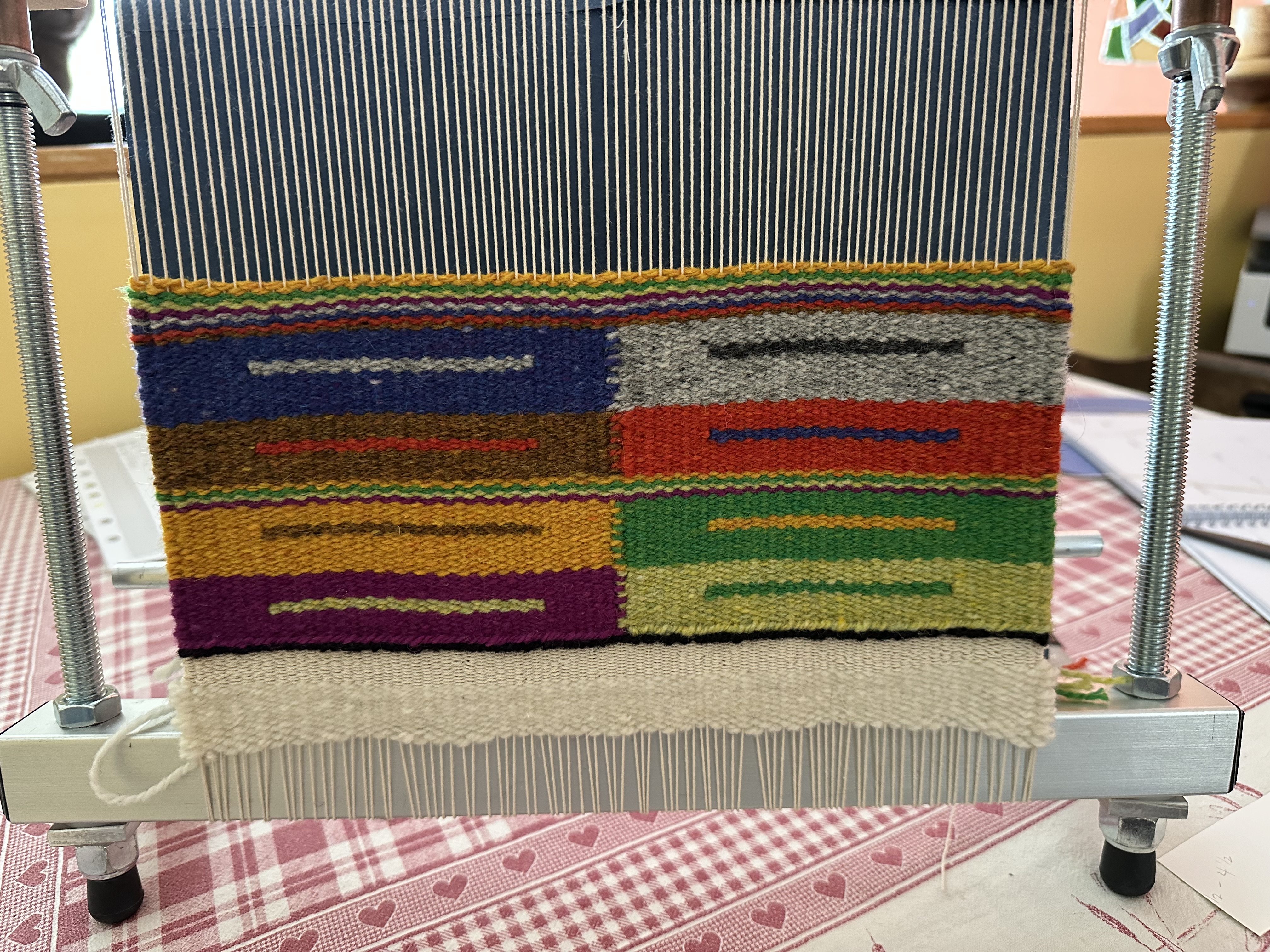
From Donna LaPerle~
Joy feeds my creative sparks which encourages resiliency. Knowing I have joy inside me comes through my creativity and keeps me from sinking into what I believe is insane news on the TV. I have balance because the joy of being creative puts me in an “I can” space. If I am experiencing joy, I am healing myself and it might reflect what I am creating in my art. My depression has popped out of my so called, Jack in the box, through weaving and woodwork. Looking at my stash of yarn or smelling my wood gives me hope. Through my creativity I silently invite others to connect with their joy. Perhaps I cannot change these crazy times but maybe we can hope for a brighter day and maybe witness just one or two smiles.
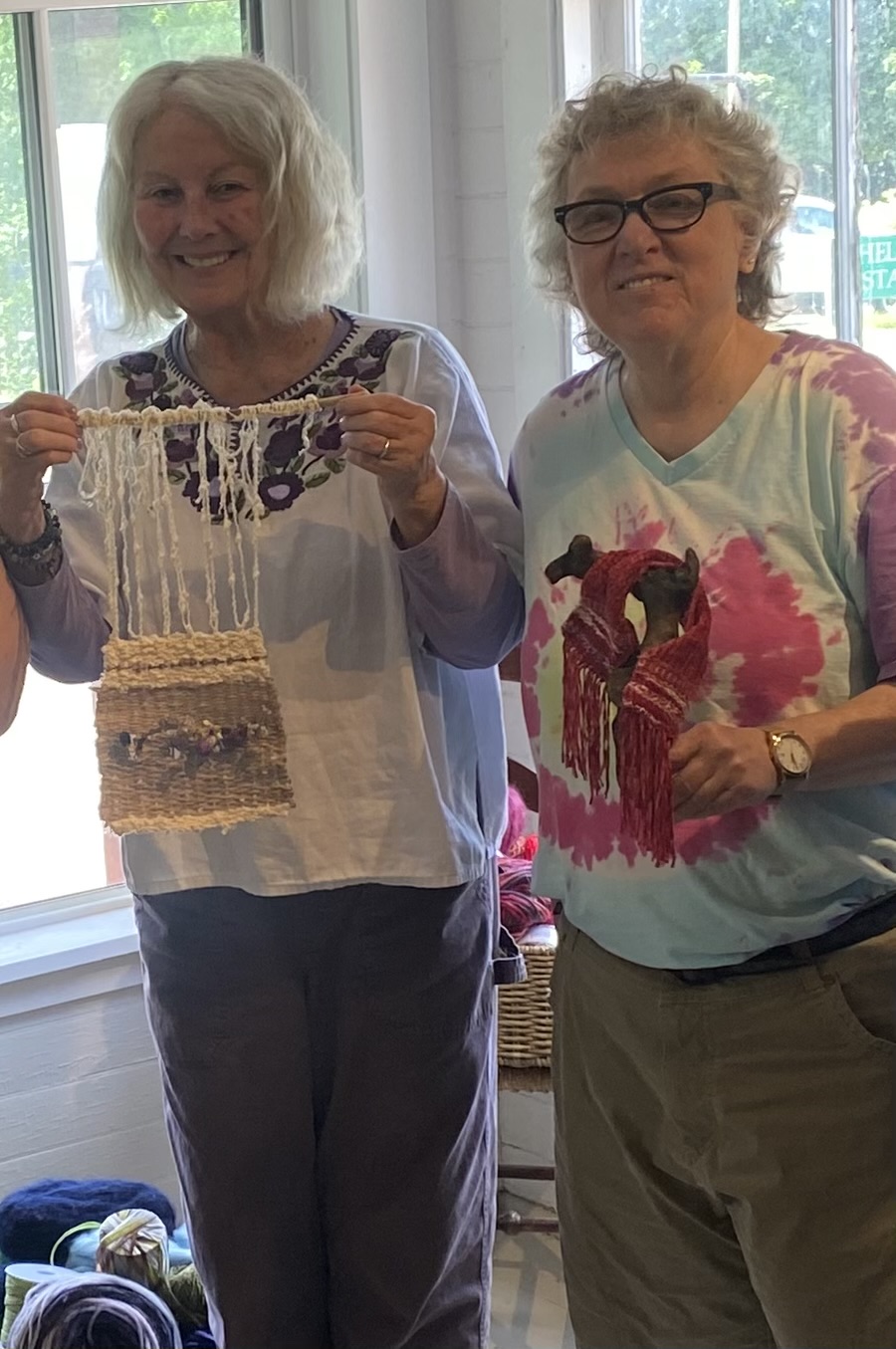
Linda and Donna with some Wild WeavingDonna’s Weaving & Exploration of Color Interactions
From Linda J. ~
I seek out craft and artistic visionaries who teach, inspire and nourish the creative quest and thought. Then I reflect and gather various inspiring materials, implementing the excitement into action–realizing everything is a learning opportunity and to enjoy the process.
When possible, allot time for your creativity—creativity nurtures so much of our well-being and identity; we can’t ignore that!
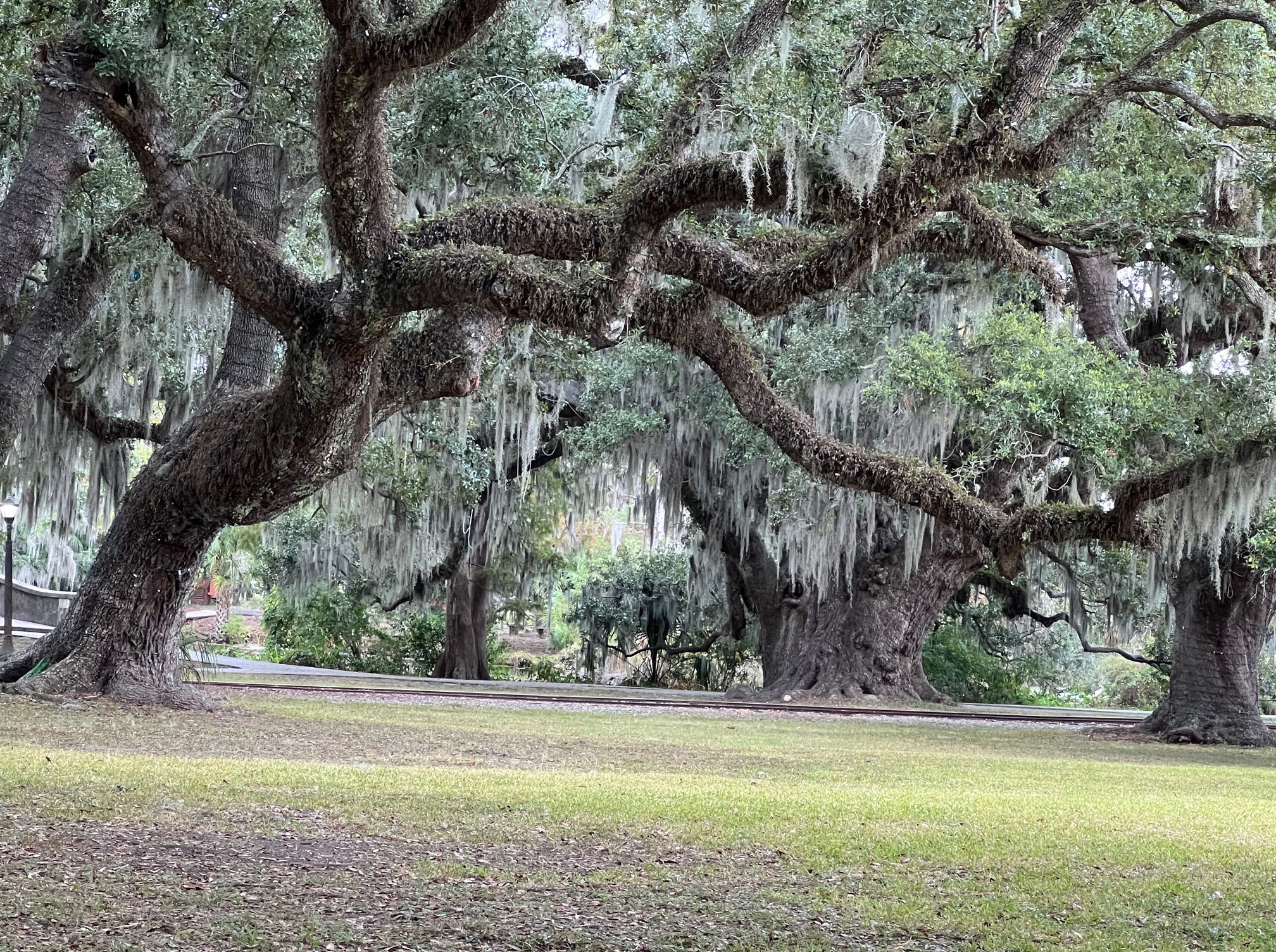
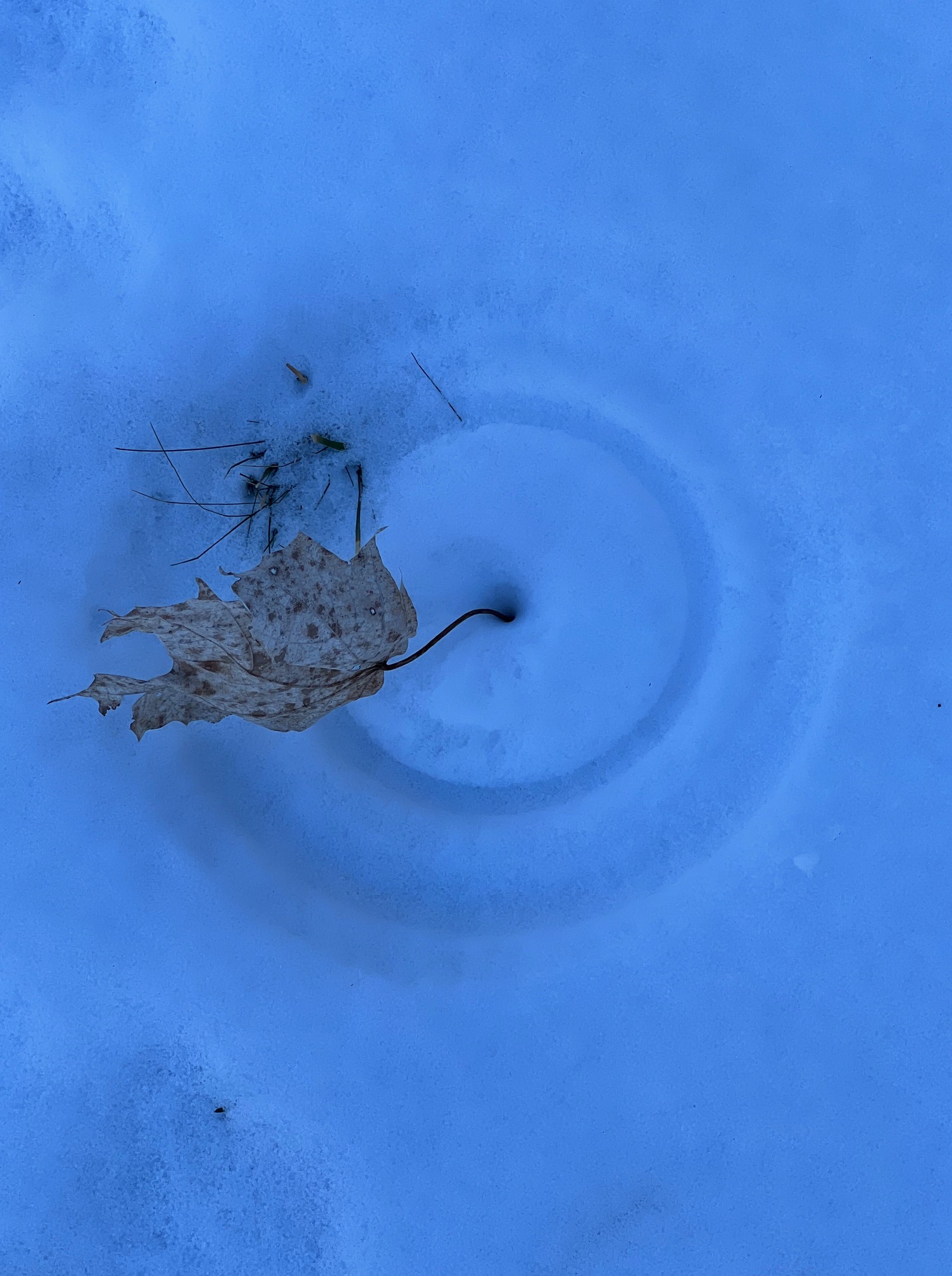
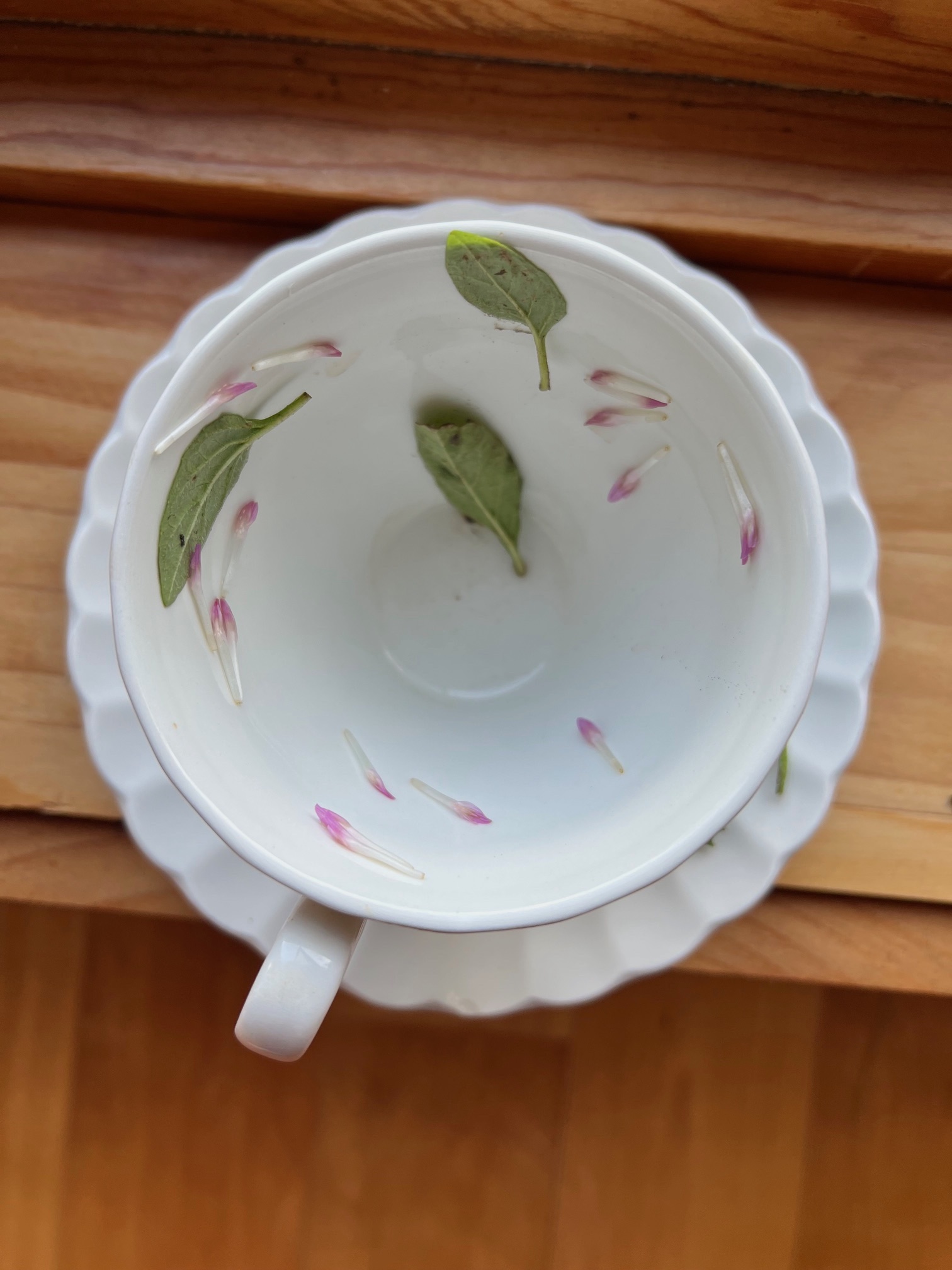
From Kendra ~
I exercise my visual perception. I attentively observe my environment, forms of plants, animals, interior spaces, quality of light/colors. The more I look, the more I perceive with my eyes.
I exercise my imagination in various ways: I imagine experiencing the world from a different physical size, how would it feel to be a tree or be a particular leaf or cat or an insect. How would I experience a tree if I lived in the soil? What’s the shape of the sensation of my skin touching another surface? What’s a visual representation – color, shape, movement – associated with a feeling or emotion?
from Kendra ~ Virginia Oaks; the tree pictured in the back is 800 years old!from Kendra ~ A leaf stuck in the snow and the pattern the wind and it created together. from Kendra ~ tea ceremony
From Steve Diffenderfer ~
I reflect on a current event, historical event,a recent interaction with a person be it emotional or cerebral, or anything else that holds my interest. I will then make a series of drawings to create context & reconcile that particular subject/idea/emotional response with at least three drawings and often twenty five or more small 5 /12″ x 8 1/2″ graphite or pen & ink drawings. (30-60 minute drawings). When I am truly inspired, I will translate one of those drawings into a painting. (5 hours to 45 hours per painting). I am not concerned with generating artwork. I am not constantly drawing. I create visual art in yearly cycles. I play guitar every day :). Beginning in 2020 I started exploring foreign languages and what may be lost in translation. I read a lot of Dostoevsky, Tolstoy, Chekhov, Gogol, Turgenev, Pushkin, Bulgakov & Pasternak novels during the pandemic. I considered Russian literature being translated into English prose, and being reliant on a translator. I also considered the Tao Teh Ching (which I consider poetry, and have read and revisited for many years) being translated into English. This led me to begin visually considering Chinese characters (hanzi) and Hebrew characters (Ktav Ashuri) and working them into a series of artwork: using them to convey ideas & feelings outside of the spoken & written language I use in daily life.
I explore other themes along the way. I’m always interested in something.
From Krista ~
I wake up early when it is still quiet. Make a cup of coffee and have time to knit or craft. It’s almost a meditative time for me. In the summer, I like to knit outside and listen to the birds and morning sounds. Winter, audiobooks.
Lately, I have moved away from visual YouTube podcasts, because my attention is drawn away from my knitting to the screen. I am more productive listening to audiobooks. I can keep working with an eye on what I am doing while listening to a story.
From Ali W. ~
One thing I do that supports my creativity is spending time outside without an agenda- just observing, walking, or collecting natural objects. Being in the moment with nature sparks ideas and often leads to unexpected creative flow. I prefer to let myself follow instinct-whether that’s taking a walk at dusk, watching how the light changes, or making something with my hands from what I find. Those little, unplanned moments feed my creative self more than anything structured (which tends to be hard for me).
from Ali
From Jonathan Silverman~
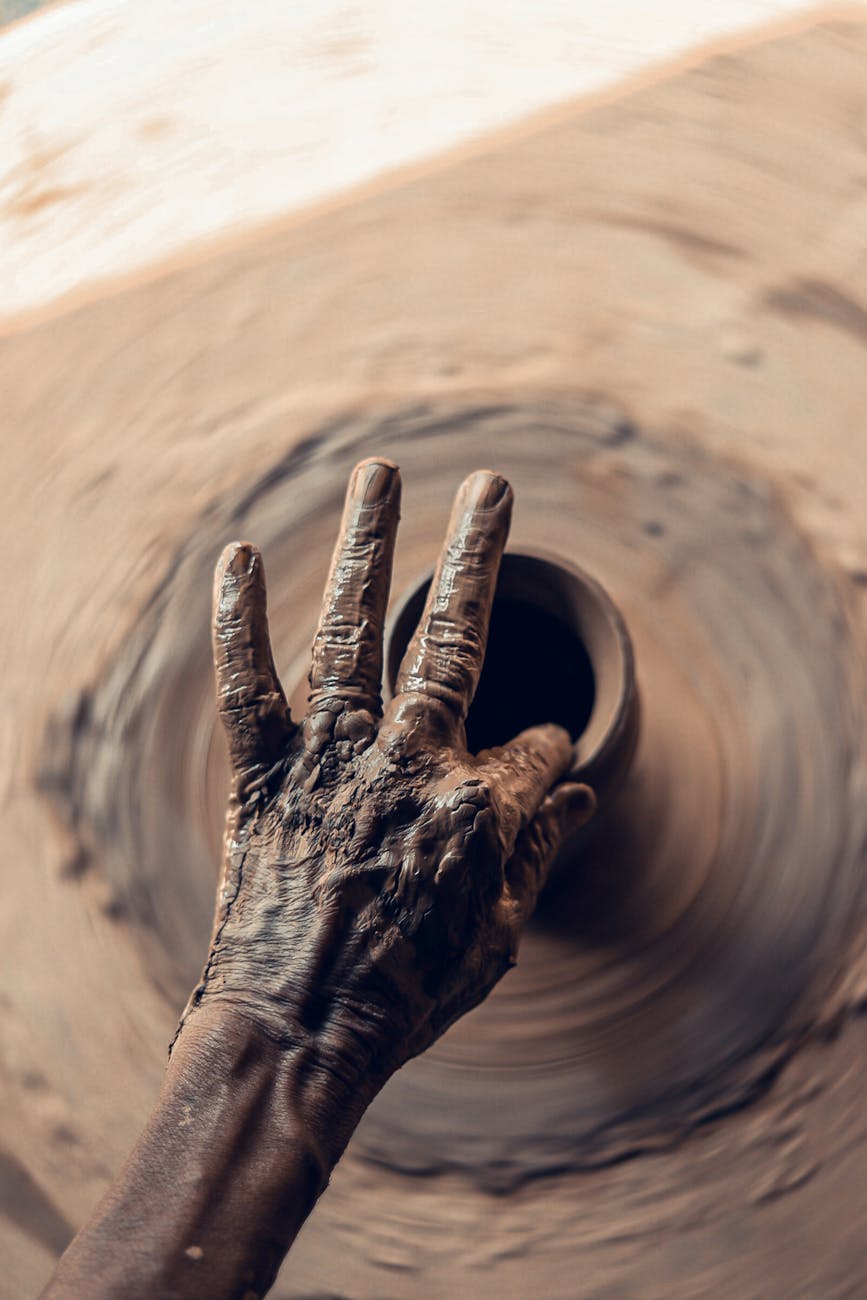
Serendipity, play, discernment- I have no idea and every idea of what I’m doing. There is joy and humility in acquiescing to both intent and discovery. Kneading, coiling, slabbing, throwing, pinching, scraping, folding, glazing… a wonderous dance. I am in partnership with clay, sometime we are in sync, sometimes we just don’t get along. We share ideas on how to end a form, pondering from the inside out and outside in.
Photo by ritesh arya
What do you think? What do you do to tend to or pay attention to your own creativity? Or if you don’t, can you imagine doing one tiny thing to turn your gaze towards the creative parts of yourself?
I think it was around fifteen years ago now that I re-found my love of making things. That energy had been in some kind of limbo state, emerging at times through writing, experiments, and gardening. For these last fifteen years, though, I’ve been in a steady state of learning about all sorts of fiber craft and art. A main passion has emerged, and that has to do with weaving.
The interlacement of all things is an idea, or a reality, that just grabs me. It’s simple and obvious. But it’s also profound and true. I recently wrote this in an instagram post:
One of the things I love about weaving is that is invites our minds to work with our bodies. We can be with humble tools and materials and through the simple act of interlacements, something beautiful can emerge.
To interlace materials is to simply join them in an over and under rhythm. Suddenly, elements are joined when they were otherwise separate. Weaving for me has been a way to be with myself and my thoughts. I follow the directions of the materials and let myself flow with the process, rather than try to control the process from start to finish.
This has been true of my experiences with grief. The more I tried to control grief, the more I suffered. As I have learned to move with grief and let the waves of it interlace with all of the other truths about me and my life, the more I’ve been able to grow with it.
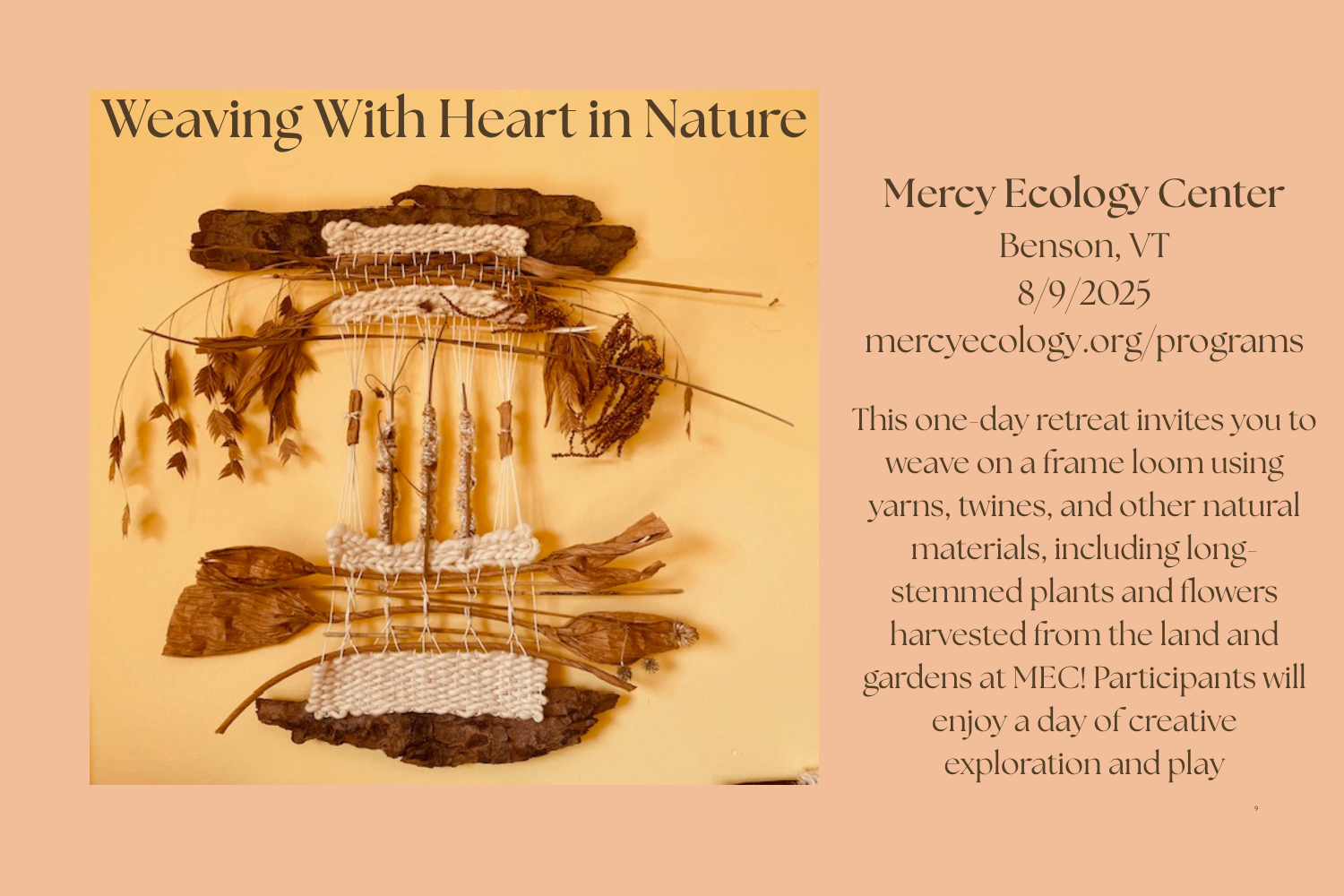
If you told me fifteen years ago that I’d be invited to lead a weaving workshop at such a wonderful place as Mercy Ecospirituality Center, I’d have looked behind me, assuming you were talking to someone else. If you are within a reasonable drive to Benson, VT, and feel like spending a day playing with interlacements, please come! I promise, you will end up with something that you didn’t expect, and that it will mean something to you.
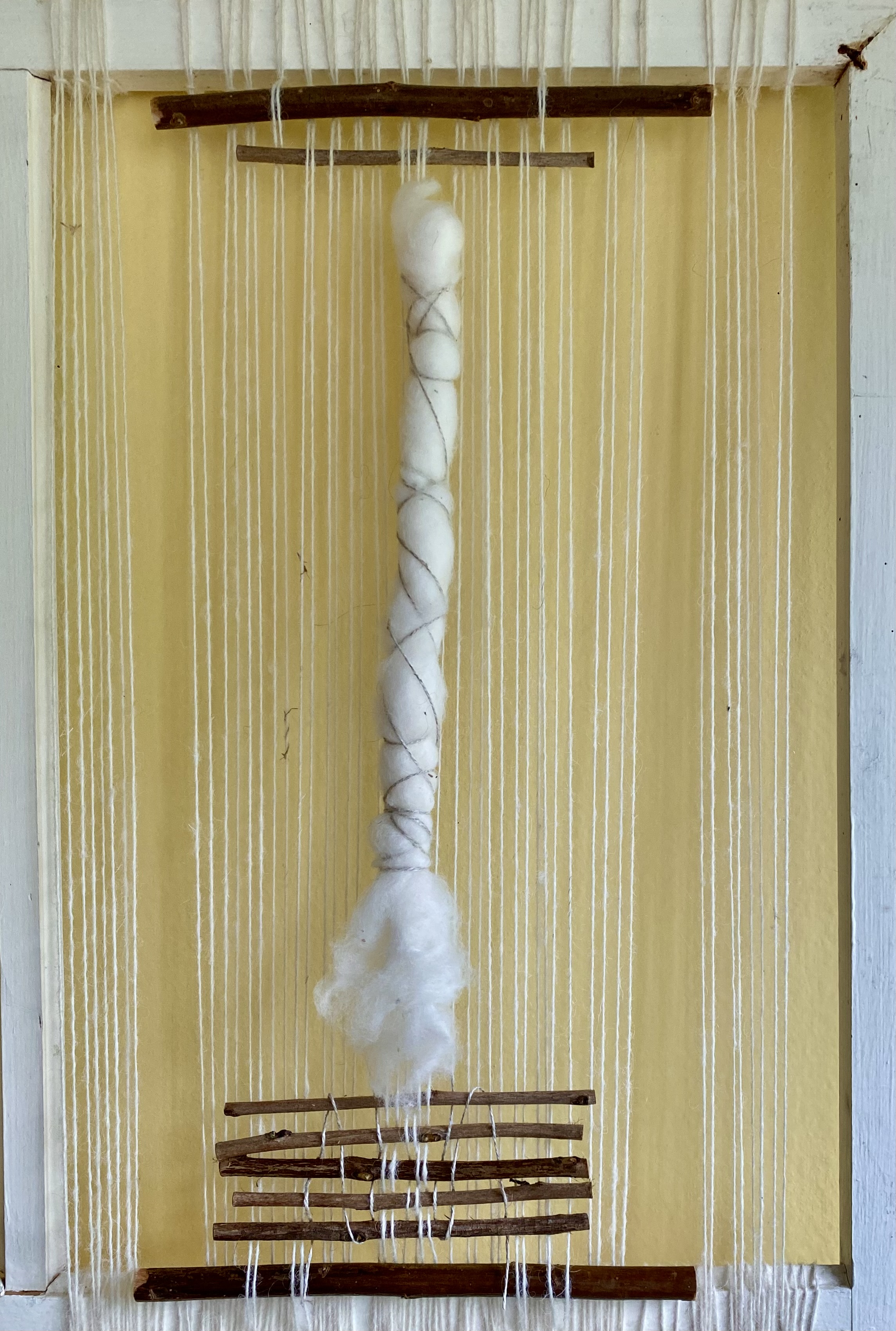
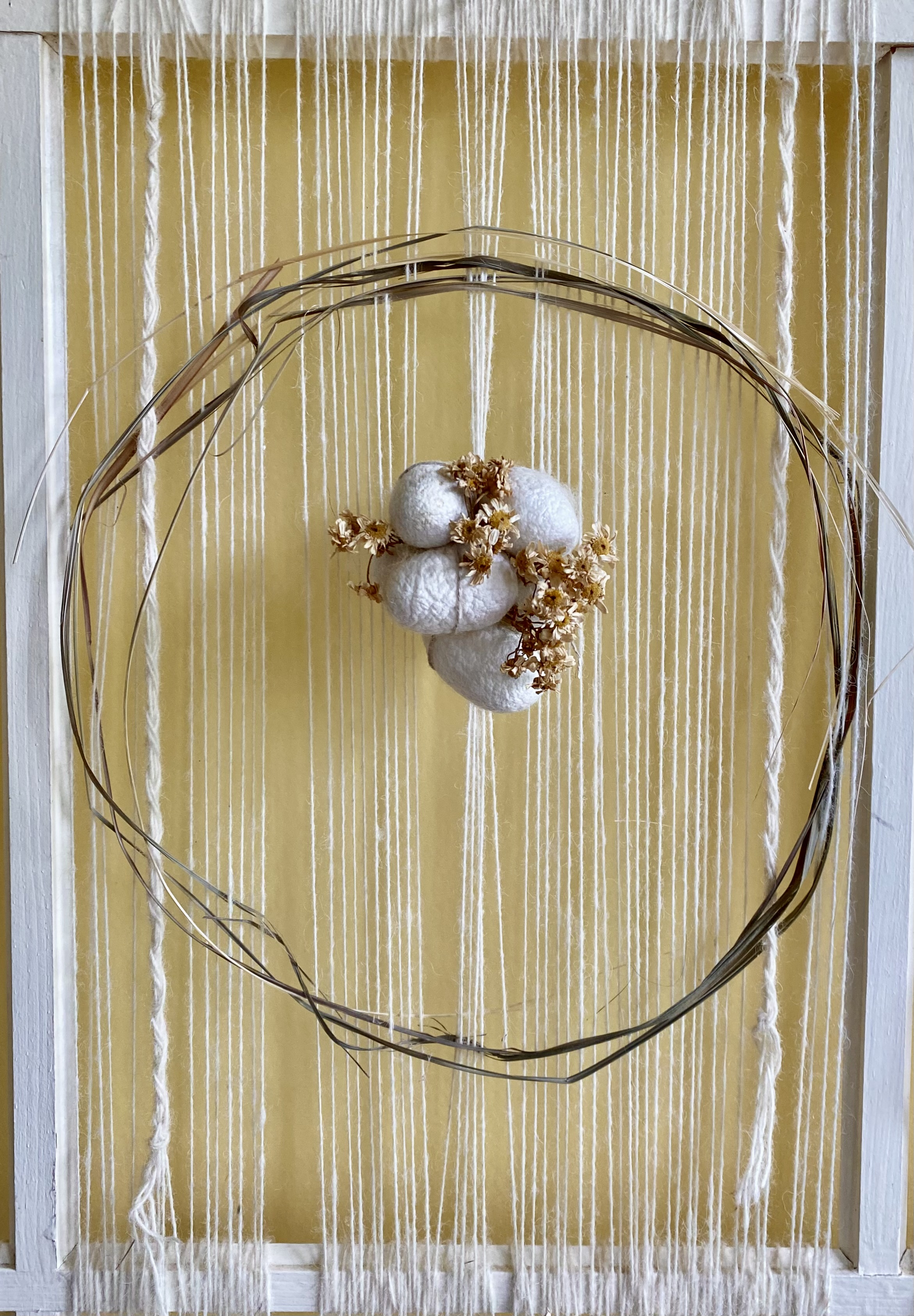
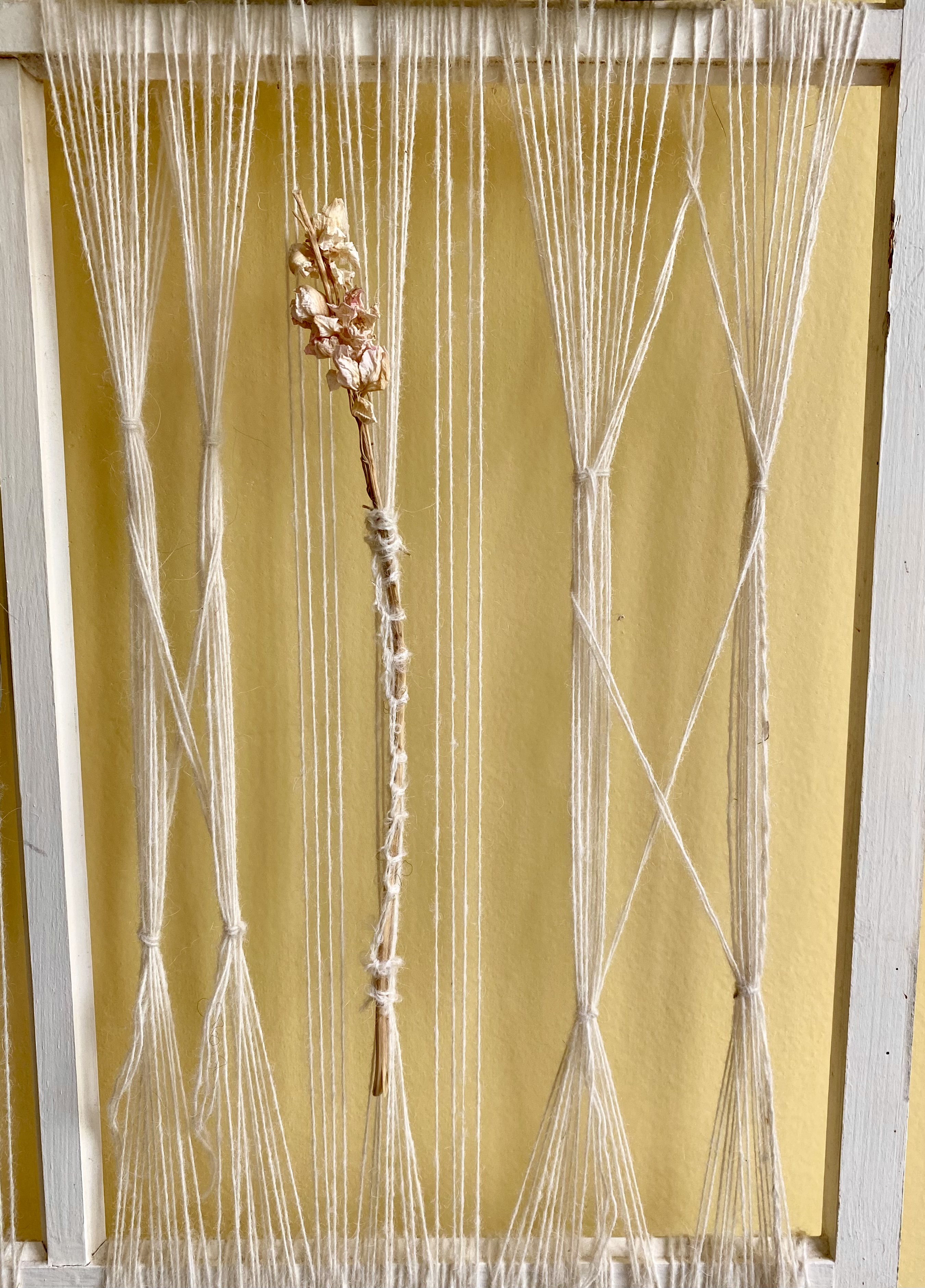
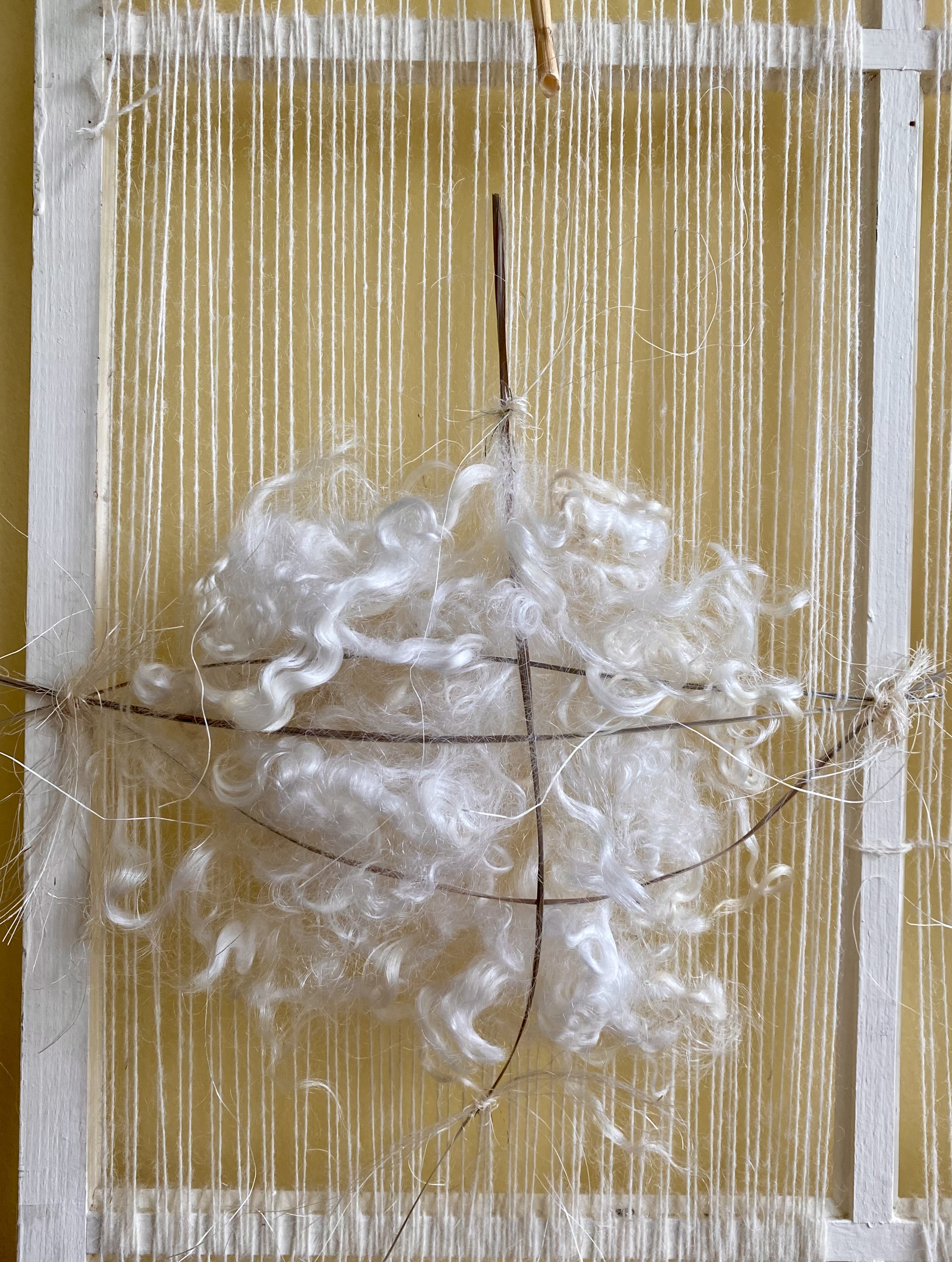
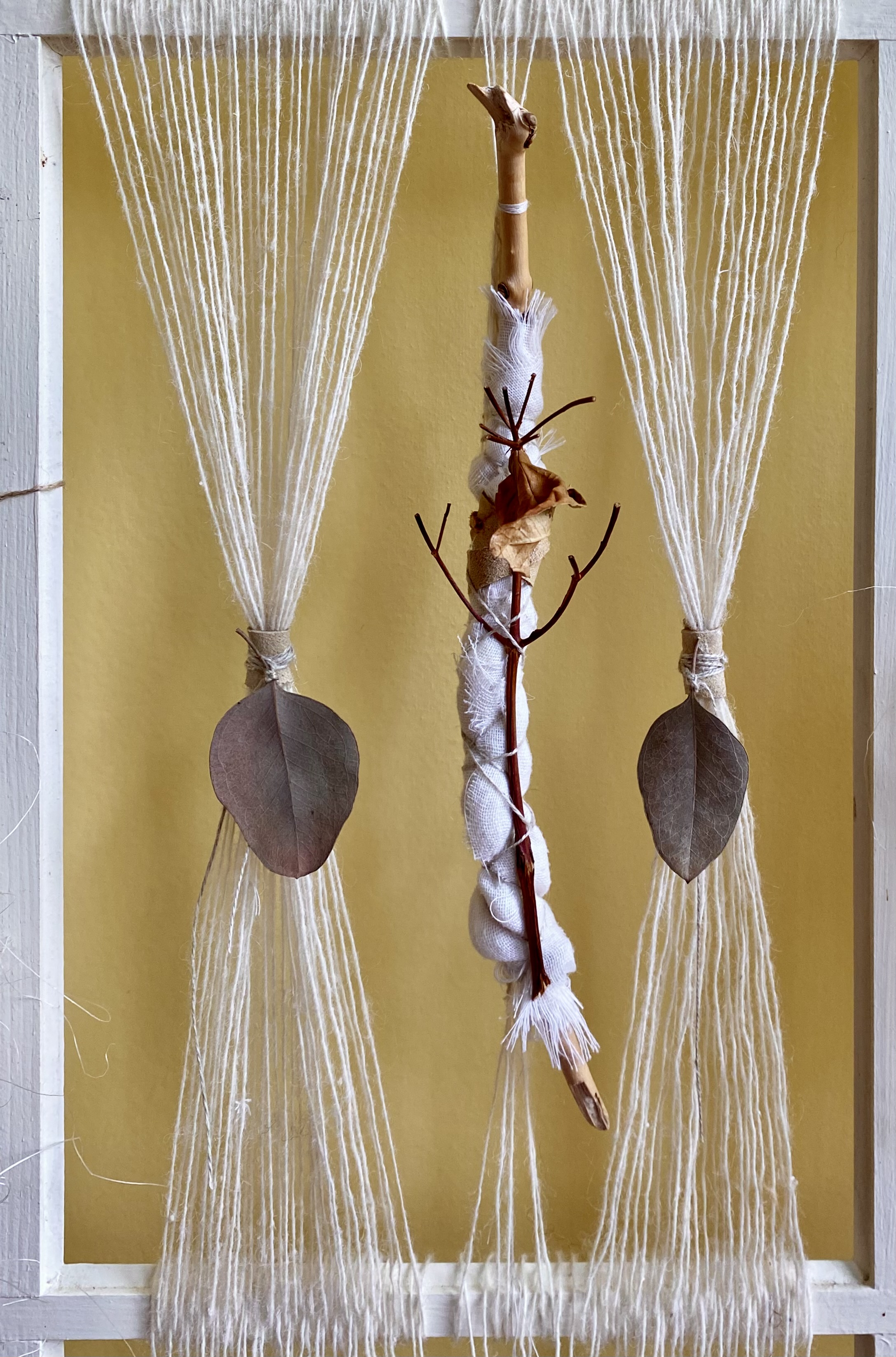
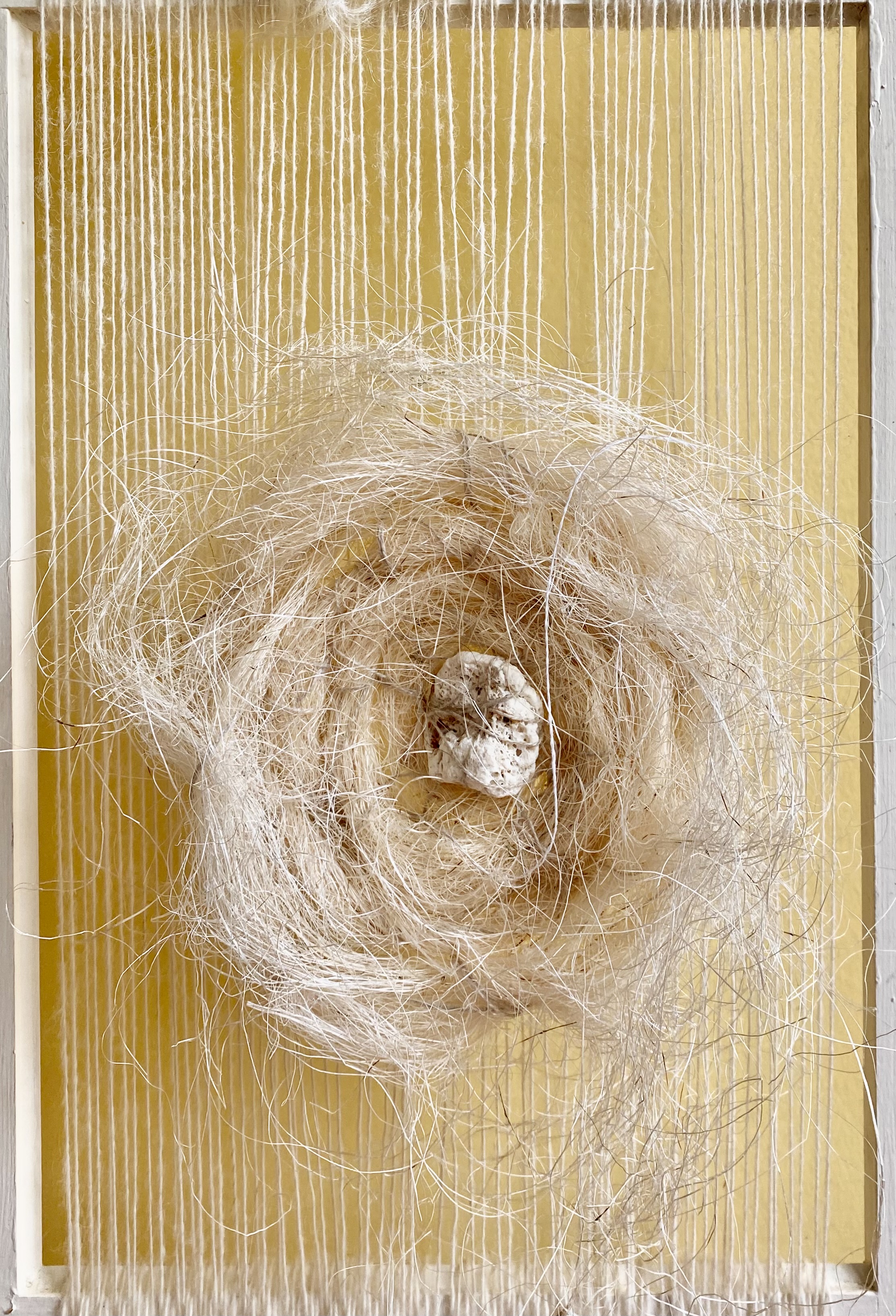
Each pane in this piece is a window into a space containing an idea, a feeling, a symbol, a material. Everything is biologic. In some cases, the material is of plants, in others of animals. In one case, the material is a secretion of the silk worm. Everything will one day biodegrade. Fleeting and beautiful. Strong to a point.
I’m waiting for the right materials to emerge for the last three panes, which will serve as the end of the story…
Until then, a preview…
What do you see? Maybe not the same as me, and that’s okay. It’s how it should be.
Hope you are doing alright, wherever you are. ~ bradie
So here’s the thing. It is so damned hard for me write and post and write and post when the world, politics, social issues and social traumas are so profound. Over and over again, it seemed so important that I just stop and be with what is happening and listen. Listen to the people who are speaking and sharing and telling the truth. Be with reality and look at what is right here, right now. That became my job as a human on the planet, as a parent and friend and family member. It continues to be my job and I am learning and trying to continually listen and show up.
Through these last few months, my hands have touched yarns, threads and fabrics, sometimes to start and finish a project. Sometimes just to experience a texture that brings me out of my head and into my body. Touching linen, wool, an embroidered patch, I either feel potential or potential brought to being by someone else’s hands. I’ve learned new things and am gearing up to learn more. I tried to fashion a weekly fiber arts group online to support the kids I’ve grown to know and care for so deeply, but I found that with kids being online so much for the remote learning switch they all had to make in early spring, they were weary of being online! So was I. It was overwhelming, moving my clinical practice online, helping my kids navigate schooling online, connecting with many people in my family through Zoom meetings. It got to where, if I wasn’t seeing my friends, family, clients or the news, I couldn’t look at one more thing. “No. I don’t want to see anything else on this screen. I can’t take it in. I want to look at the sky. I want to look for the bugs that are eating my plants. The turkey that visits my lawn. The eyes of the people I love.”
I felt and continue to feel like there are thousands of hugs stuck in my elbows. When I see someone I love and I restrain myself from the automatic hug, it actually kind of hurts in a tingly way, like a laugh stuck in my chest, or tears stuck in my throat. I marvel at how much I took those physical connections for granted and how often I must have hugged to have this feel so heartbreaking.
I’ve noticed though, that when I touch yarns and fabrics and create my own things or admire the things others have made, this wonderful thing happens. It’s like a shrinking of time. I recently started to learn how to tablet weave and in the process read a bit about the history of the craft.
That prompted me to make a miniature version of a warp-weighted loom using a bit of a tablet woven band to serve as the top decorative piece and the warp. As I worked on this project, which by the way is wonderful to look at but wobbly as hell, I couldn’t help but feel connected to the old. The really old. I thought about people who wove on warp-weighted looms thousands of years ago and considered the fact that there was evolution, trauma, creativity, fear and love happening then, too. I thought about the threads that run through time that show themselves in their myriad colors and levels of softness, fuzziness, usefulness and beauty. It occurred to me that this will always be the case. People will always be making things that connect them to the past, tie them to the present and hint at the future.
I find this to be soothing on a big scale. A dedicated focus on a tangible task allows me to look down with specificity of attention, and then up and out with a calmer mind. The back and forth accordion-like thinking in, thinking out is making the metabolizing of this time a bit more like the tides.
What do you do to balance your nervous system with the need to stay connected to what is happening right here, right now in time?
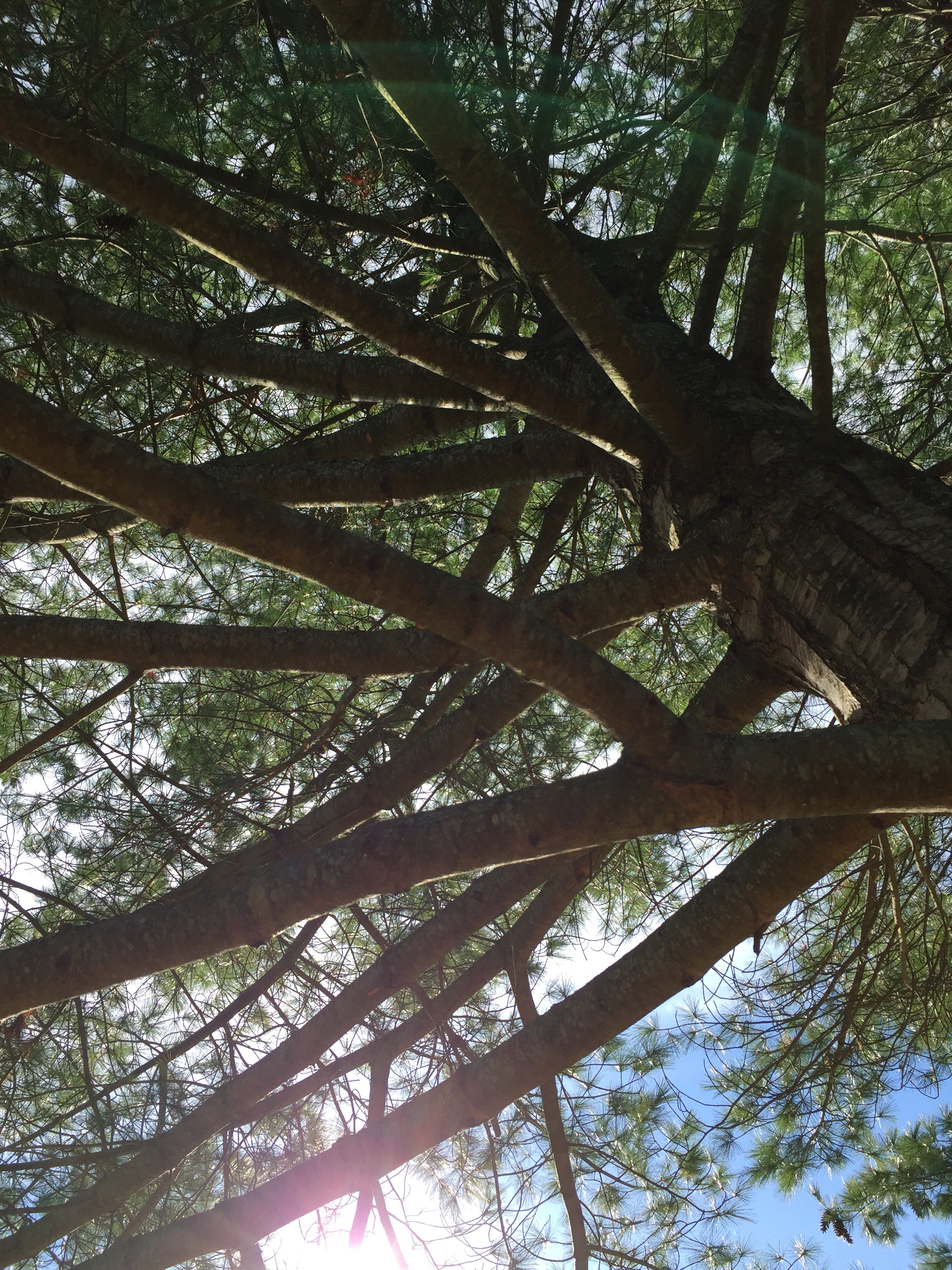
I watched my sister’s dog the other day, while she was out with my littles. A trade. With my furry niece, I sat under a tree. Pitch got stuck on my fingers. I realized I need to sit under trees with my children more.
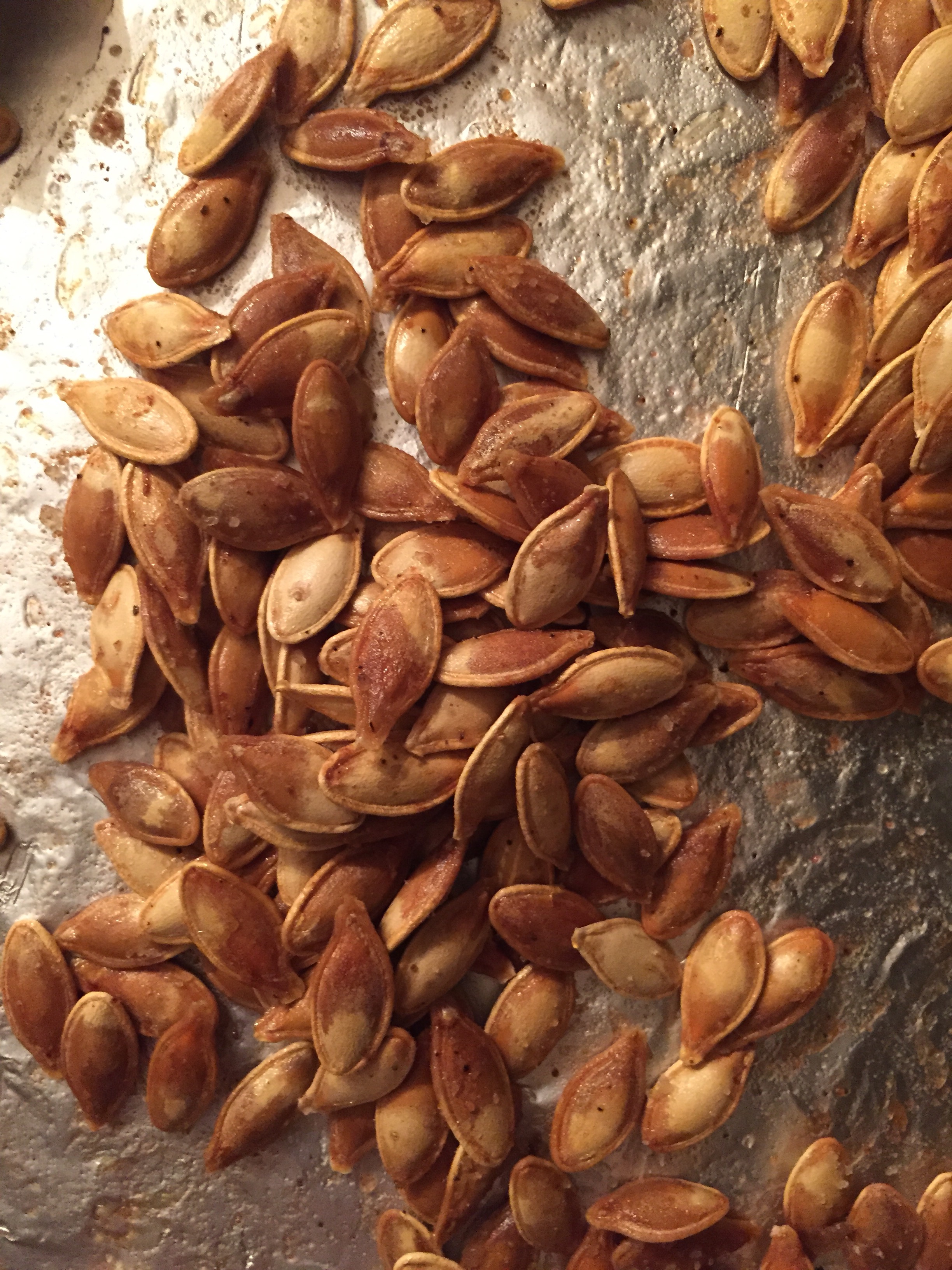
Pumpkins…
And their seeds…
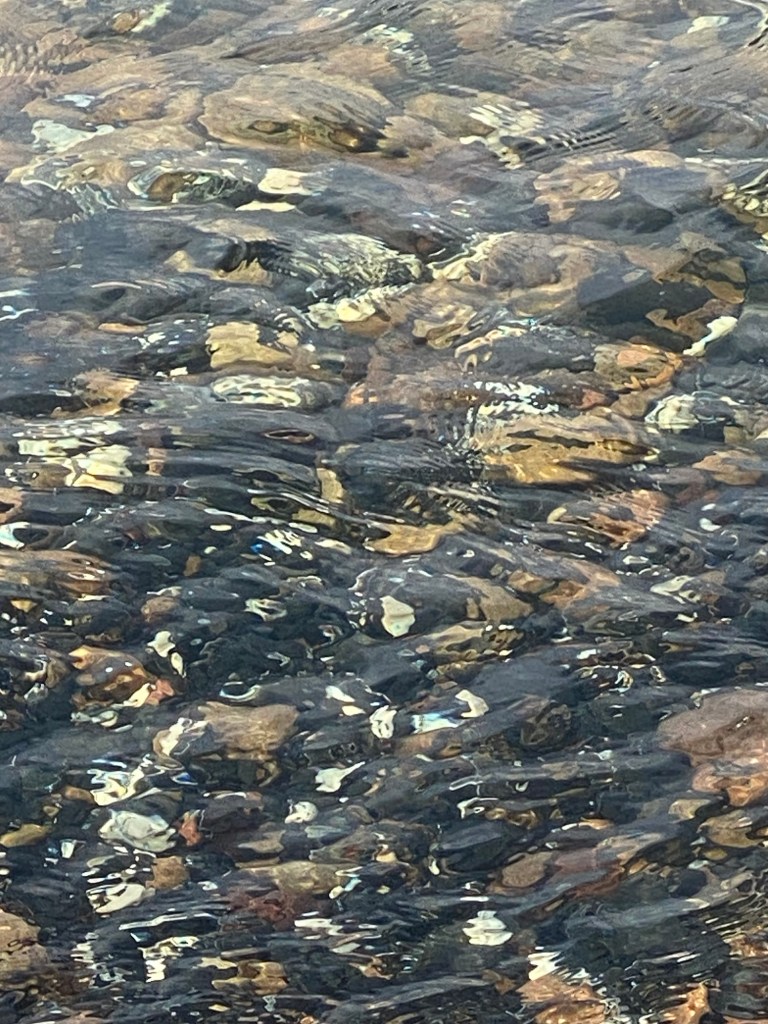
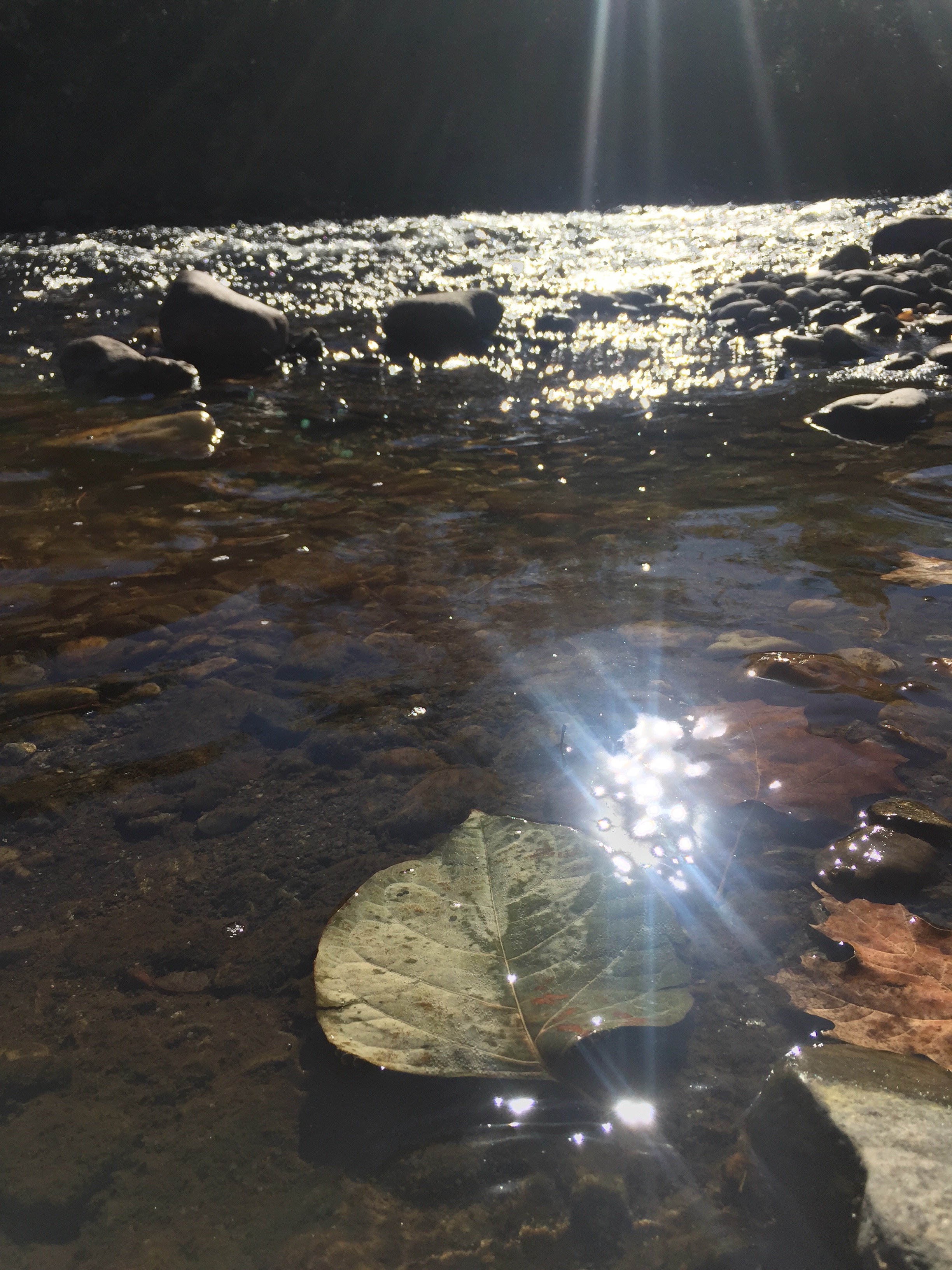
A misty river visit on an afternoon drive. Here, I felt close to many in my family who have passed away. Touching the cold, clear water, I told them all I miss them.
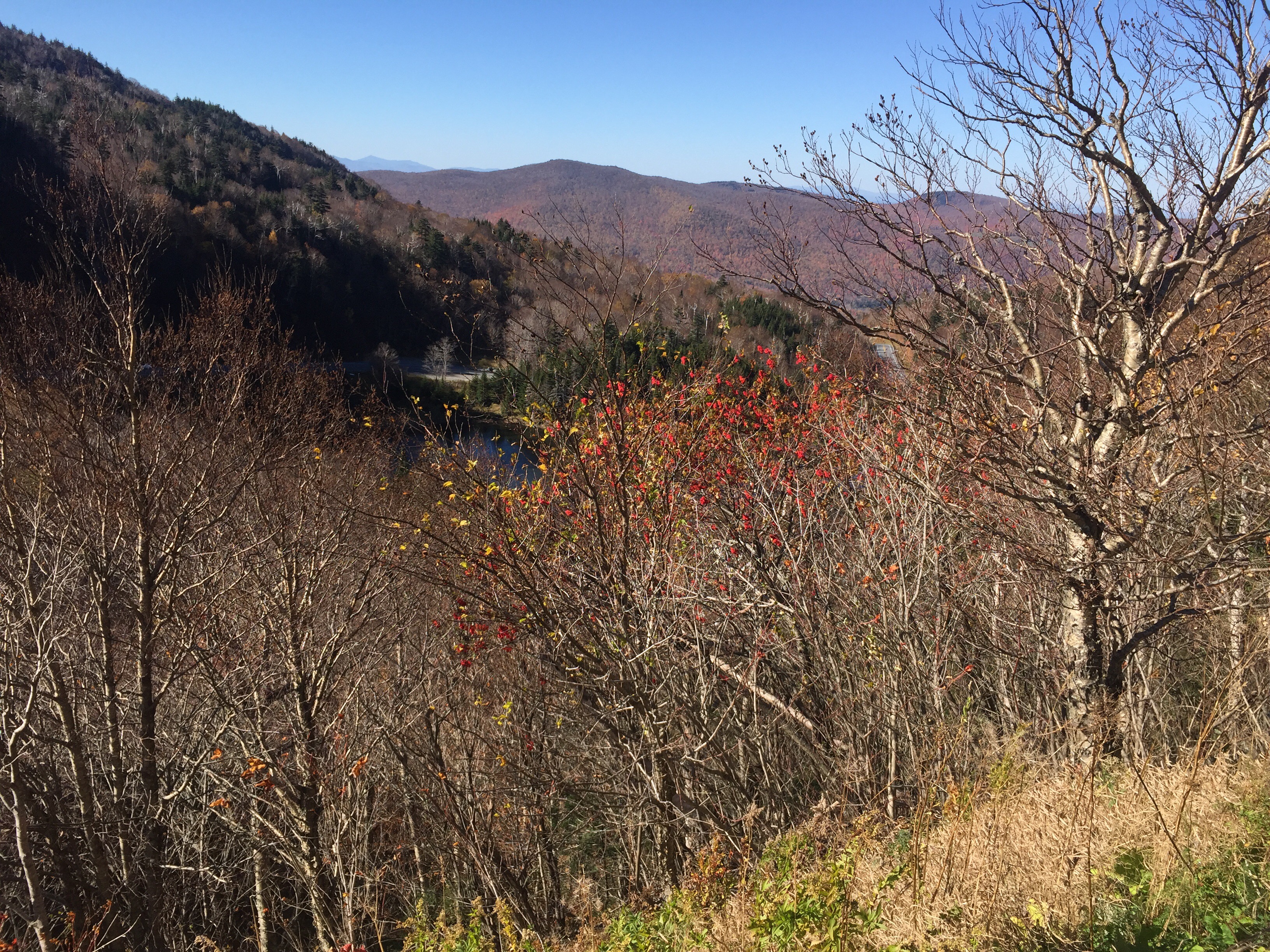
We drove up a mountain. I live in Vermont but I don’t go up very high most of the time. Scared the hell out of me. Not gonna lie.
Wisdom is everywhere. It does pay to go up high every now and then.
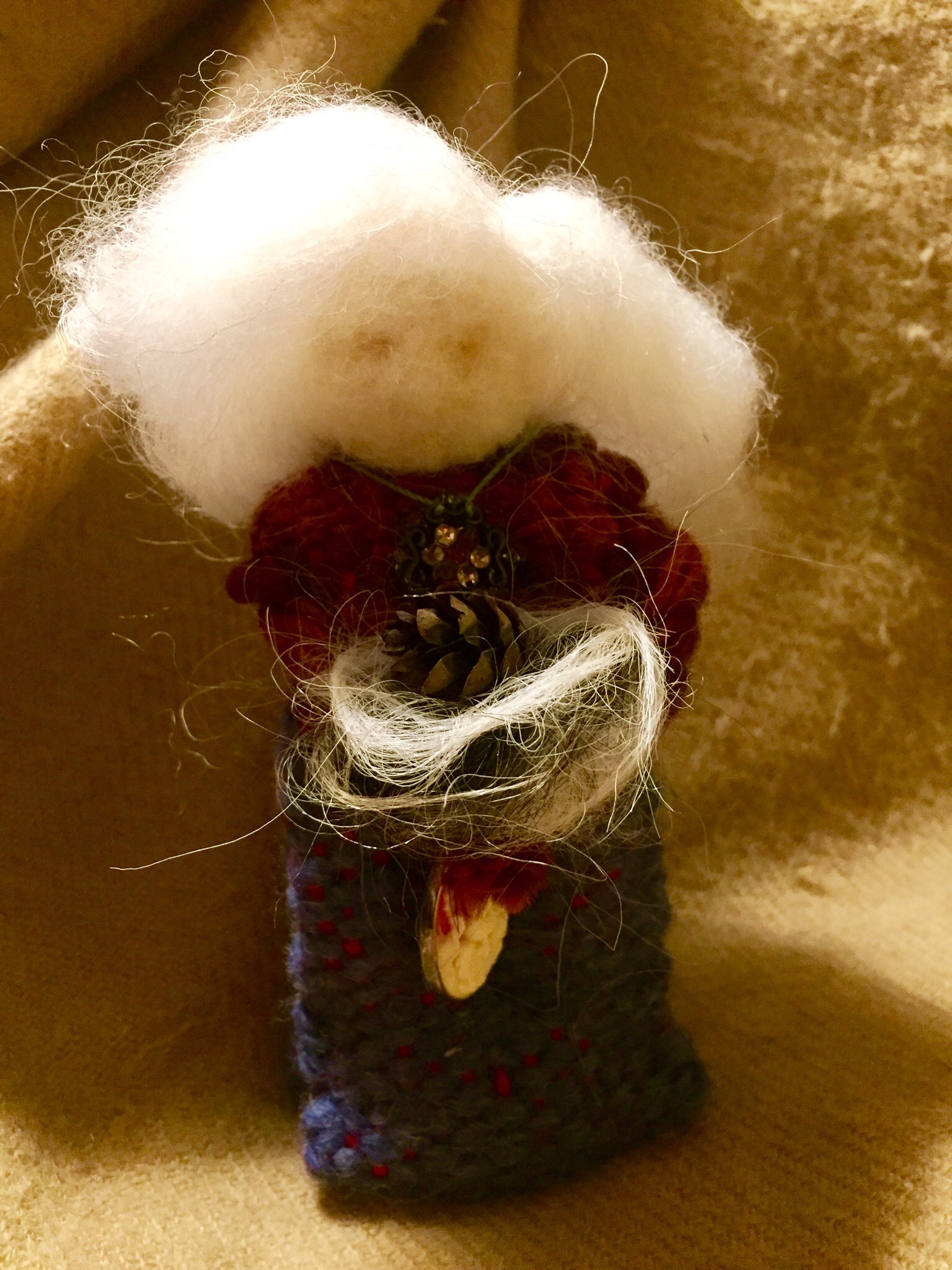
A doll I made. It’s me, when I’m old.
Off to a lecture at UVM, and in between events today I’ll work on finishing the second sleeve of my sweater.
The air was so warm and soft today. The sounds of late summer drifted through windows and around me as I meandered my way through a day filled with puttering, putting away and listening to children play, laugh and negotiate. Not much got done in the way of handwork other than knitting a few more rows onto my sweater. Slow and steady wins the race, I hope?
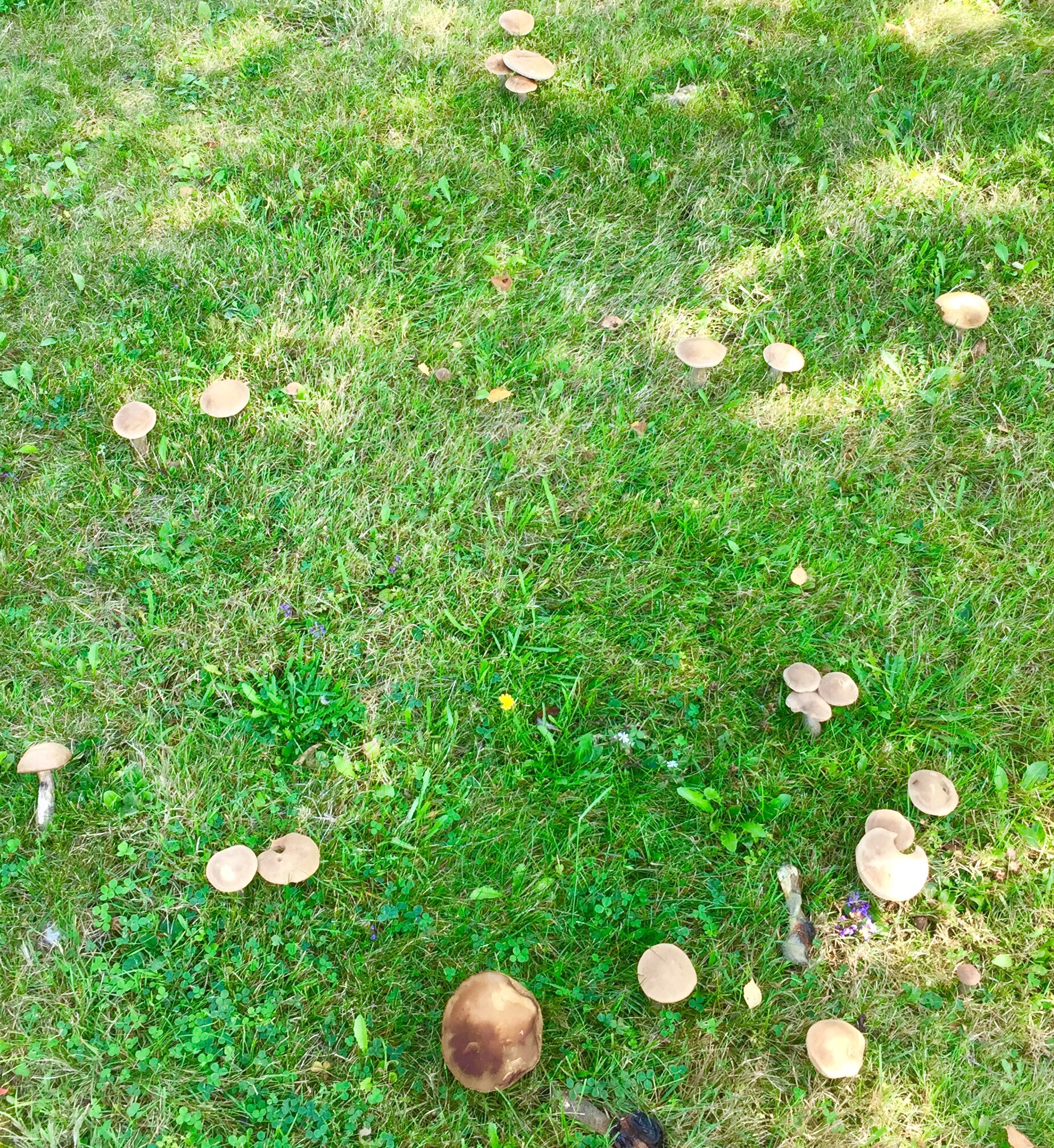
I looked outside as I folded laundry and saw this meeting of mushrooms. How had I not seen them before? Or did they just appear suddenly, a faerie ring?
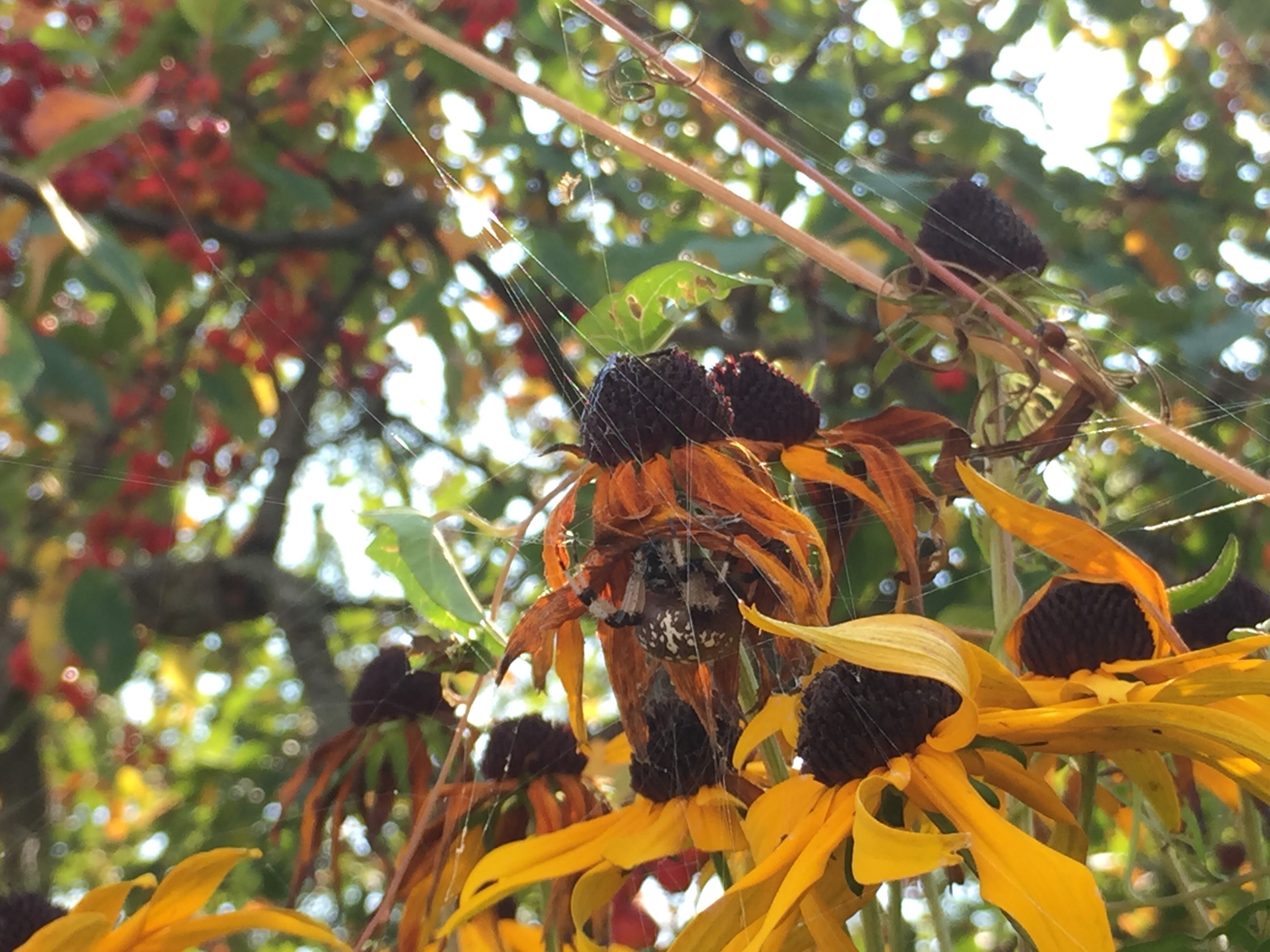
Later, my daughter and her friends showed me this epic spider!
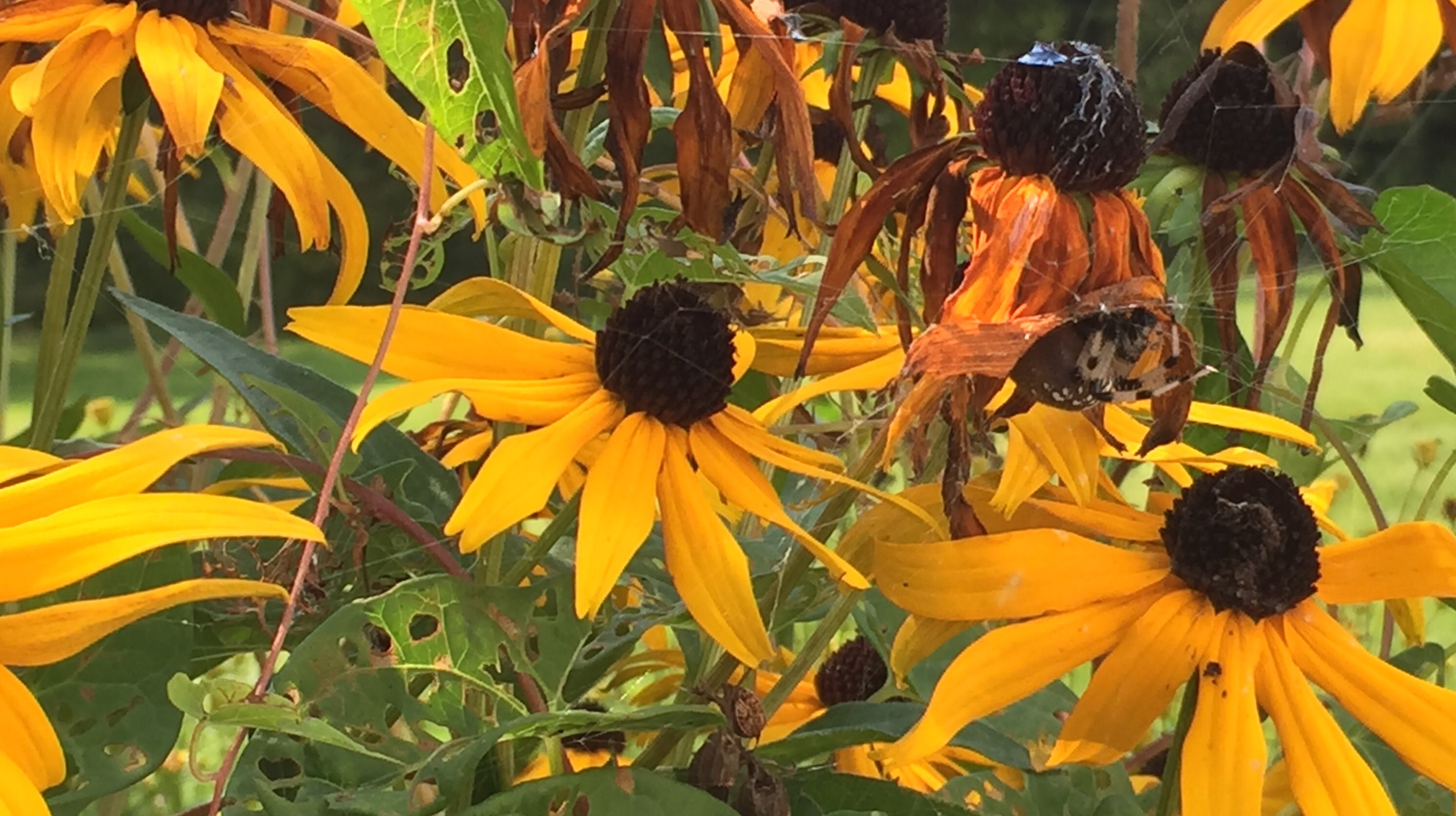
Soon, she had a bee in her web. Gruesome and awe inspiring. Deep respect to Shelob’s kin.
At the start of the weekend a friend had sharp eyes on a mid-afternoon walk. Purple fungus and slithering corn snake offered their colors as inspiration.
All of these moments and more make for a sweet entry into busy work and school week.
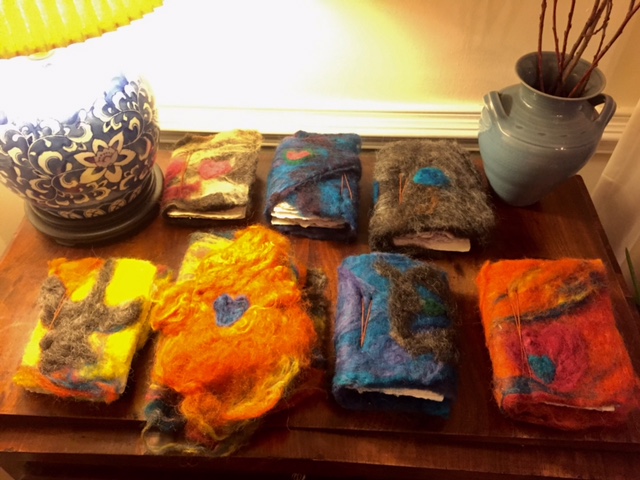
This summer was a time of taking a few risks, including putting my fiber art teaching love out into the universe in a different way. I’ve shared already the camp I offered to do with weaving. You can read about that here. The second camp I offered was all about making a book from scratch. It’s important to me for kids to know and be frequently reminded that they can make stuff, really cool stuff, with found items, recycling and a little ingenuity. Art supplies are expensive, as are art classes, but if you know how to get your hands on materials that are free or inexpensive, you have at your fingertips myriad ways to make art, to be an artists, to add your own beauty to the world. So… I was messing around one day after daydreaming about making a book for collage. My first book was the one pictured below. It’s made with handmade paper, wool that I wet-felted for the cover, a piece of driftwood and cotton thread for stitching together. I’ll show you the camp process, mostly in pictures with a little text, because I think the images speak for themselves. This is the project that inspired the camp.
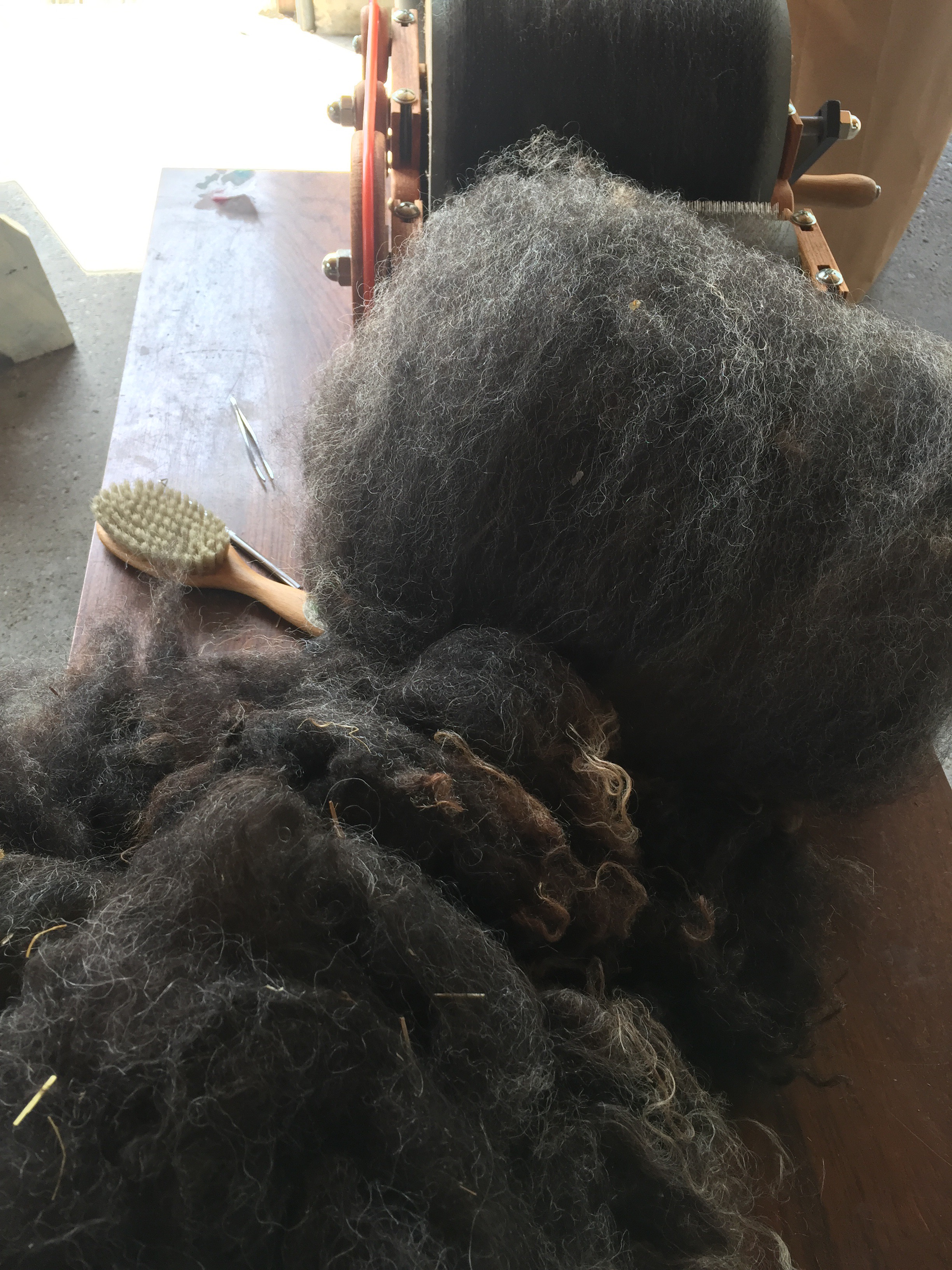
I spent a good deal of time before camp began prepping some materials. Carding Shetland wool…
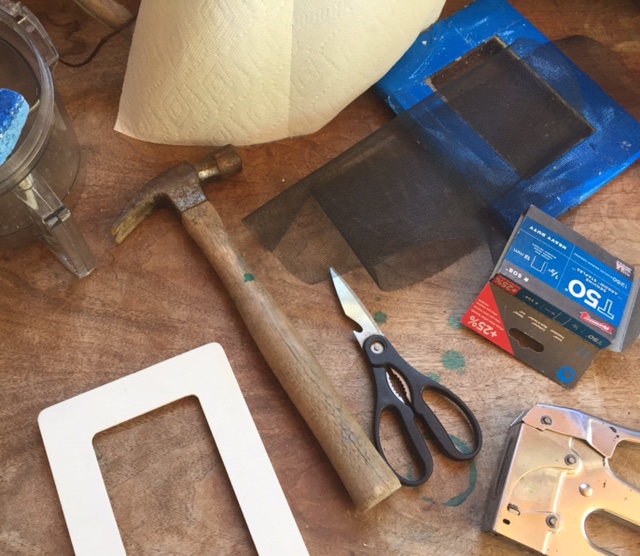
Making frames… a word on that: I found wooden frames at Michael’s craft store for $1 each. These saved the day. I had a number of frames on hand that I found at garage sales but I figured that kids are sometimes interested in making sure everything is even and balanced and fair, so, I decided to ensure that each child had the same size frame.
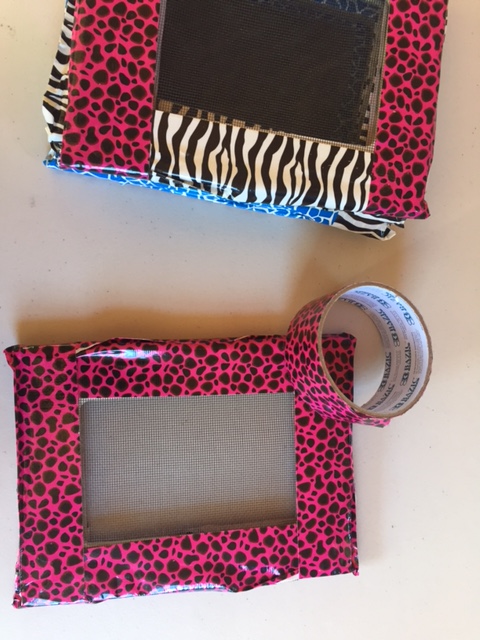
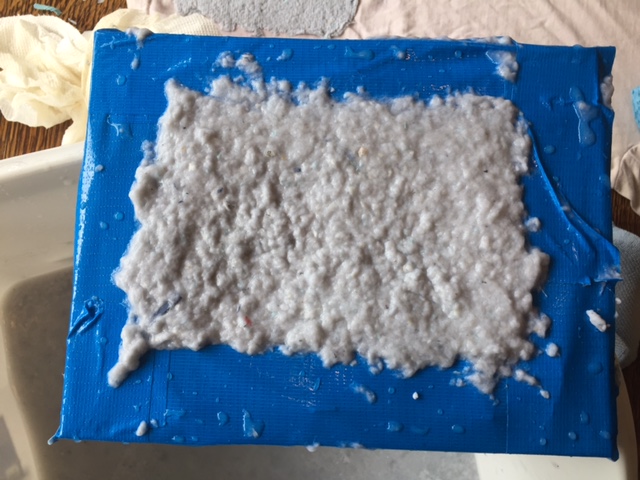
Also, I’ve been trying to find on line the tip I came across for outlining the frames with duct tape. I want to give credit to the blogger that shared that brilliant idea! Doing this makes for much easier removal of the paper once you flip it onto the drying surface. I will always do this now, and if I come across the blogger’s site, I will for sure share it here.
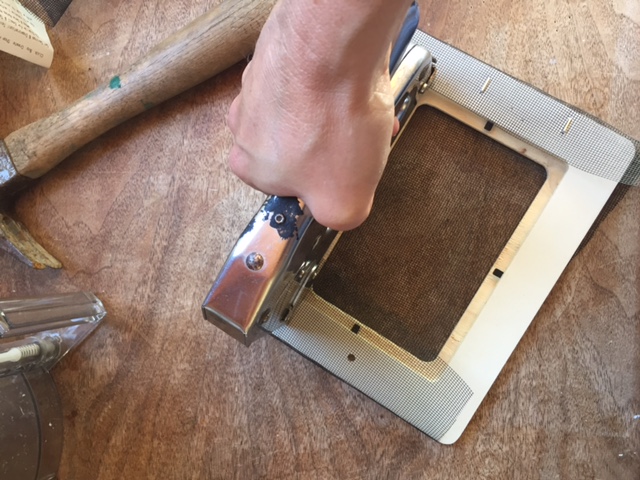
Here’s me stapling the screen onto the frame. I used my mom’s staple gun, which made me think of her. I feel close to her when I’m crafting or creating. You can read about why this is relevant here.
While things go better with kids when things are fair, they go even better than better when kids know which thing is theirs. It’s lucky I had this flashy duct tape on hand. No guess work needed!
Here’s the thing about paper pulp (made in a cuisinart with recycled paper and water; the paper I put through the shredder first)~ not all kids love touching gooey, smushy, splootchy wet stuff. It’s handy knowing this ahead of time so you can have at your finger tips ideas of what steps kids might enjoy doing in the process, like soaking up the water from the underside of the frame/screen with a sponge, stirring the pulpy concoction, adding flower bits, etc., in the even that full-on hand immersion in paper pulp is out of the question.
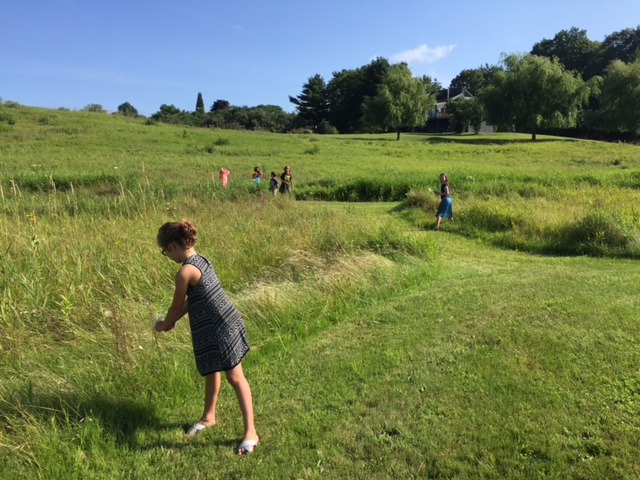
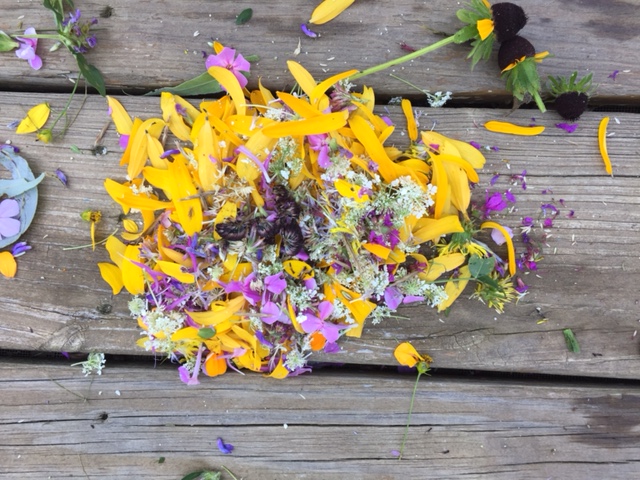
Here’s the kids looking for flowery colorful bits to throw in to our pulp.
If those colors aren’t inspiring, I don’t know what is.
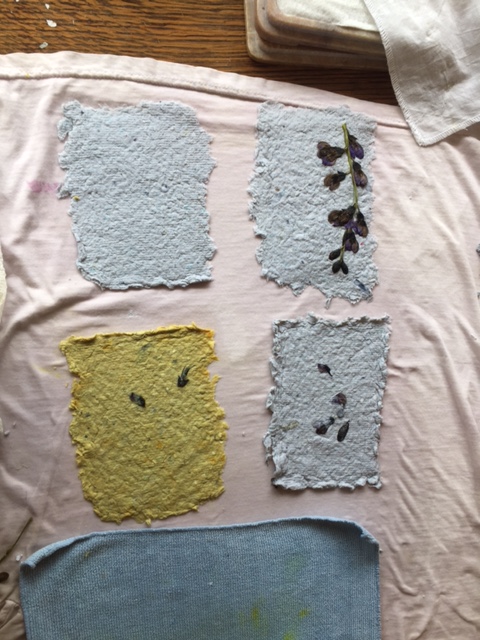
I spent a good amount of time experimenting before camp started…
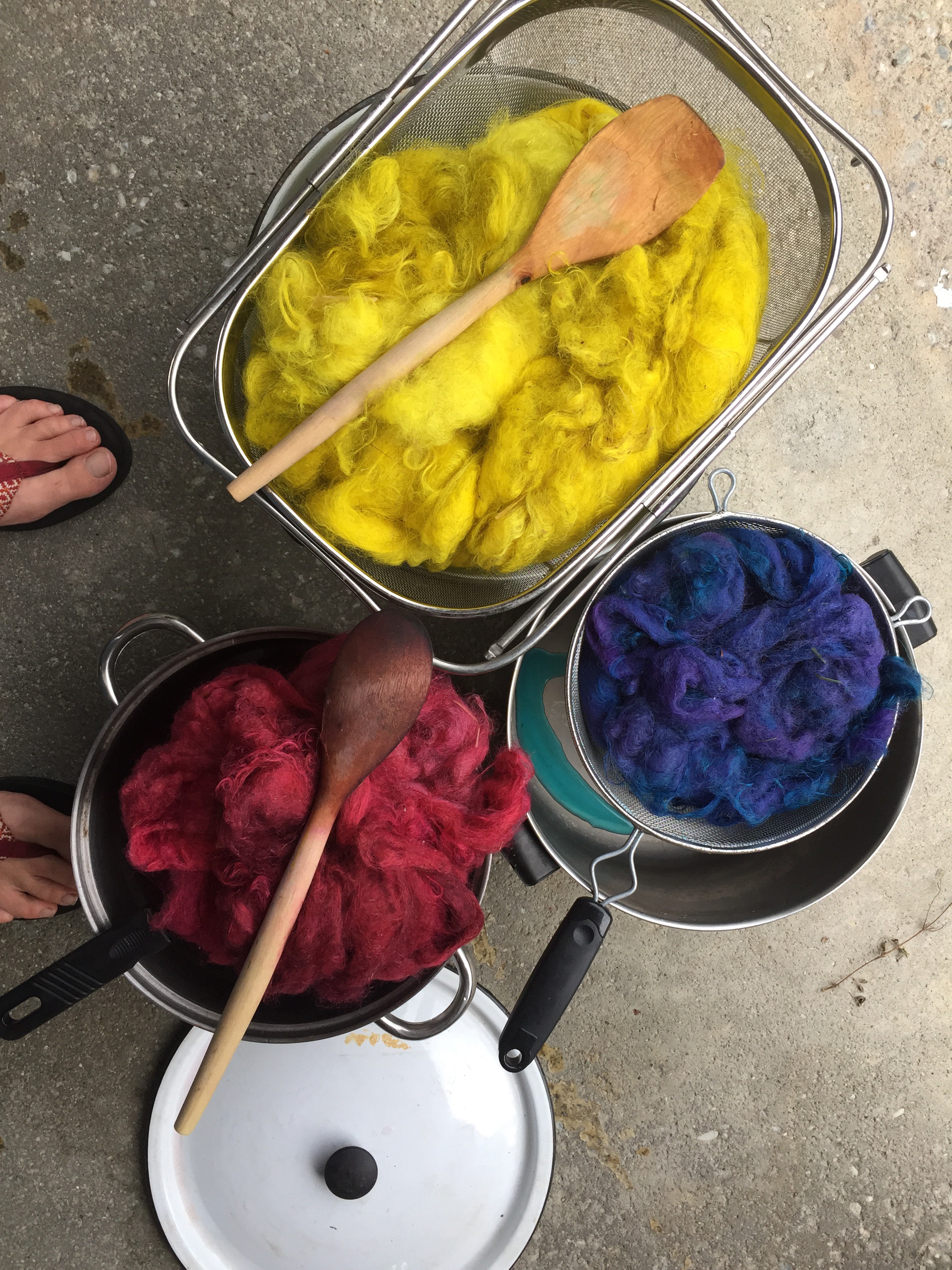
And dyeing wool…
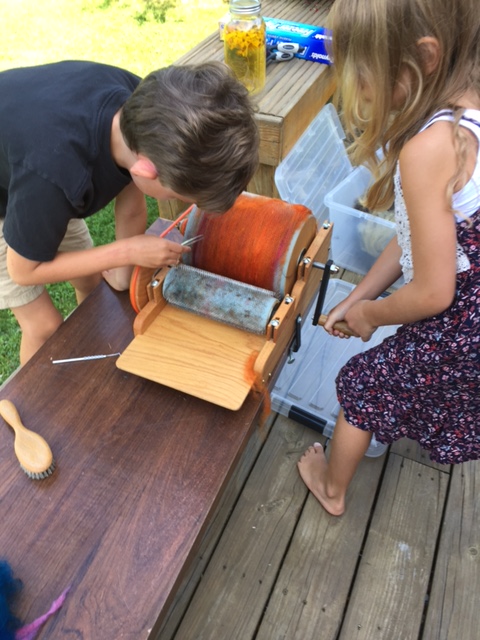
Here’s some kids using a drum carder to prepare wool for felting. This camp included chances to do as many jobs as possible in the time we had. I had the kids pick a lot of the grassy bits out of the wool, fluff it open to prepare for carding, and then card it. There were varying opinions on this. I could sit and pick at wool all day and be fine. I love looking at those tasks as a chance to just chill the heck out and be with my thoughts. Not all kids love that, of course, so some felting was a wee bit chunkier than others, and that’s okay!
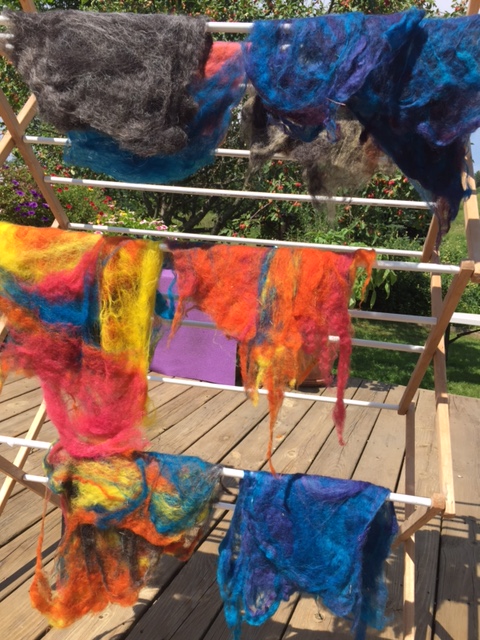
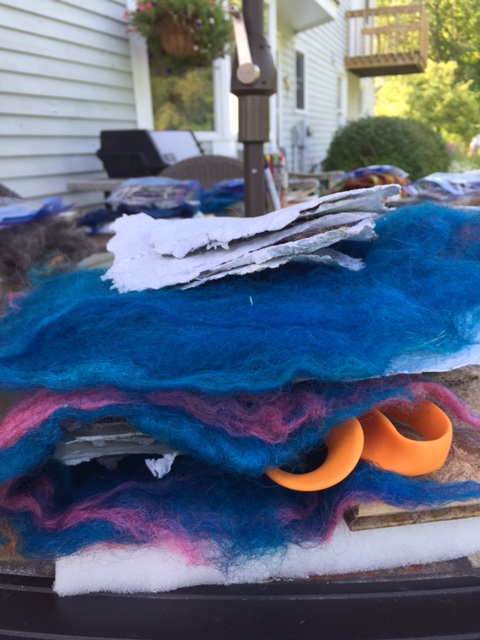
For the wet-felting part, I had the kids arrange the layers of wool they were using to make their book over on a plastic table on top of a sheet of freezer paper. Then, we covered the wool in warm, soapy water, and covered it all again with freezer paper. The paper stayed strong while the kids pressed and rubbed their hands over their wool. Once it was showing signs of felting, they could take off the top layer and use their hands to felt directly. Again, some kids love that textural messy feeling and others don’t. Leaving the freezer paper on for a while longer helped those who preferred keeping their hands free from that specific wet-wool feeling.
Then, once dried, the kids arranged their books as they wanted them, and had a chance to needle felt a design on to their covers. The night before the last day of camp, I sewed the books together. Originally, I’d hoped the campers would do that part, but we ran out of time.
I think these books are all so beautiful. Interspersed between their handmade paper, I included sheets of handmade paper from India that is more amenable to writing. I will keep working on my own paper making skills to see if I can get closer to that quality.
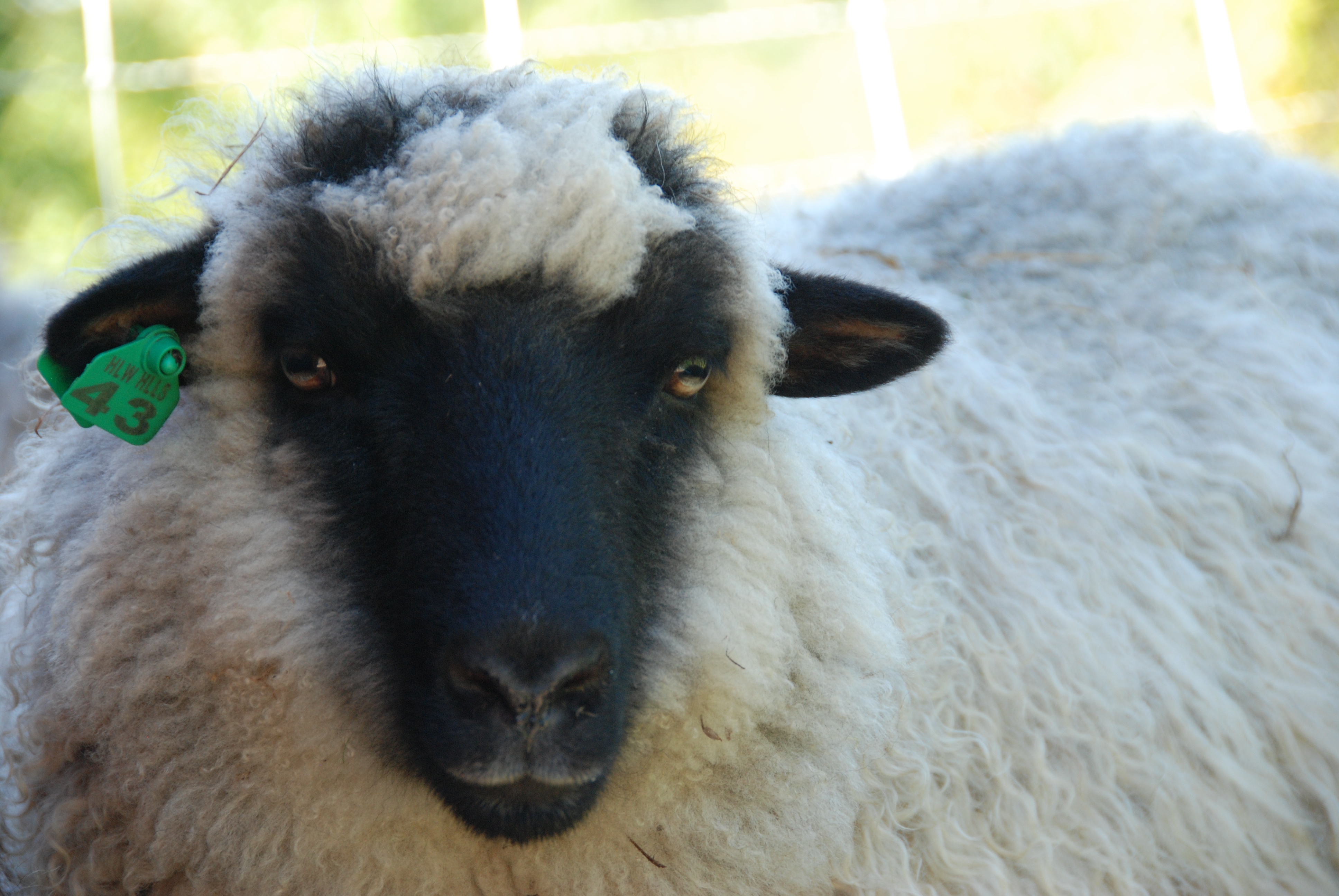
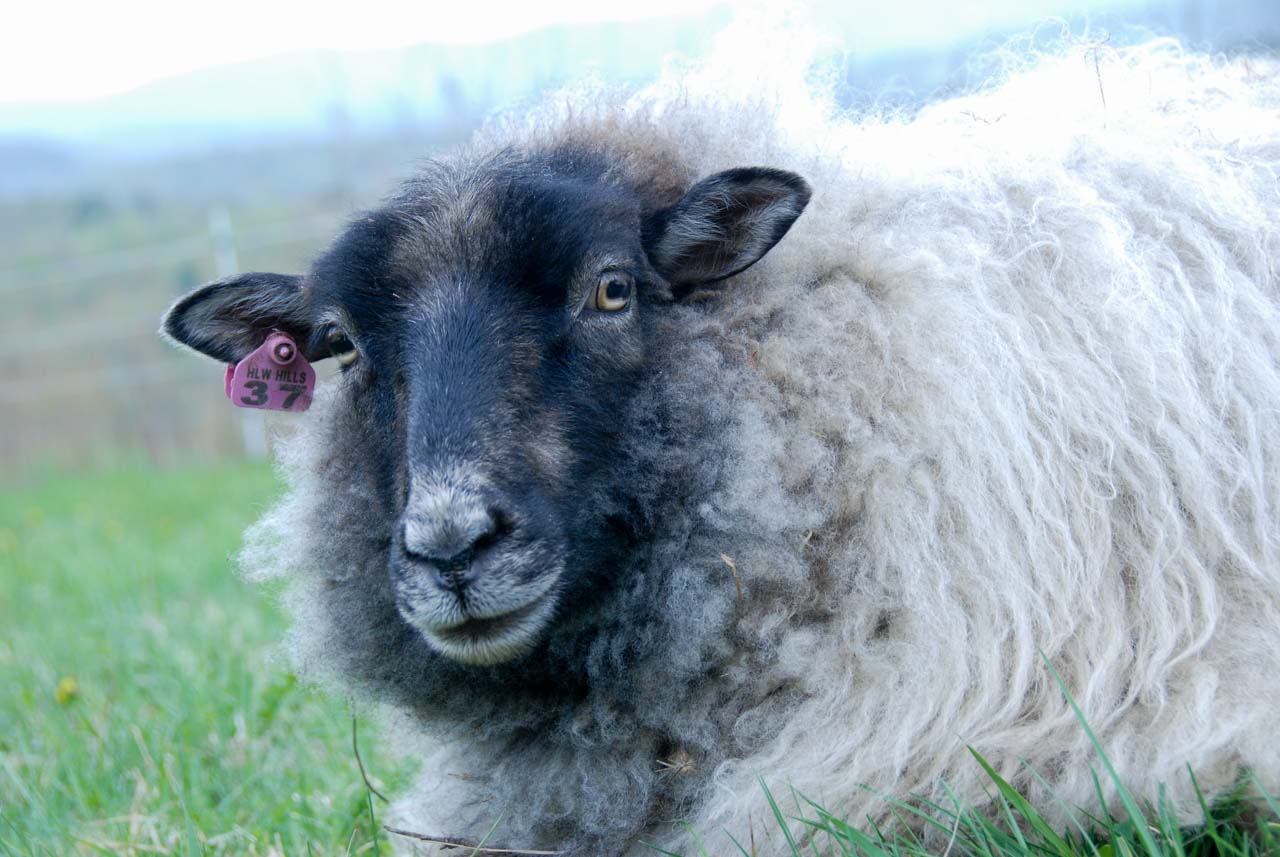
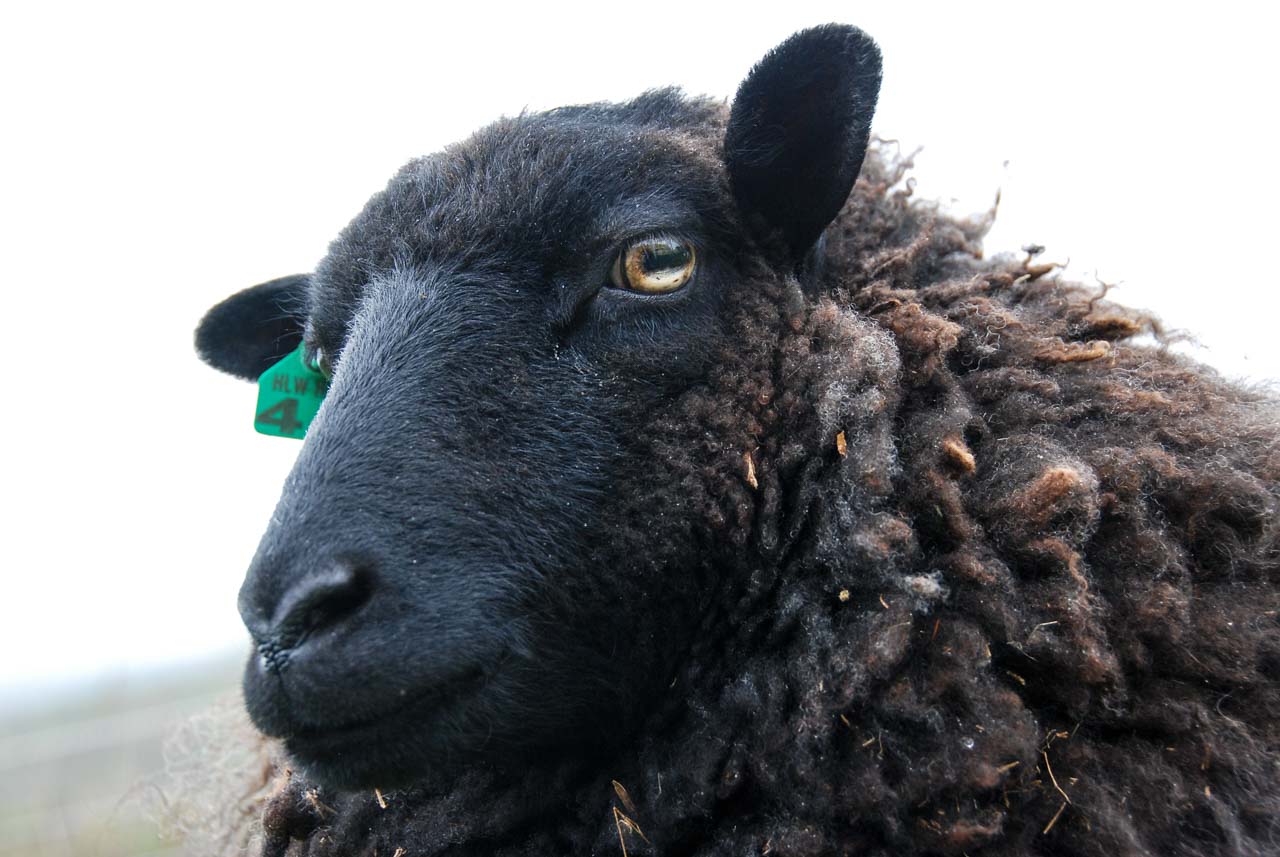
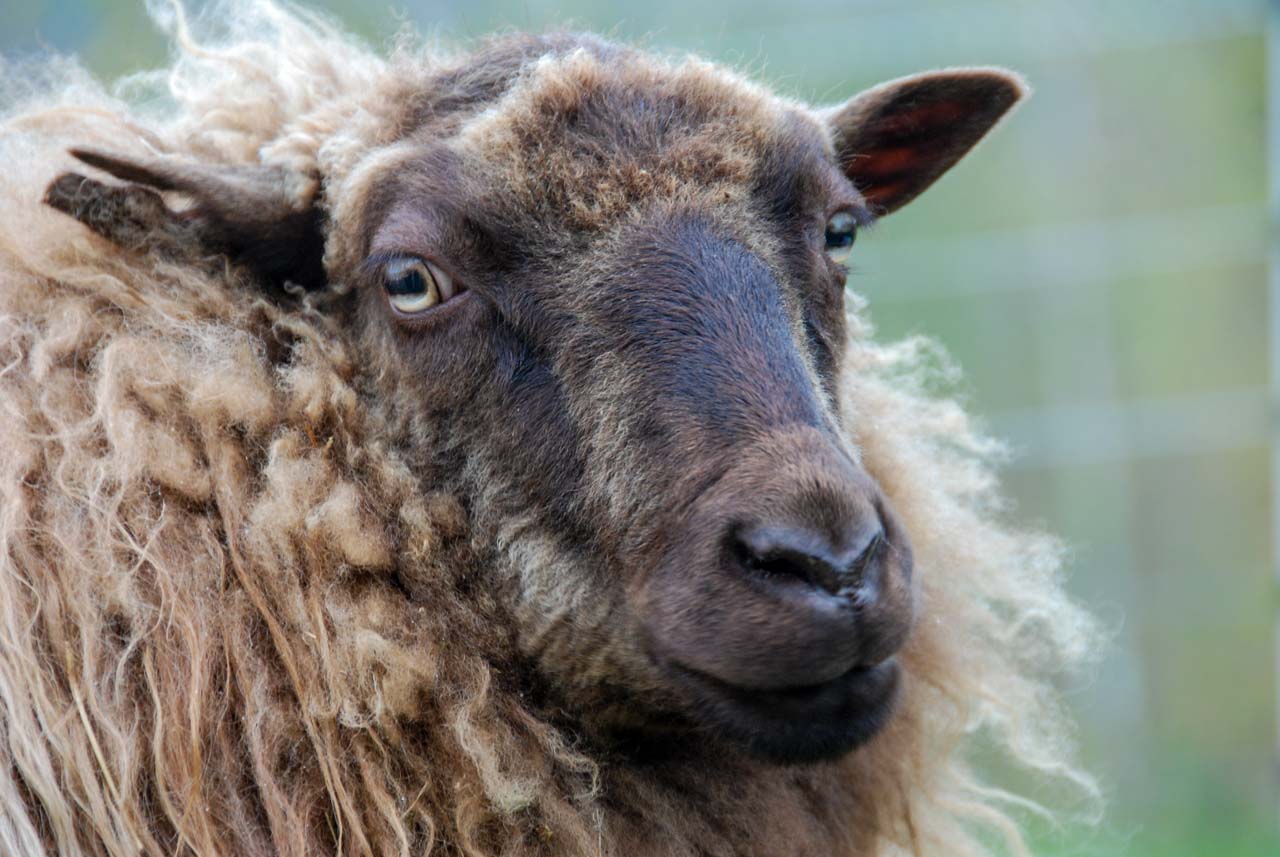
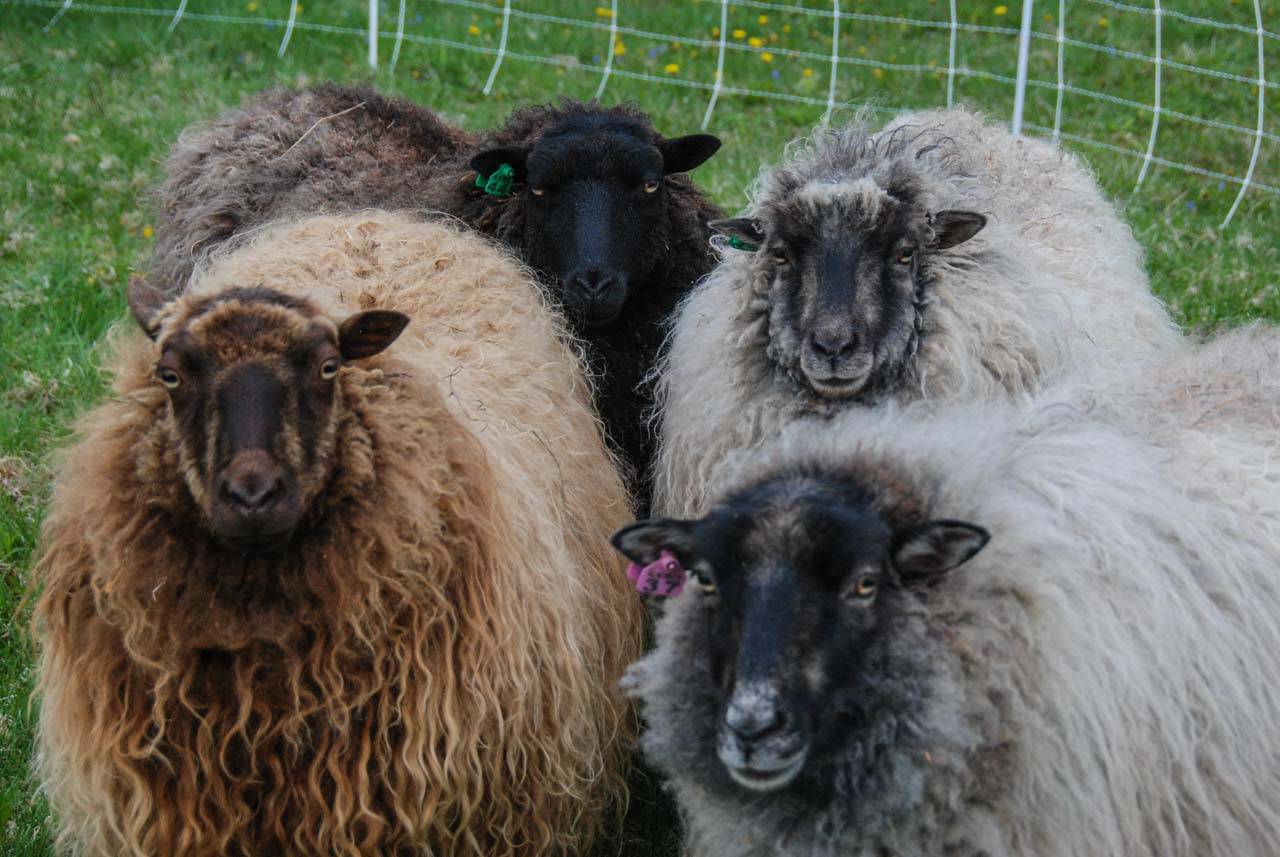
And listen, it’s not right to ignore the behind-the-scenes stars of the show… the sheep! Something I love about being a part of the fiber handcrafting and fiber art community is that I get to meet so many wonderful people. This is the second year that I’ve gotten wool from a wonderful man named Peter Moore, who lovingly cares for his four Shetland sheep. I met Peter because he posted online that he had wool available, and I jumped at the chance. I can say that I would call Peter a friend, now, and I truly don’t know how we would have ever met if not for our mutual love of sheep! Let me introduce his lovely wooly friends:
Meet Dolly…
And Violet,
Phoebe,
And Daisy!
They are all half-sisters and are four years old. Their wool was the centerpiece of this camp (in my opinion), and the kids were champs, learning new skills every day and hopefully leaving with something they were proud of.
I’m sitting at my desk now, listening to the wind blow around the house. The temperatures are cooling and the birds are busy at the feeder. I am looking forward to the cooling down, the bundling up, the quieting of winter. Summer can be a full-on explosion of activity, work and play. It’s the extroverted season. These camps were a beautiful expression of all of that. I wonder what new things I’ll imagine up as I sit in the dark introverted winter. I guess we’ll see next year!